The Sweet Spot (Musically Speaking)

It was a typical Sunday evening in the Scheinin home. There we were, my wife Sandy and I, sitting on the living room couch, twiddling our thumbs in unison and waiting for the tea kettle to come to a boil. I know that this picture sounds bland, but you’d be surprised how strongly it, and many similar moments in my life and Sandy’s life, resonate with a group of media honchos who for now will go unnamed. Let me just say that Sandy and I have been tabbed to star in a reality TV series projected to air beginning in early 2017. It’s tentative title is Action Is Overrated: Flying Low With The Scheinins. Stay tuned to this website for updates.

Earlier in the day, though, I had gone against grain and been an energetic person. In the aftermath of January’s Blizzard Jonas, which had dumped two feet of snow in my suburban Philadelphia region the previous day, I had spent three hours shoveling. Incredibly, my back hadn’t stiffened like a log. In fact it felt pretty good as, the kettle finally having tooted,  Sandy and I settled back with our cuppas and I started paying attention to the tunes emanating from the radio. On most Sunday nights we flip between three stations which, at those hours, keep things on the non-bombastic side. We didn’t feel the need to scramble our brains with punk rock or heavy funk or avant garde jazz. Not that I would have minded, to tell you the truth, but I wasn’t in the mood to provoke divorce proceedings.
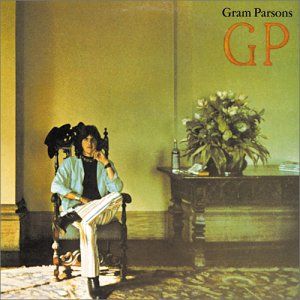
Gram Parsons
Gram Parsons

And at around 8 PM something wonderful happened. WPRB, Princeton University’s eclectic-minded station, played a song that changed my tunings. The song not only caught my attention, it caused me to melt and then to float. I liked that. “Oh wow,” I said to myself. “I wouldn’t mind a joint right now.” But those really high days are so far behind me I’d need Daniel Boone to help me find the trail leading back to them. Instead, I settled for present-day reality. Closing my eyes I began to vibrate in a most splendid way. I followed the music as it traveled, gently swirling in and around the sounds. Gram Parsons’ countrified version of The Streets Of Baltimore (click here to listen) had gone straight to my sweet spot.

Sweet spot? I’m definitely at a loss to say exactly what this is. In nearly 60 years as a music imbiber I hadn’t given it much thought till Gram came on the radio the other night, although I’d been its beneficiary thousands of times before. I suppose that my sweet spot is a magical kind of place whose gatekeepers, when awakened by just-right combinations of tones and rhythms, send me on a calm yet mysteriously exciting journey. It’s all very cool.

But you know, music can bypass my sweet spot and still make me feel great. For instance, there’s nothing better than straight-ahead Stonesy rock when pumping up my internal volume is a priority. And Sinatra singing I’m A Fool To Want You or some other such brooding song is my ticket to a deep and contemplative experience. At times though, such as on the post-Jonas night, I realize that I want nothing more than allowing my sweet spot to be opened. Stringed instruments often, yet hardly always, hold the key.

The Waterboys
The Waterboys

Soon after WPRB’s disc jockey spun The Streets Of Baltimore he threw another transporter at me, and it got to me even more than the Parsons number. It was Fisherman’s Blues (click here to listen), a Celtic-rocker by The Waterboys. The Streets Of Baltimore’s gorgeous pedal steel guitar and fiddle lines, trancelike clip-clop beat and Gram’s quietly potent singing had sent me to the upper atmosphere. Fisherman’s mandolin and fiddle work took me even higher. Man, those two instruments intertwined like perfect friends, hard and steady drumming allowing them to soar. And Mike Scott’s gruff vocals and exuberant whoops?  Spine-tingling.
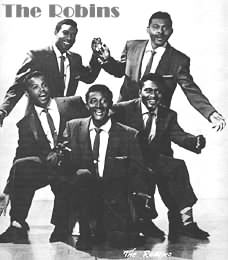
The Robins
The Robins

After Fisherman’s Blues ended I wanted another sweet ride. Turning thumbs-down on the next few songs that WPRB aired, I flipped over to University of Pennsylvania’s WXPN, but came up empty there too. Another channel switch brought me to the low wattage operation based a few miles from where I live, the all-volunteer WRDV. I’m crazy about this station. Five or so years ago it reignited my love for R&B, soul and doo wop. And minutes after I tuned in on that recent Sunday night they played a song that took me away: My Heart’s The Biggest Fool, recorded and released in early 1953 by The Robins, a pretty popular R&B vocal group during that era. I tip my hat to WRDV for knowing about this obscurity. I’d never heard of the song before (click here to listen). As it played I went with the flow and swam for the third time that evening through the ethers. Simple instrumentation, vocals that swell and bubble majestically, understated electric guitar work that subtly pushes things along. Magnificent.

Sweet spots. We’re lucky we have ’em.

(If you enjoyed this article, don’t be shy about sharing it. Sharing buttons are below)

Anomalisa: A Review Of An Oddball Movie

My well-worn Fruit Of The Loom crew socks always are knocked off when I think about the number of really creative people sharing space with me and the rest of the less-gifted on Planet Earth. And I think about this fairly often. I mean, worthy musicians and visual artists and novelists and comedians and you-name-it form an eye-popping total. Part of that is due to the insane volume of humans (over seven billion) inhabiting our orb. Still, body count aside, I’m pretty certain that the percentage of seriously creative humans today is higher than ever before in our species’ long and unsettling history.

Anomalisa1 IMG_0157
That inspiring notion was trotting through my mind last weekend as I watched a most unusual movie, Anomalisa. As the final credits rolled I wasn’t certain exactly how much I liked the movie, but I sure as shootin’ was immensely impressed by its meticulous construction and idiosyncratic pilings, by its very existence to tell you the truth. Who the heck except those with non-standard orientations would decide to have the story of a depressed and lonely man represented on screen by stop-motion puppets instead of by humans? And be able to pull it off? Well, it happened, and Anomalisa, quirky and profound, was the result. And yet, the credits still rolling, I remembered the words of my excellent friend Dave last year in the lobby of the movie theater where we had just watched Clouds Of Sils Maria. “This one’s not for everyone,” he wisely had observed. I would say the same for Anomalisa.

Last year I bravely composed a review of Clouds Of Sils Maria, fully admitting that my teensy level of brain power had penetrated only a fraction of Clouds’ wonders (read it by clicking here). I found Anomalisa far more comprehensible than Clouds. Here’s the set-up: Michael Stone, a celebrated self-help book author, flies from his home in Los Angeles to Cincinnati, where he is to address, with words of wisdom, a convention of customer service workers gathered there from around the USA. His job is to instruct the tribe how to become more productive, how to relate better with customers. Michael has a problem though. A really big problem. He, a guru to many, is desperately in need of help, and he knows it. Life has lost its meaning to him. Everyone, everything seems homogenized and bland, boringly repetitive and predictable. He is irritable and teetering on the edge. Things have gotten so bad in Michaelville, he can’t differentiate anyone’s voice. Male or female, all voices sound the same to him. And yet he plods on, a drink and/or a smoke never far from his hands.

In his hotel, the day before his scheduled speech, Michael meets Lisa, a sweet youngish lady with no special talents. Lisa, a customer service rep, has driven to Cincinnati to attend the convention. Michael immediately takes to her. Why? Miraculously, her voice is the one and only in the world that is distinctive to him. And thus he considers her to be unique, an anomaly. And possibly his salvation. He pet-names her Anomalisa: Anomaly + Lisa = Anomalisa.

If you end up seeing the movie you’ll thank me for what I’m about to do now, for here is where, for the most part, I will stop giving details about the storyline. But don’t hang up yet. There are a few things that I can’t hold back. Let’s start with sex. Hey, it might be limited to one scene, but man, it’s raunchy. Pretty weird seeing puppets going at it with gusto. Maybe kind of creepy too, though in an intriguing sort of way. And definitely not something you come across every day.

And I dare not overlook the larger implications of Michael Stone’s circumstances, or my credentials as a pseudocritic might be withdrawn. Charlie Kaufman, the writer of a few out-there movies (Being John Malkovich; Eternal Sunshine Of The Spotless Mind) authored Anomalisa. Not that I’ve discussed Anomalisa with him (C’mon, Charlie, take my calls. I’m harmless), but I think that Charlie is commenting on what he sees as the modern world’s dehumanizing nature, the result of which is a fair number of people who don’t know themselves and don’t know what to do about that. Michael Stone, for example.

When doing my spotty research into Anomalisa I found an article that went into the movie’s genesis. For me, Anomalisa’s puppetry by far is its most head-turning aspect. Turns out, though, that Charlie Kaufman, for all his unusual takes on life, didn’t birth the puppet idea. Kaufman originally had written Anomalisa for the stage, where it ran in Los Angeles in a very limited engagement about 10 years ago. Dino Stamatopoulos, a writer/producer/actor and a pal of Charlie’s, saw the play and concluded that it would translate handsomely to the silver screen. With puppets. I’m guessing that Dino often doesn’t drive on the proper side of the road. Kaufman, at first resistant, eventually agreed to the splendid suggestion. Charlie ended up directing the flick with stop-motion animation virtuoso Duke Johnson.

Anomalisa was a labor of love. The puppets, the sets, were beautifully fashioned and filmed. As far as I can gather, nearly everything we see on screen was hand-made. Whew! I can’t imagine how many hours of puppet-molding and fabric-stitching and carpentry went into Anomalisa. Gazillions. Not to mention the time needed to move the puppets’ bodies incrementally and film each new position to present the illusion of movement. The work paid off. The puppets had me believing in their human personas, and the sets are realistic, subdued and glowing in an Edward Hopper-like way.

Anomalisa2 IMG_1242
How much, then, did I enjoy Anomalisa?  I saw the movie in Philadelphia with my wife Sandy and our wonderful friends Cindy and Gene. They all might have liked Anomalisa a little more than I did. I thought it was good but not great, primarily because the plot dragged here and there. On purpose, for sure, because life’s ordinariness is part, but hardly all, of Anomalisa’s stew. Has any other movie presented mundanity with such unnerving precision, though? I doubt it.


Aomalisa is odd, a curiosity with a strong human face. And it’s just up some folks’ alleys. Cindy used the word compelling to describe Anomalisa, and I don’t disagree. To those willing to take a plunge I say “go for it.”

(If you enjoyed this article, don’t be shy about sharing it. Sharing buttons are below)

(Photos by Sandra Cherrey Scheinin. If you click on a photo, a larger image will open)

Maybe

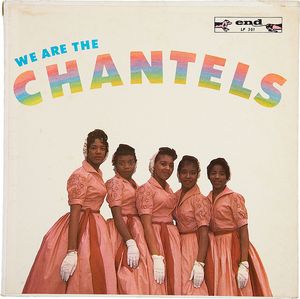
The other day on the car radio I heard an oldie, from 1957, that I’ve always loved: Maybe, by The Chantels. I hadn’t heard it in so long, though, that I’d almost forgotten about it. Despite all of that elapsed time I immediately was hooked and cooked when Arlene Smith, the group’s lead singer, belted out the three descending notes that frame the song’s first word. “May-ay-be,” she cried.

Chantels R-2663898-1328955247_jpeg
Maybe is a direct and uncomplicated affair, driven by Smith’s heaven-and-earth-moving singing and by soulful piano chords. And its lyrics tell its tale very well, a tale that is fully revealed when, as you are meant to, you read between the lines. A girl knows that she and her boyfriend have reached the end. That there isn’t a whisker of a chance that they’ll get back together. That the day will come when she accepts her fate and moves on. But till then, to ease the pain, wishing and hoping can’t hurt.

Maybe if I pray every night/You’ll come back to me/And maybe if I cry every day/You’ll come back to stay/Oh maybe

Man, what a song. Sing it, Arlene, sing it.

The Chantels’ greatest hit stayed in my head for awhile, triggering a handful of brain cells to fire in a meandering pattern. And consequently I began thinking about how I might turn Maybe into an article for my blog. I mean, there have been worse ideas, haven’t there? And I’m always kind of desperate for subject matter, aren’t I? Well, maybe desperate is too strong a term. On the other hand, maybe it isn’t. Oh wow, there’s that word again. Twice.

Onward I marched to Google, where I poked around to see if there were other songs titled Maybe. Expecting none, I came across 23, and undoubtedly there are any number that I didn’t discover. Kelly Clarkson, K D Lang, Ingrid Michaelson and Split Enz, for instance, each recorded a Maybe that, like The Chantels’ Maybe, is about affairs of the heart. Deciding to pursue that avenue I examined the lyrics of those tunes and shrugged. They were OK but lacked the elemental power of the words to the Maybe that I know and adore. The Chantels’ Maybe, by the way, has a seemingly impossible-to-discover authorship. It is credited to the late Richard Barrett, a musician and music producer who helped The Chantels land a recording contract, but some scribes in cyberland claim it fully or at least partly was penned by Arlene Smith.

The march continued. Surely there was at least one more relationship-oriented Maybe of grand worth. Hey, how about the Maybe from 1926 by composer George Gershwin and his lyricist brother Ira? Those guys are in just about everyone’s pantheon. I began reading Ira’s lyrics to the song and halfway down came upon this couplet:

You will hear — “You hoo”/You’ll be near — “you hoo” . . .

Wait! Stop the lyrics! “You hoo”? Are you kidding me? Tyga, a rapper supreme, could do better, I figured. He too wrote a Maybe. Dig the first four lines:

B – – ch, I’m the sh – t/ B – – ch, I’m the sh – t/Repeat it to yo b – – ch/Tell yo b – – ch I’m the sh – t

Wow, Tyga’s the next Shakespeare, don’t you think? But I’d never be able to untangle Tyga’s complex treatment of male-female dynamics. And so I’d have thrown up my hands in frustration and ended this article right here were it not for the efforts of Allan Flynn and Frank Madden. They wrote a Maybe in 1935, and five years later it was recorded by various talents, most famously by The Ink Spots, who had a big hit with their kinda eerie spin on the tune. I let out a hurrah when I read the lyrics to the Flynn/Madden Maybe. They are good. The story, checking between the lines, shows a heartbroken soul who realizes that his/her relationship with a once-significant other has gone forever kaput. But, as with my favorite Maybe, wishing and hoping can’t hurt.

Maybe you’ll think of me when you are all alone/Maybe the one who is waiting for you will prove untrue/Then what will you do?

Here, then, are YouTube videos of The Chantels’ and The Ink Spots’ recordings of, respectively, Maybe and Maybe. But one final note: Perhaps you’ve enjoyed this article. And if so, possibly you’ll decide to share it (sharing buttons are below the videos).

Two Million Cheez-Its And Counting

Circa 1970 one of the greatest culinary stories of my life took root: My infatuation with Cheez-It crackers. Just about everyone knows Cheez-Its. They are crunchy and salty one-inch squares, baked amalgams of cheese, wheat flour, paprika, etc.  Back then there probably was only one variety of Cheez-Its. The divine original in other words, the sort I stuck with through the years till recently switching to the Extra Toasty style. Today there are more than 25 Cheez-It types to choose from, including Whole Grain, Cheddar Jack and Mozzarella. They take up a whole lot of shelf space in most supermarkets, so clearly I’m not alone in loving Its. As we’ve been told, great minds think alike.

Cheez-It crackers in two of its many varieties.
Cheez-It crackers in two of their many varieties.

And you know what? I’ve eaten 2,000,000 Cheez-It crackers in my life, give or take a couple hundred thousand. That’s a lot of individual food items going down the gullet. Have I ever eaten more separate pieces of anything over the years? I’ve given this plenty of thought. Who wouldn’t? The only thing I can come up with is grains of rice. Maybe I’ve consumed more than 2,000,000 grains of rice. I’ll investigate that subject one of these days and let an anxious world know the results. But on with the current story.

Two million Cheez-Its. How did I arrive at that figure? It wasn’t easy. The question is deep. And so, at a loss for determining a calculation method, I started where most sensible people would start. That is, I got in touch with someone much smarter than me. I had been in phone contact with Dr. Vinnie Bubalinsky before. He’s head of the mathematics department at St. Louis Institute of Advanced Abstract And Profound Research. I had called him from out of the blue a year ago, explaining that I was wondering about angels gyrating, not dancing, on the head of the average pin. How many might fit there? Vinnie hadn’t a clue, had very little response at all to tell you the truth. I was glad to learn that tough questions don’t necessarily evoke glib answers.

The other day I dialed Vinnie’s number again and told him about my Cheez-It quandary. Vinnie remembered me. “What the f – – k’s wrong with you?” he asked. Patiently. “Get a life, you loser,” he added before ending our conversation. I would if I knew how.

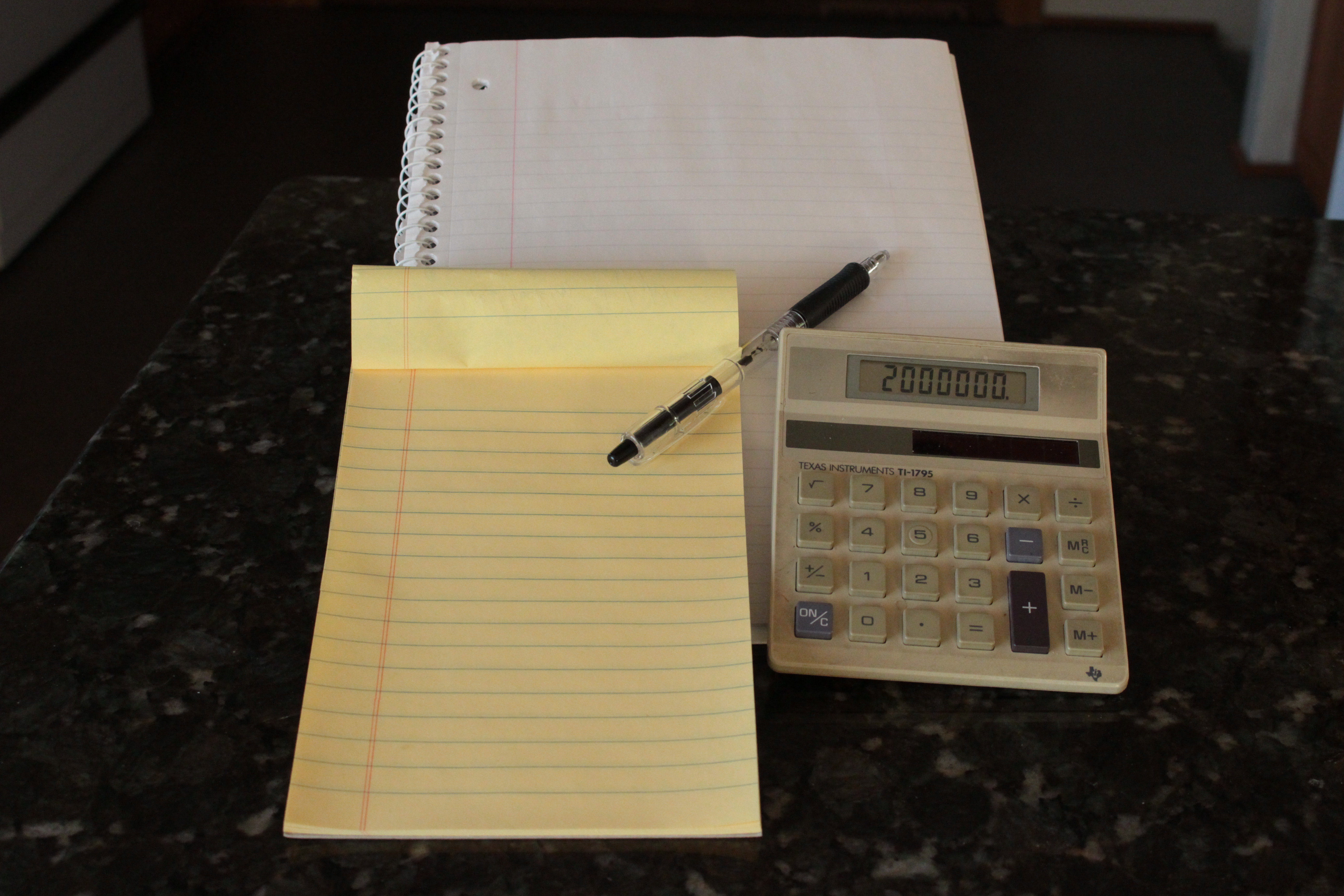
I was on my own. I grabbed my favorite pen, a load of blank paper and a calculator. And I began to work out the numbers. Leave it to the Cheez-It manufacturer to make things difficult. I mean, for decades Its had come in an understandable size, a one pound package. That’s the same as 16 ounces I’ll mention to those of you who left school a long time ago. But in 2008 the Its maker downsized the box to 13.7 ounces, a strange number to be sure. And last year they did it again. The standard Cheez-It box now contains 12.4 ounces of product.

And if all that weren’t bad enough, I had to throw into the equation the fact that my Its consumption habits have changed over time. For years and years I would down three or four pounds of Its weekly. I easily could knock off a box while watching a baseball game on television. But those heights are a distant memory. In the early aughts my intake of Its dropped by half. And it has continued to shrink. For the last few years I’ve eaten about three-quarters of a pound per week.

The tools that I used for my daunting calculations.

OK. I sat at the dining room table for hours, scribbling, sweating, cursing, punching wildly at calculator keys. The basic fact that I always held onto came from the side panel of each Cheez-It box: Twenty-seven Its weigh 30 grams. And 30 grams, I found out elsewhere, are the same as about 1.1 ounces. Needless to say, progress was slow. But things eventually started to come together, to make sense. Two million Cheez-It crackers was the approximate number that I had chewed and swallowed, I finally concluded. I picked up the phone and dialed Vinnie Bubalinsky’s number, ready to gloat. But I hung up after one ring. He will read about my triumph soon enough, no doubt, on this page. Vinnie, some losers never quit.

I’d like to put my Its consumption in perspective. We all agree that 2,000,000 Cheez-It crackers are a massive amount. In fact, if you placed them edge-to-edge on a flat and straight-as-an-arrow highway, they would extend for 31.5 miles, a very sizeable distance. But wait . . . there’s something I hadn’t thought about: In a car you’d cover those miles in less than half an hour. And yet it took me 45 years to eat the crackers. What does this mean? That cars are about 1,000,000 times faster than the human mouth? That highways inherently are inappropriate places to place Cheez-Its? I really don’t know. I’m confused. I need help.

(If you enjoyed this article, don’t be shy about sharing it. Sharing buttons are below)
(Photos by Sandra Cherrey Scheinin. If you click on a photo, a larger image will open)

Missing David Bowie

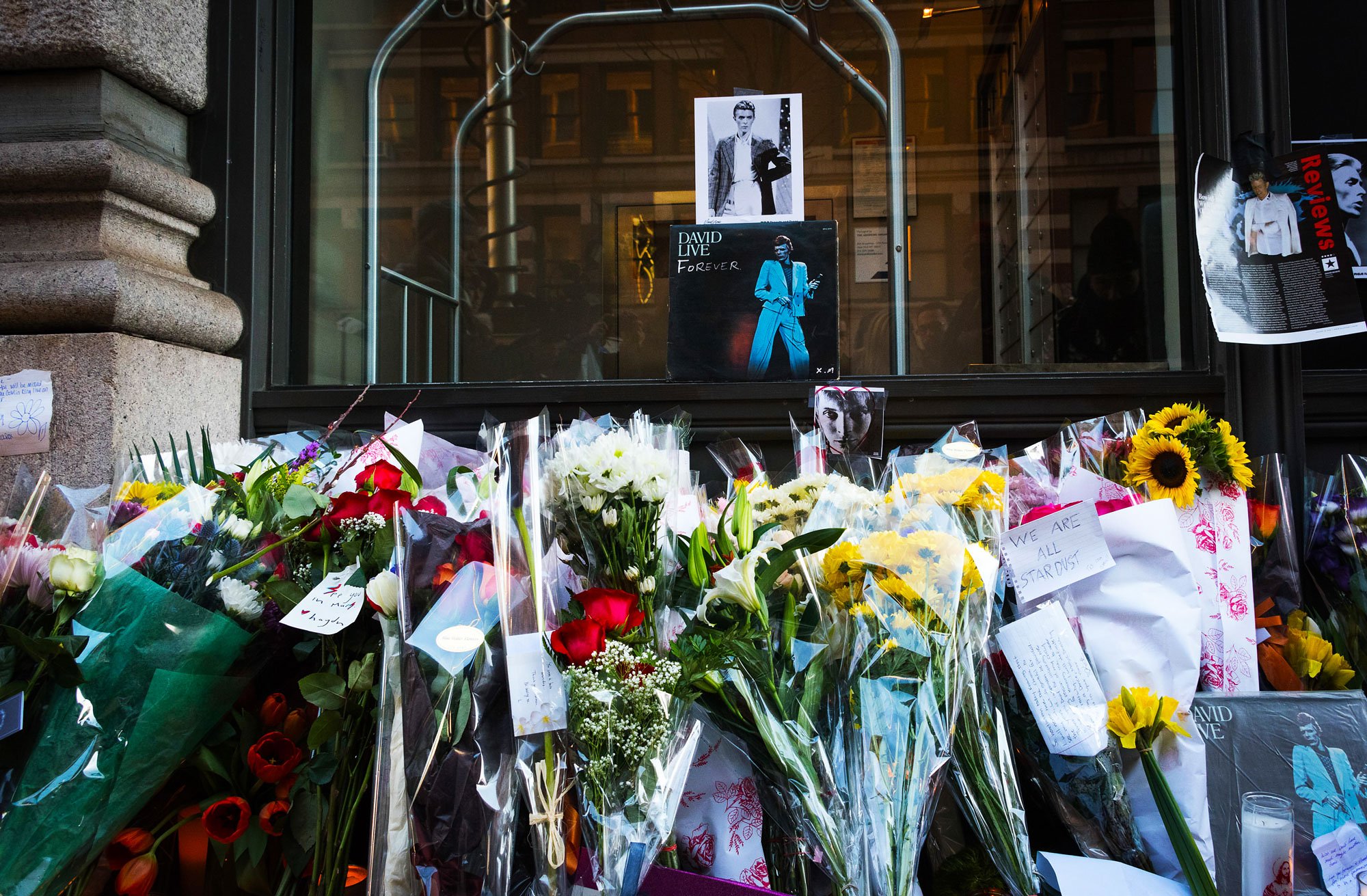
On January 11, a Monday, I heard about David Bowie’s passing. He had shuffled off this mortal coil the prior day. I was shocked by the news, though I’d hardly have described myself as a devout Bowie fan. As that Monday morning segued into afternoon, I couldn’t get Bowie out of my mind. Neither could my wife Sandy, who is far less of a Bowie devotee than I am. We were drawn, as if by an invisible force, to WXPN, the Philadelphia area’s most astute music radio station. In tribute to the great man they were playing Bowie music exclusively for much of the day. We listened for two or three hours, and when XPN turned to other programming at 7 PM Sandy and I put on WPRB, the Princeton University station, to see if Bowie reigned there. He did, and we listened to his songs for several hours more. I can’t think of many artists who, following their deaths, would receive radio homages of this sort. And of course the Bowie outpourings weren’t limited to radio. Media coverage of his life and death has been enormous and heartfelt worldwide.

David Bowie fans left tributes to him outside his New York City apartment building. (Photo: Getty Images)

Naively I suppose, I’ve been amazed by the degree of attention that Bowie, in death, has attracted. I’ve been very glad to learn that countless journalists and media commentators held him in really high esteem, not to mention legions of fans. On January 11 Bowie was a top global story, probably the top story, in newspapers, on television and throughout cyberspace.

And I’m struck by the extent that Bowie’s death has touched me. My reaction took me by surprise, wasn’t something I’d have predicted. I don’t know the last time a celebrity’s demise hit me so strongly. Maybe it was in 1980, when John Lennon left us. Lennon was one of my heroes. Though Bowie wasn’t, I admired the heck out of him during a swath of the 1970s and always have considered him to be a cultural giant. That accounts for part of my sadness, but not for all. So, what else was it about Bowie’s death that got to me? I’ve thought about this for awhile and have come up with two main reasons.

David Bowie recorded 26 studio albums. His final work, Blackstar, entered the marketplace on his 69th birthday, two days before he died. I own six of his albums. All of them are from the 1970s except for 2002’s Heathen. I love my six from the 70s. Each I believe is great, and the greatest to me is 1976’s head-spinning and majestic Station To Station. I don’t know why I stopped buying Bowie’s releases after Station To Station. I read about them, heard some tunes on the radio, but didn’t lay down any dollars again till 26 years later. Nothing new, I was just plain stupid. Here was a guy with a brilliant track record, whose albums I once had spun over and over, and nonchalantly I had abandoned his singular musical journey. It wasn’t till a few nights ago that I realized what I had missed. WXPN and WPRB played tracks from Low, Lodger, The Next Day and other albums I barely, if at all, was familiar with. The music, as I might have guessed, was fantastic. And I played Heathen on my CD player. I hadn’t listened to it in so long I didn’t recall a single number. David, I only partly knew ya’. I should have kept up. Mea culpa.

Still, missing out on a lot of David Bowie’s music isn’t the end of the world. But it’s an example of not paying attention to life, of letting life pass on by without proper appreciation. And that’s a big deal. I try fairly hard to savor the moment and to do the right thing, but there’s mucho room for improvement. Bowie’s death somehow made me look at myself and my underachieving approach. Ouch. Ouch. Ouch.

And Bowie’s passing did more than that. In the recesses of my mind I discovered some connective tissues that bonded me with him. You see, David Bowie was only a smattering of months older than I, and because of that I subconsciously had felt a kinship with him. And so when he died an internal link to my younger self broke and I started to contemplate the big picture even more deeply. I mulled over the kinds of thoughts that aren’t reassuring. Such as: Even if I make it for another 25 years I’m a whole lot closer to the end than to the beginning. Man, that’s a bummer. My excellent friend Jeff recently asked me if I believe that human life goes on in a spirit mode after the flesh fails. He’s a believer. I’m not. My take is that each person’s trip is confined to Planet Earth and that the trip is one-and-done.

That said, on with the party. I plan to buy a bunch of David Bowie albums soon, to catch up with someone, now-departed, whom I miss.

(If you enjoyed this article, don’t be shy about sharing it. Sharing buttons are below)

The First Time I Saw Springsteen

Before today I hadn’t mentioned the words Bruce or Springsteen anywhere on this blog. But you know, this article about The Boss probably won’t be my last. That’s because I’m a big fan of Bruce’s. I’m not one of his fanatical followers, not one of the myriad folks who own every recording he has ever issued and have attended Springsteen concerts in the dozens and above. But big enough. I consider Springsteen to be a huge talent. For decades he has been a superb singer, songwriter and guitarist, and an in-concert performer blessed with off-the-charts charisma and energy. On January 16, he and The E Street Band will be hitting the road for the umpteenth time. When I read recently about their upcoming tour, my mind wandered back to the first time I saw Bruce on stage.

Springsteen got his start in the late 1960s. By 1973 he had developed a fairly big fan base in a few locales, such as the New Jersey Shore communities and the greater Philadelphia area. Part of this was due to his relentless gigging around the USA. Back then if you toured enough you were bound to catch on somewhere, especially if some radio stations played your tunes. But overall he and his E Street Band still were little known. For the most part he played in small venues until finally breaking through nationally in 1975. Global superstardom would follow some years later.

I moved to Philadelphia in February 1974 and soon started hearing Bruce on WMMR, the city’s premier rock station at that time. They played tracks from his first two albums, both of which came out in 1973: Greetings From Asbury Park followed by The Wild, The Innocent & The E Street Shuffle. It didn’t take me long to become a Bruce devotee. I bought both albums and especially liked what was on The Wild. Who wouldn’t have? The songs, every one Bruce-penned, are fabulous. They are literate and intriguing stories put to wonderful melodies. Rosalita (Come Out Tonight), Incident On 57th Street, Kittie’s Back . . . man, the seven songs on the record sound as good today as they did all those years ago. There was no question in my mind that Springsteen carried the goods. I wanted to see him in person.

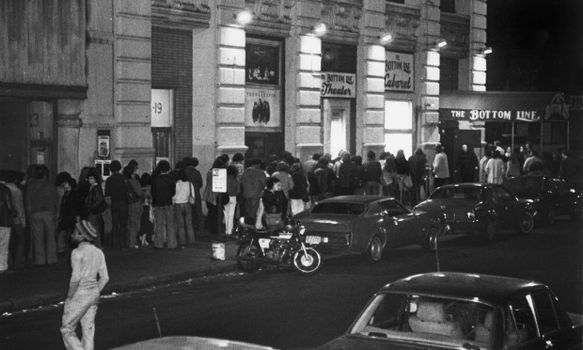
The Bottom Line (photo by Peter Cunningham)
The Bottom Line (Photo by Peter Cunningham)

In July 1974, Bruce and The E Street Band played six shows in Manhattan at The Bottom Line. Three nights of music, two shows per night. Long gone, The Bottom Line was a magnificent small club in Greenwich Village, magnificent not because of its décor but because of its wide-ranging musical menu. I was there with my brother Richard at one of the early shows. Richie wasn’t as ardent a rock lover as I was, but somehow I had convinced him to come along. I suppose I’d known about Bruce’s Bottom Line gigs via announcements on WMMR. I can’t imagine how else I’d have heard.

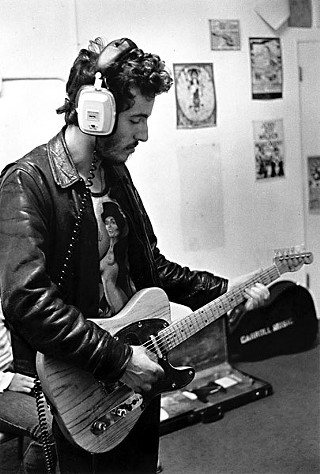
Springsteen a few months before I saw him (Photo by Burton Wilson)

How much of the show do I remember? Well, to put things in perspective, I’m probably exaggerating on the high side when I say that I recall about 0.0001% of my adult life. Pathetic and depressing, but true. And yet I  do have some memories of that summer evening nearly 42 years ago. I can picture Richie and me seated at a table. We were 20 or 30 feet from the stage. I remember the start of the show. The house and stage lights went dark, and then one spotlight illuminated a small section of stage. Springsteen stood in that focused light, a big floppy hat tilted on his head. And he began to sing Incident On 57th Street. Quietly.

Spanish Johnny drove in from the underworld last night/With bruised arms and broken rhythm and a beat up old Buick, but dressed just like dynamite/He tried sellin’ his heart to the hard girls over on Easy Street/But they said “Johnny, it falls apart so easily, and you know hearts these days are cheap.”

The E Street Band whispered behind Bruce. And as the vocals gradually intensified, the band followed Bruce’s lead nimbly and powerfully. For this song, The Bottom Line, just like that, was transformed into a tough part of town where sorrow and longing prevailed. The reports that I’d heard in Philadelphia were true — that Springsteen, on stage, enveloped a song like few others, tapped into a cache of emotions that were invisible to most vocalists, and that The E Street Band was scarily good. I knew that I was at what would be the best concert I’d ever attended.

Bruce and the boys danced through maybe 10 or 11 more songs before leaving the stage, and they never let go of the audience’s gut. The concert was an exhilarating and spellbinding ride, a trip to rock and roll heaven. The only other tune that I specifically recall being played is Rosalita. It was rollicking and wild. Delirious. Amazing. There was nothing that Bruce, Clarence Clemons, David Sancious, Garry Tallent and the other E Streeters couldn’t do.

Richie was as stunned as I was. I don’t think he’d had any idea what the night held in store for him. To this day I rank Bruce and band at The Bottom Line as one of the ultimate shots of live music in my life. It gave me shivers. It made me shake my head in disbelief. It sent me out into the streets with a buzz that still echoes.

(If you enjoyed this article, then don’t be shy about sharing it. Sharing buttons are below)
Two Movies With One-Word Titles: Brooklyn And Carol

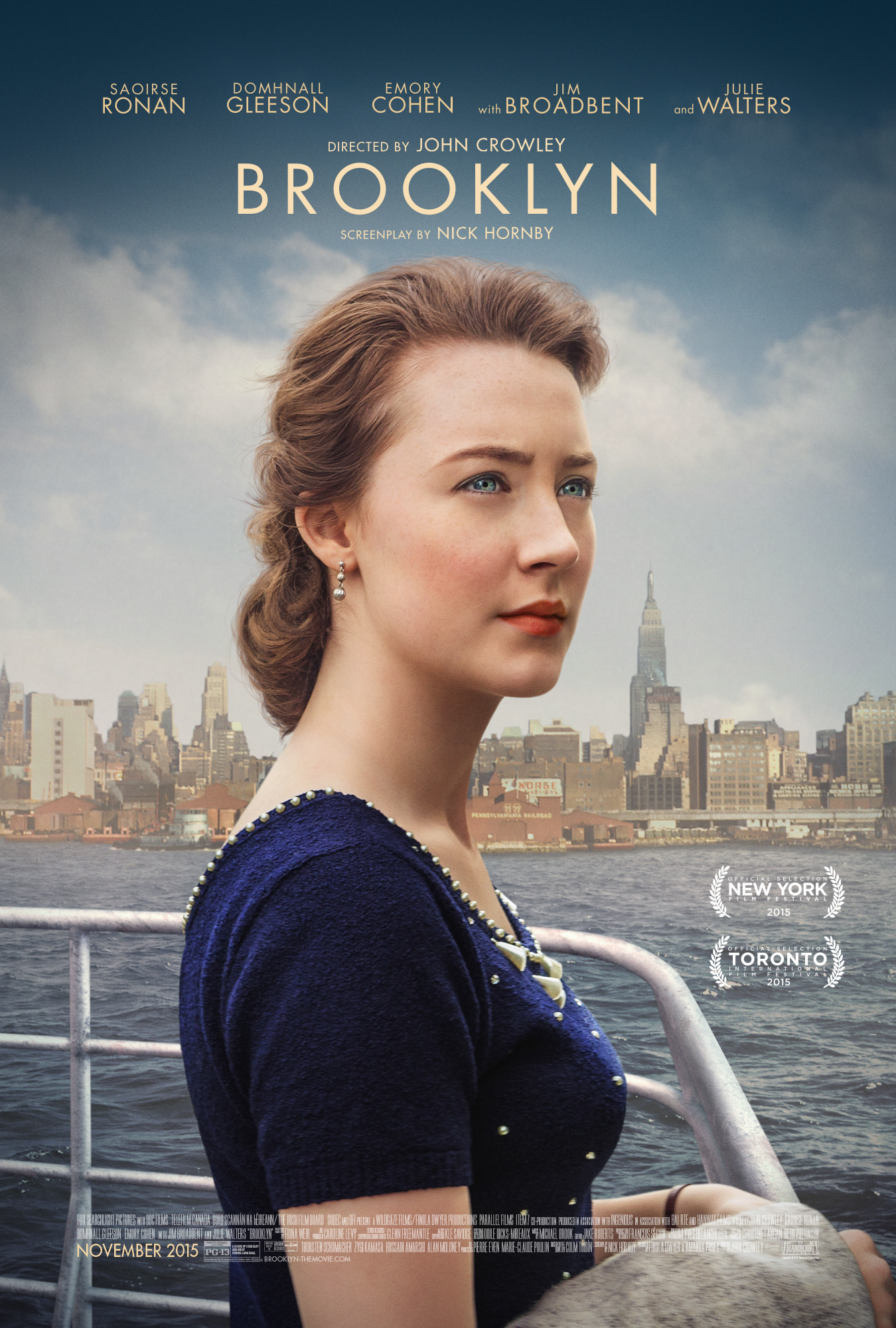
Is it my imagination, or were there a whole lot more movies than usual with one-word titles in 2015? Burnt. Room. Minions. Spectre. Trainwreck. Trumbo. Phoenix. Pixels. Grandma. On and on the list goes. Luckily for me and my readers, this article will not be an examination of how, if at all, movie quality correlates with title length. I’ll leave that project to PhD candidates frantically in search of an original research topic. However, I am going to write about Brooklyn and Carol, two more movies with really short names. They hit theaters in the latter stage of 2015, which is when my wife Sandy and I saw them. I thought that both were very good and that they had some things in common besides the title situation.

Let’s start with the interesting but unimportant. It’s pretty cool that here we are with two movies partly set in New York City circa 1950. Dig the voluptuous cars and snazzy hairdos. Brooklyn spends much screen time in, who’d have guessed, Brooklyn. Carol takes place in various places, most prominently in Manhattan. And, amazingly, each movie features a girl employed as a sales clerk in a department store but not destined to remain there. What’s more, both flicks are based on novels. Colm Toibin’s Brooklyn came out in 2009. Carol is drawn from Patricia Highsmith’s 1952 opus, The Price Of Salt.

But none of the above is glue. Where the movies, to me, really seem to reflect off one another is in their multi-angled looks at the meaning and value of a big-time human concept: Home. What is home? Is it a place, a state of mind, both? Do people know when they are home? Does feeling at home matter? Where does live fit in with all of this?

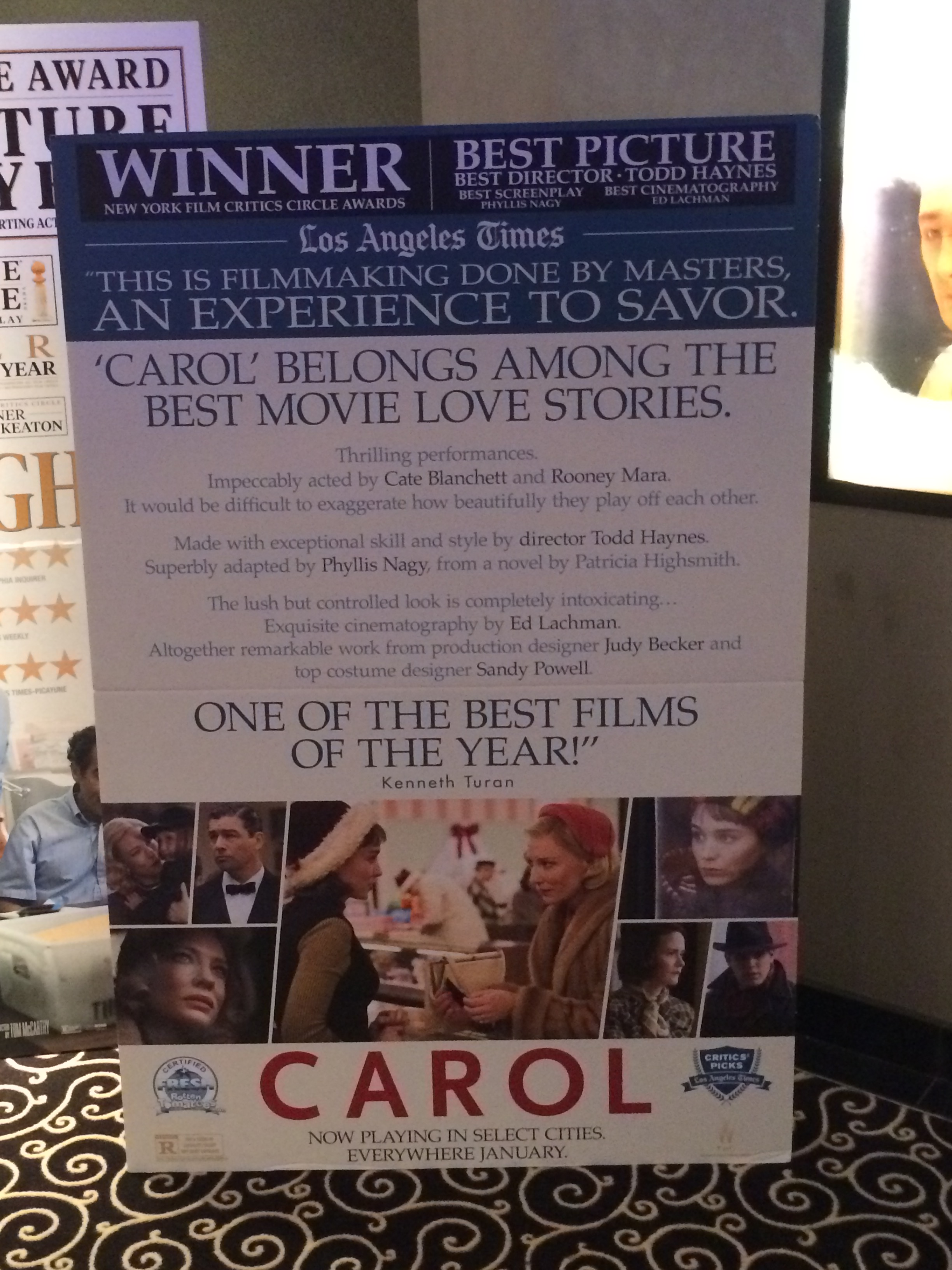
Whew! Tough questions. There’s a good chance I’ll get nicely tangled up trying to address them. Before that happens, though, I’ll make what probably are my most important comments: Brooklyn and Carol are thoughtful movies, and they have different tones. The former has its slightly unsettling sequences, but overall is bouncy, laden with brightness and bon mots, and maybe too stagey. Still, it firmly gazes at human relationships and life’s pitfalls, as does Carol. Carol, though, is deliberately paced and dead serious. Muted lighting, a quiet jazzy soundtrack and ubiquitous cigarette smoke add a dreamlike quality to its decidedly realistic proceedings. If you need some laughs mixed in with the cerebral, then Brooklyn likely is for you and Carol isn’t. But both are strong productions. Fluid direction (Todd Haynes helmed Carol, and John Crowley took the wheel for Brooklyn) and excellent acting propel them. Brooklyn‘s leads, Saoirse Ronan and Emory Cohen, are terrific. Likewise Carol‘s main players, Cate Blanchett and Rooney Mara.

Brooklyn_1Sheet_Mech_7R1.indd

Brooklyn and Carol are love stories of the heterosexual and homosexual varieties, respectively. Brooklyn follows the ups and downs of Eilis Lacey (Ronan), an 18-year-old or so Irish lass living with her adoring mother and adoring older sister, Rose, in County Wexford. Rose wants the best for Eilis. Duly noting that career opportunities for her younger sister are limited in Ireland, Rose arranges for Eilis to live and work in America, in Brooklyn, where presumably a fine future will be attainable. Large numbers of Irish and Irish-descended already populate Brooklyn. There, Eilis might feel as if she almost were home. But she doesn’t, not at first. Far away from everything that matters to her, she flounders. Then she meets Tony Fiorello (Cohen), a young guy of Italian background who seems for real, who loves her, and her world changes. But life, as is its wont, throws curveballs at Eilis. Where is Eilis’ heart most at home? In Brooklyn? In Ireland? With Tony? The answers mutate over time.

IMG_0123

Carol presents a similar mix of conundrums.  Therese Belivet (Mara), maybe a few years older than Eilis, lives alone in a small Manhattan apartment. She has a loving boyfriend, Richard. But she feels unsettled. She doesn’t know herself, hasn’t come to many conclusions about her needs and likes and directions. At her department store sales counter one day she meets an intriguing customer, Carol Aird (Blanchett), a polished and moneyed missus living with, but divorcing, her husband. Carol Aird is twice Therese’s age. They take to each other, feel comfortable with each other. Start spending a good deal of time together. And ultimately take a road trip, a trip necessitated by Carol’s wish to try and make her unhappy marriage a distant memory for awhile. Carol and Therese are platonic partners at the start of their adventure, but not for too long.

At a restaurant during the journey, Carol asks Therese if she misses Richard. Therese says she hasn’t thought about him since hitting the road. In fact, she says, she hasn’t thought about home at all. Carol looks at Therese and, with a gentle snort and slight shake of the head, mumbles “home.” Carol knows that she has no home, not really. She feels unanchored in the stately house she shares with her spouse, has no real connection to her community. Both she and Therese are homeless in spirit. But they are discovering each other.

Gentle readers, little more will I divulge about Brooklyn and Carol. Except for this: Both movies reach clear and understandable conclusions. Which, being on the slow side, is something I appreciated. But those conclusions sent my mind into overdrive, and I projected past the closing scenes. Life’s complicated. Answers and resolutions do not come easily. And even in those instances when the fogs eventually lift, as they do in Brooklyn and Carol, who can say what the future will hold?

(If you enjoyed this article, then don’t be shy about sharing it. Sharing buttons are below)
I Saw The Lights: A Belated Christmas Story

Colors. Patterns. I love ’em. Which is why I’ve spent much time over the years in museums and art galleries. And gazing at fireworks displays and at sunsets. Another example of epic and colorful exhibitions in which I’ve immersed myself takes place each year in neighborhoods throughout much of the Christian world. I’m talking about the Christmas lights that untold millions drape on the exteriors of their houses and on their greenery. For most of these millions, yuletide is the one time annually when their inner artists emerge, the one time when they express their creative bents in a big way. As an art admirer I appreciate the hard work that they put forth. And I consider many of their efforts to be at a high aesthetic level. Christmas lights displays, when done right, are gorgeous and admirable and, to me, no different really than so-called fine art.

For many years my wife Sandy and I went out four or more nights each Christmas season to look at the lights. We’d drive through our neighborhood and through many others in Philadelphia and the burbs. My father lived with us for the last six years of his life and he’d often accompany us on these excursions. He loved looking at the lights as much as we did. Slowly we’d proceed along blocks, saying “look at that house” over and over as we made our way. We’d often pull to the curb and stop in front of particularly well-conceived arrangements. Some of those were elegant in white only. Others were complicated and ablaze with color. And we’d always spend a long time ogling the mind-blowing and whacky assemblages of lights, kinetic whatnots and inflatable objects that covered every square inch, including roofs, of a few folks’ houses and grounds. Not every neighborhood has one of those. They sometimes become tourist draws, not a good thing if you’re the next-door neighbor.

During the last few years Sandy and I haven’t explored the lights as much as we used to. Not sure why. Up until Christmas week itself this year, we hadn’t at all. But you know, I got the itch at 5 PM a few days before Christmas. I placed my newly acquired smart phone in my pocket and did something I’d never done before. Namely, look at the lights not through a car window but on foot. Sandy decided to stay home. Her loss.

It was neat-o walking around my suburban neighborhood at night. That’s something I rarely do. Funny thing . . . people and houses don’t disappear after the sky turns black. I passed a couple of joggers, a couple of walkers and a couple more walkers holding leashes. Dogs were attached to the leashes. I saw kids running around their houses, people pulling into and out of their driveways. Wow, I’ve got to get outside more. Life’s a-buzzing aplenty.

And I also saw the lights. My neighborhood largely consists of modest wood-shingled and brick houses, nine or so on each side of each block and spaced about 15 feet apart. In other words, the blocks have a tidy layout and are crowded with homes, conditions that are ripe for a mighty fine dose of Christmas lights. Assuming, of course, that plenty of the houses are occupied by Christians who don’t mind climbing ladders and who have a sense for colors and patterns that work well together. Happily, all of this was the case. Many of the homeowners in my community did a lovely job decorating their properties. I walked for blocks and blocks and had a good ol’ time taking in beauty and snapping photos with my phone. This non-Christian thanks those homeowners for bestowing such presents upon him. Here are some examples of their artistic work. Before I forget though, let me mention two things. First, a larger image will open if you click on any photo. Second, please don’t be shy about sharing this article (sharing buttons are below the photographs).

IMG_0084IMG_0093IMG_0096


IMG_0102IMG_0106IMG_0116

The Night I Made A Cocktail Table Go “Boom”

You should count your lucky stars when you act like a nitwit and are forgiven for your sins. That is what happened to me about ten years ago at a jazz concert. It was the night when talentless me accidentally became part of the show.

I hadn’t thought about that infamous evening in a long time, but for some reason was reminded of it recently when my wife Sandy and I took in a Friday night concert at the Philadelphia Museum Of Art (PMA), which had been the scene of my crime. The museum calls its Friday night concert series Art After 5, and it’s a good one. Art After 5 began in 2001 with a jazz-only format, but has morphed over the years to include a wide range of genres. Sandy and I have been to a crazy number of music shows at PMA since we discovered the series in 2002.

Picture this: It is February 2006. Sandy and I are seated in the first of several rows of tables ringing the performance area in PMA’s Great Stair Hall. The hall is enormous, maybe 80 feet high, and is dominated by, yes, a great stairway that connects two levels of the museum. The Great Stair is 20 feet behind us and stares regally at the performance area. Many concertgoers are seated on its marble slabs . . . uncomfortably. Sandy and I prefer comfort. So we made it a point to arrive way before showtime in the hopes of nabbing one of the cocktail tables, which are squeezed together pretty closely. Compared to marble stairs, the chairs at the tables are a blessing for butts. At our table we don’t have much to do except twiddle our thumbs. We order soft drinks and sip at them. We are waiting for jazz vocalist Carmen Lundy and her band to start their show.

Carmen Lundy in performance six years after my cocktail table went "boom." (Photo by Daniel Sheehan)
Carmen Lundy in performance eight years after my cocktail table went “boom.” (Photo by Daniel Sheehan)

At 5:45 PM Carmen and the guys are introduced by Art After 5’s curator. Minutes later they begin to play. They are very fine, and only eight feet in front of our excellent seats. Carmen Lundy, a justly acclaimed performer, is singing with a lot of flair and swagger. Sandy and I are enjoying the show. But halfway through the set something begins to bother me. I feel as though my space is being impinged upon. Someone at a table behind me has inched up a tad too much and is putting pressure on the rear of my chair. I have the solution, of course. All I need to do is slide my cocktail table forward ever so little, after which I’ll be able to move my chair forward too. I push the table very very gently, maneuvering it carefully. But alas, this is a plan not destined to work out. The frigging table loses its balance and topples heavily, its edge creating an enormous sound when it smashes onto the floor. The noise echoes throughout the Great Stair Hall. And everything that was on the table flies off and finds a new home inches from the performers’ feet.

I felt like a schmuck. I was a schmuck. Oy vey, was there anywhere to hide? No way. All I could do was sit there as a couple of servers scampered over, set the table upright, and on their hands and knees quickly swept up ice cubes and pieces of broken glass. They mopped up the soft drink liquids from the floor and retrieved my eyeglasses, which once had been on the table but now were beneath the piano bench. Yet, all the while the band played on as if nothing had happened. Carmen Lundy continued to deliver her song with full emotion. Harold O’Neal’s fingers were flying on the keyboard. Jason Brown’s drums went rat-a-tat-tat and wham-bam-thank-you-ma’am, and Curtis Lundy, Carmen’s brother, plucked fervent notes on his upright bass.

The set finally ended. Was anyone in the audience staring at me? Probably. But I was too embarrassed to look around and find out. I knew one thing I had to do though. Apologize. Carmen Lundy was standing near the sound board, 20 feet to the right of the performance area. I stood up and made my way to her.

“Ms. Lundy,” I said. “I’m the idiot who knocked over the table. I’m very sorry. I feel like a fool.”

Carmen Lundy gave me a good hard look for a few moments and then did the darndest thing. She put a hand on one of my shoulders, looking me straight in the eyes, and said “Don’t worry about it, honey. It didn’t bother us. In fact it gave us energy to play even harder.”

Man, I didn’t know what to say in response to such a stellar attitude. I mumbled my thanks and probably a few other words and shuffled to my seat.

Looking back on all of this the other day I realized once again that I had been in the presence of classiness and graciousness. If our places had been reversed I doubt if dopey me would have been so wonderful. Carmen Lundy, in my book you’re very much okay.

(If you enjoyed this article, then don’t be shy about sharing it. Sharing buttons are below)
Out And About In Fishtown

On a recent Friday night my wife Sandy and I went to dinner with our great pals, Liz and Rich. We dined in Al Dar, an atmospheric Mediterranean-cuisine bistro in Philadelphia’s western suburbs. As the four of us wolfed down lots of good stuff, Liz asked Sandy and me what we had on the agenda for the following day. Because the Philadelphia area was in the middle of an amazing December warm weather streak, any upcoming rain-free day would be a great one for outdoor exploration. “Maybe we’ll go to Fishtown,” Sandy said. And that’s what we did.

Fishtown is a Philadelphia neighborhood fairly near the city’s downtown sections. It is a maze of narrow streets, with a few big avenues running through, and for most of its existence has held a blue-collar reputation. Until a handful of years ago, Fishtown wasn’t somewhere you’d have had any particular reason to go to, unless you lived there. But times change, and sometimes for the better. Fishtown’s rowhouses and small single homes have found favor with millenials, hipsters, musicians. And with those fine folk have come cool bars and eateries and music venues. Fishtown now is on the map, though its goodly number of empty storefronts and how-do-they-stay-in-business businesses show that there’s plenty of climbing yet to do.

The 1300 block of East Eyre Street.
The 500 block of East Thompson Street.

I like wandering on cute blocks, especially when they have nifty or unusual names. And Fishtown is full of those: Crease Street, Eyre Street, Shackamaxon Street. Yeah, Shackamaxon. I’d never heard of half the streets that Sandy and I stepped upon, which was just the way I like it. Gave me a sense of exploring the unknown. I saw that Fishtown’s byways are crammed with housing and commercial properties that, to my marginally-trained eye, looked to have been erected mostly between the mid 1800s and early 1900s. As with much of Philadelphia, the buildings usually rise no farther than three stories above ground level. And how about those bricks, a construction material that numbers in the gawd-knows-how-many trillions of units in Philadelphia. Fishtown’s share of that bounty must be at least twenty billion.

Fishtown's public library.
Fishtown’s public library.
Girard Avenue as seen from Eyre Street.

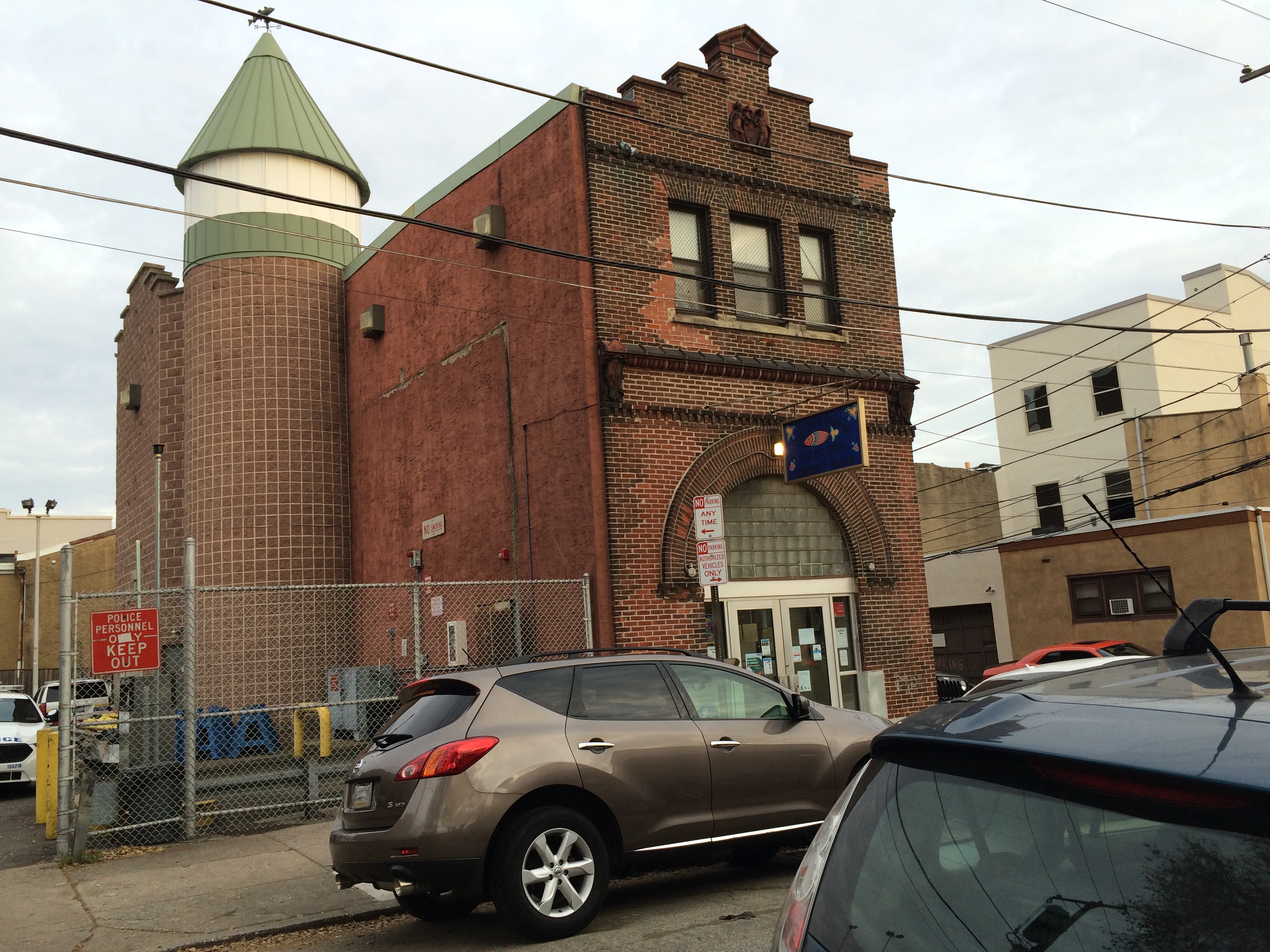
It would take hours to see all of Fishtown, hours that Sandy and I didn’t have at hand. But we strolled around and I think got a halfway decent sense of what the neighborhood is all about. I was glad to see that Fishtown is kind of a small town unto itself. That’s been the case for at least 150 years, from what I’ve subsequently read. Look! A library. A police station. A rec center with a hockey rink. A wonderfully-domed Presbyterian church that has been in place since 1859. A bunch of pocket parks. Sharp, indeed! But the small town feel disappears when you venture off the residential blocks. On Girard Avenue, a major artery that bisects the area, the almost endless lengths of overhead wires are a gritty spider’s web and a quaint-yet-quintessential urban sight. And the traffic on Girard Avenue and Frankford Avenue at times is relentless.

Let’s move on to food and drink. Fishtown has become a player in Philadelphia’s emergence as a destination for foodies and/or craft beer aficionados. Kraftwork, East Girard Gastropub, Frankford Hall, Fette Sau, Interstate Draft House, Pizzeria Beddia (a take-out-only joint with no phone and a policy of baking only 40 pies per day. It gained instant fame when bon appétit magazine, incredibly, crowned its offerings earlier this year as the best pizza in the USA). Hey, if filling the gut and loosening the inhibitions are on your agenda, Fishtown’s as good a choice as any to do that in.

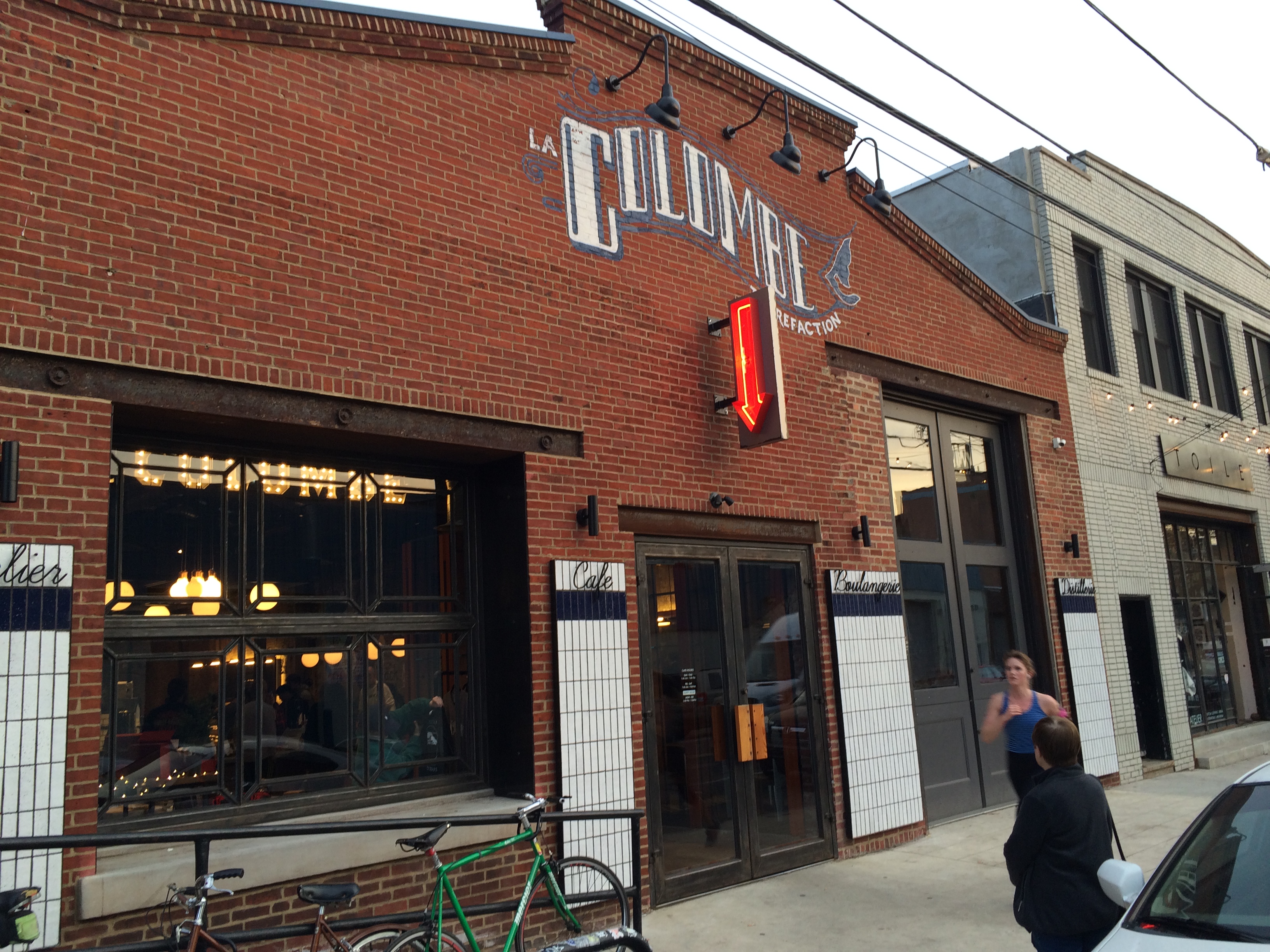
I peeked inside some of the above-named places, and others, on Girard Avenue. They looked great, but it wasn’t even 5:00 PM yet and I wasn’t ready for alcohol or food. Sandy and I earlier had decided that we needed to patronize, or at least ogle, what probably are Fishtown’s two most well-known spots, just to say that we’d been there. And thus we headed north on Frankford Avenue till we reached La Colombe Fishtown (1335 Frankford Avenue), the crown jewel of the La Colombe coffee empire.

Exterior of La Colombe Fishtown.
Interior of La Colombe Fishtown.

LCF opened last year and it’s a thing of beauty, a Starbucks-on-steroids enterprise that was created out of a former warehouse. It’s comfortable and fashioned in the rustic chic mode. Dark wood floors go on forever. Exposed air system ductwork looms overhead. At the tables, customers nurse coffees, wines, beers, pastries and sandwiches for a long long time as they stare into their electronic devices or into each others’ eyes. And in the rear of the cavernous space is something I’d have been unable to anticipate in a million years. A rum distillery. Don’t ask me why, but the brains behind La Colombe had a jones for rum that had to be satisfied. The rum is for sale.

Sandy and I, though, kept things simple. We ordered ice coffees. Yes, we’re big spenders. They were strong and delicious. We stared into our devices and into each others’ eyes for awhile, and then hit the streets once again. It now was time for food and alcohol. Next stop was Fishtown’s biggest claim to fame.

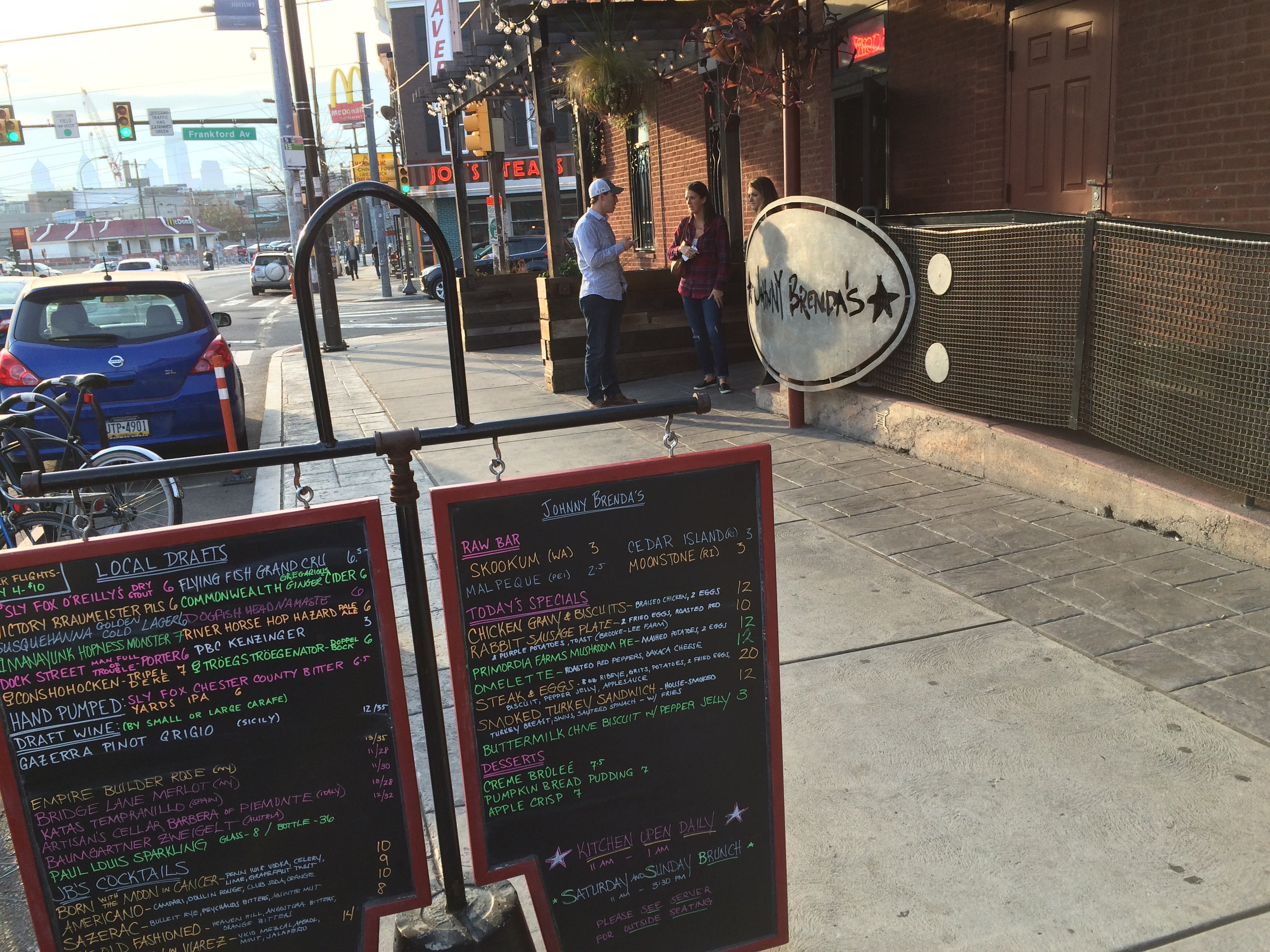
Johnny Brenda’s (1201 Frankford Avenue) used to be an insular neighborhood bar. New owners took over in 2003. They installed good beers and good food, made nice with their Fishtown neighbors, and set in motion their visions of expanding JB’s audience. Johnny Brenda’s is widely credited as the catalyst for Fishtown’s renaissance. Things really began cooking in 2006, the year that JB’s brought live rock and roll to its upstairs quarters. Brenda’s has become a favorite place for local and touring rock bands. Sandy and I have yet to catch music at JB’s, but we’ve frequently talked with friends about doing that. One day soon we will.

Exterior of Johnny Brenda's.
Exterior of Johnny Brenda’s.
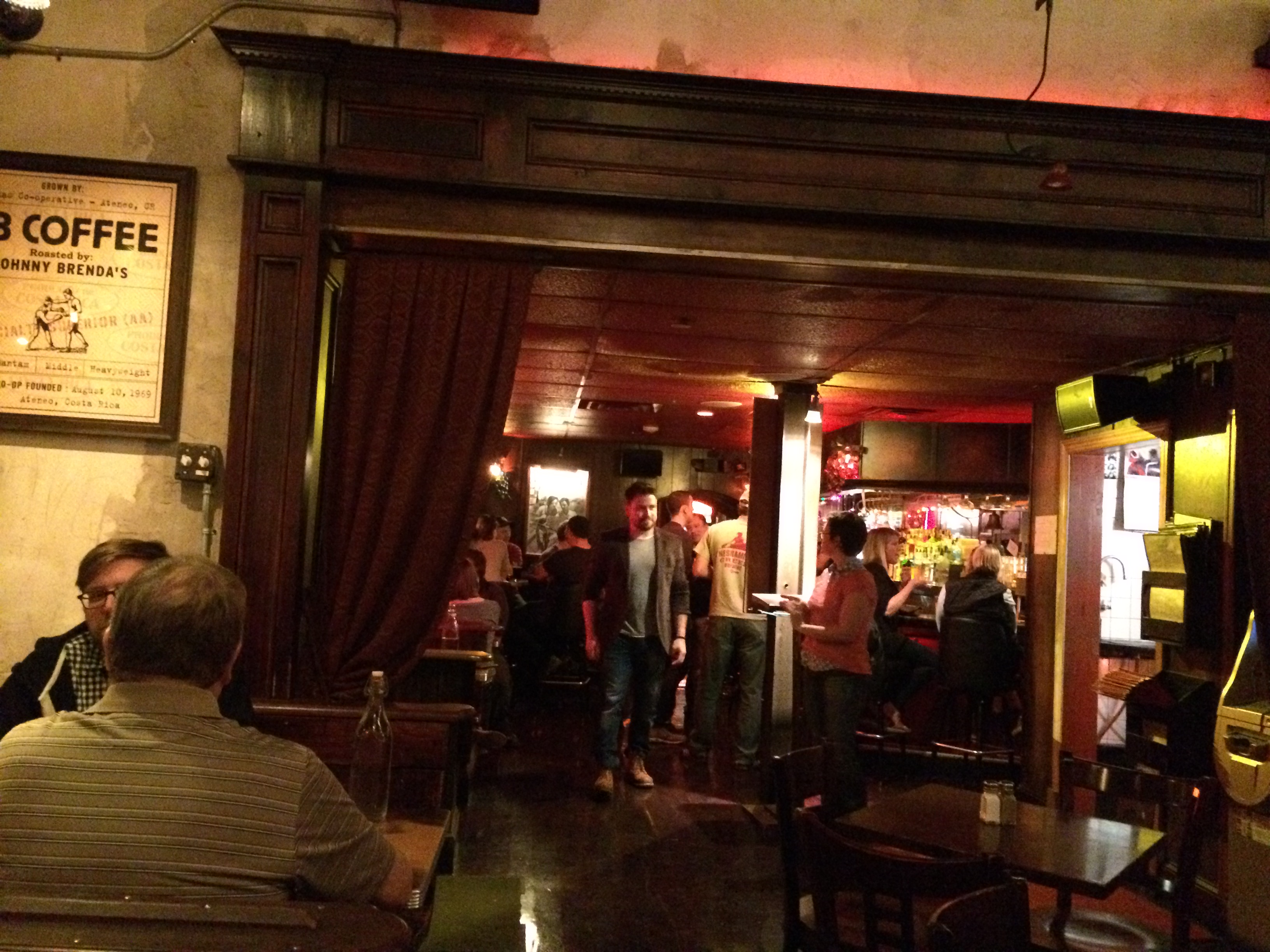
Interior of Johnny Brenda's
Interior of Johnny Brenda’s

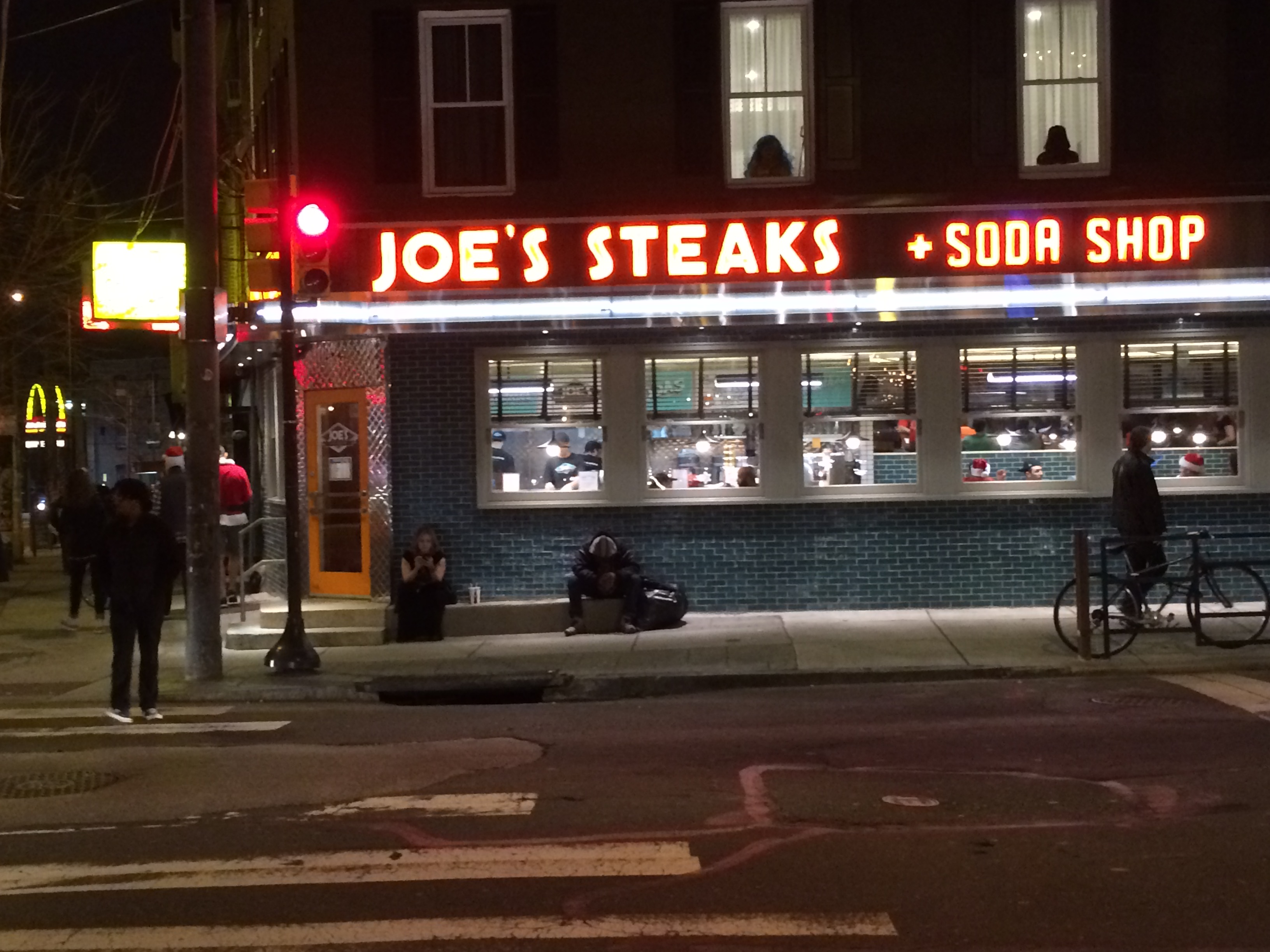
JB’s is a friendly place. It has a pool table, local beers on tap, a nice selection of pub grub. And plenty of customers. Sandy and I grabbed a booth in the dining room. We ordered. Sandy’s Italian white wine was delicious. So was my Sly Fox porter. So were our burgers, hers made from beef, mine from vegetables. But before too long it was time to leave, as a movie, in another Philadelphia neighborhood, was on our evening’s schedule. We settled up and stepped outside. Daylight had disappeared 90 minutes earlier.  The air was cooling down. Groups of 20-somethings and 30-somethings were everywhere. We crossed the street, heading westward on Girard Avenue. But Sandy then suggested that we walk back to where we had just been so that we could get another good look at a resplendent neon palace: Joe’s Steaks + Soda Shop. Sandy took its picture. And we left Fishtown on a high note.

JoesSteaks IMG_0076
(If you enjoyed this article, then don’t be shy about sharing it. Sharing buttons are below)
(Photos by Sandra Cherrey Scheinin. If you click on a photo, a larger image will open)