Keeping It Short (A Story About Books)

Man, I don’t how they do it. They being the book bloggers I’ve come across who not only read an incredible number of books — three and up per week — but somehow also find the time, and have the brain power, to write sharp and detailed reviews about them. My little ol’ head spins madly just thinking about those folks’ accomplishments. Even in the days of yore when I read books aplenty I’d never have been able to follow them up quickly with well-plotted, good quality commentaries. Uh-uh. That kind of mental grandeur and endurance I do not possess, and never did. To put it a related way, my thoughts do not exactly flow in structured torrents along my neural pathways to my typing fingers. Hell, I’m lucky if a writing session produces 150 words that fit together in a useable manner. All I can say is that I stand in awe of those book bloggers. To repeat, I don’t know how they do it. (Lynne LeGrow, whose blog is called Fictionophile, is an example of what I’m talking about. Click here to find her blog.)

I bring up all of this partly because this is the first opus I’ve written that touches upon my book-reading activities. As I alluded to moments ago, I used to consume more than my share of books, especially in the 1970s and 80s. Leafing through a list that I’ve been keeping since 1970, I see that I knocked off 45 volumes in 1971, for instance, and 59 in 1983. The latter is my highest-ever yearly total.

Alas, my bookish endeavors came to a grinding halt in February 2015 when I reached the final page of Birds Of America, a collection of cool short stories by Lorrie Moore. That’s when the dark months set in, months marked by so much fretting about my place in the universe and in the kitchen, I became a cowering wreck. Books could wait. Oh well, it might have been worse. Like, if Trump had been elected president. What? You mean he is president? Holy crap! Let me outta here!

But the dark times didn’t last forever. Quite amazingly, quite unexpectedly, a few weeks ago I found myself picking up a book that had been hanging around the house for a pretty long while. I ran through it in five or six days. And one day after finishing it I headed to a local library and took out a work that I almost immediately set upon. Two days later I reached its end. Bravo, Neil, bravo! Back in the book-reading saddle I am, and probably will remain there for a decent spell.
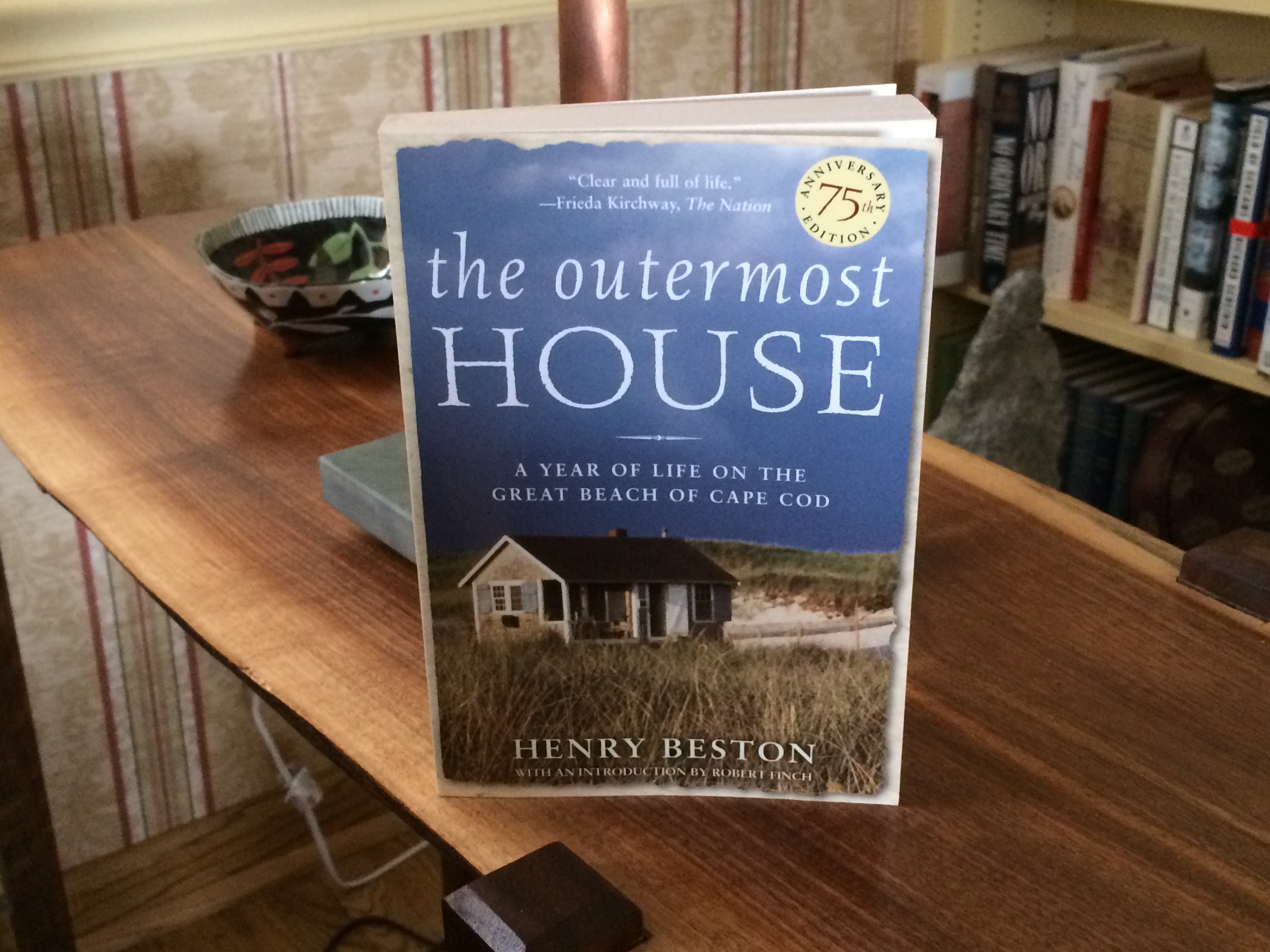
Book number one, The Outermost House, by Henry Beston, was right up my alley. In fact, it is surprising that I hadn’t turned its pages ages ago, as it is set on Cape Cod, a locale I’ve gotten to know and crazily love over the last 20 years. The Outermost House describes the months (autumn 1926 till autumn 1927) that Beston spent living in semi-solitude, housing himself in a two room cabin in the dunes of Cape Cod’s raw and wild Atlantic Ocean coastline. Many times I’ve trod on the very sands and wetlands that grabbed hold of Beston’s heart and spirit.

Beston’s book has become one of the so-called classics, remaining in print since hitting the marketplace in 1928, and apparently still selling pretty nicely. I loved it. Beston writes gracefully and has an eye for subject matter that you don’t frequently cross paths with, such as his lengthy descriptions of the differing types of sounds made by the ocean waves and surf. Next time I’m on The Cape I’m going to have his book in hand as I investigate some of the observations that his keen senses and abstract mind came up with. I won’t be able to check out his cabin, though. A violent storm in 1978 destroyed it.

Now that I think about it, I believe I had the notion in the back of my head for a while to reacquaint myself with books, and that I knew I’d have book-reading success only by taking baby steps. By which I mean I wasn’t about to tackle monsters like Dickens’ David Copperfield or George Eliot’s Middlemarch, both of which ain’t that far from the 1,000 page mark. No, whatever I was to read would have to be short, and The Outermost House fit the bill just fine. Its 218 pages are endowed with a large typeface and spacious margins. Perfect. So, I seized the moment and gave the dark months a hardy wave goodbye.

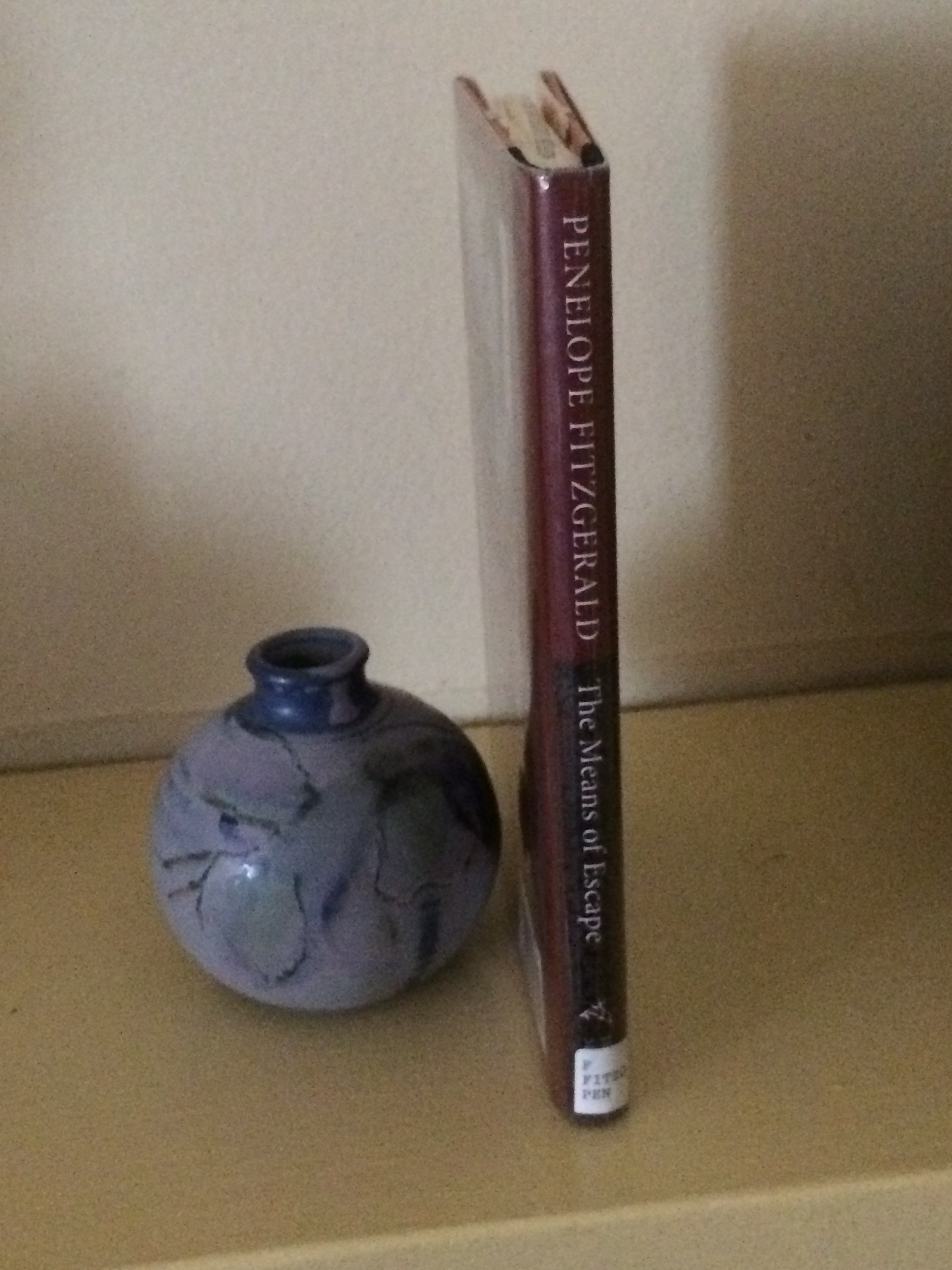
As with The Outermost House, short also needed to apply to the next book I opened if I were to have any hope of establishing a bit of book-reading momentum. Which is why I bow to the memory of the late Penelope Fitzgerald, whose remarkably slim The Means Of Escape, an okay-but-could-be-better short story collection, became the second title I conquered this month. I tell you, a more ideal specimen for length-phobic and trepidatious book readers would be hard to find. You want short? Hey, The Means Of Escape numbers only 117 pages, and a bunch of them are blanks that separate one story from another. The pages that actually contain printed words total a very genial and genteel 96. My kind of book, for sure!

On the living room sofa I began to gloat about my accomplishments to my wife Sandy as the final pages of The Means Of Escape drew within sight. “Can you believe it?” I said. “I’m about to finish my second book in a nine or ten day period.”

Sandy gave me one of those looks. And then she gave Penelope Fitzgerald’s micro-tome one of those looks. “That’s not a book,” she said. “That doesn’t count as a book.”

Oh yeah? I beg to differ. Was it sitting on a library shelf? You bet it was. Does it have a front and a back cover? Damn straight.

It counts!


(Don’t be shy about adding your comments or about sharing this article with others. Or about signing up to follow this blog. Thanks.)
California Stars: A Song To Make Better A Cold And Icy Day

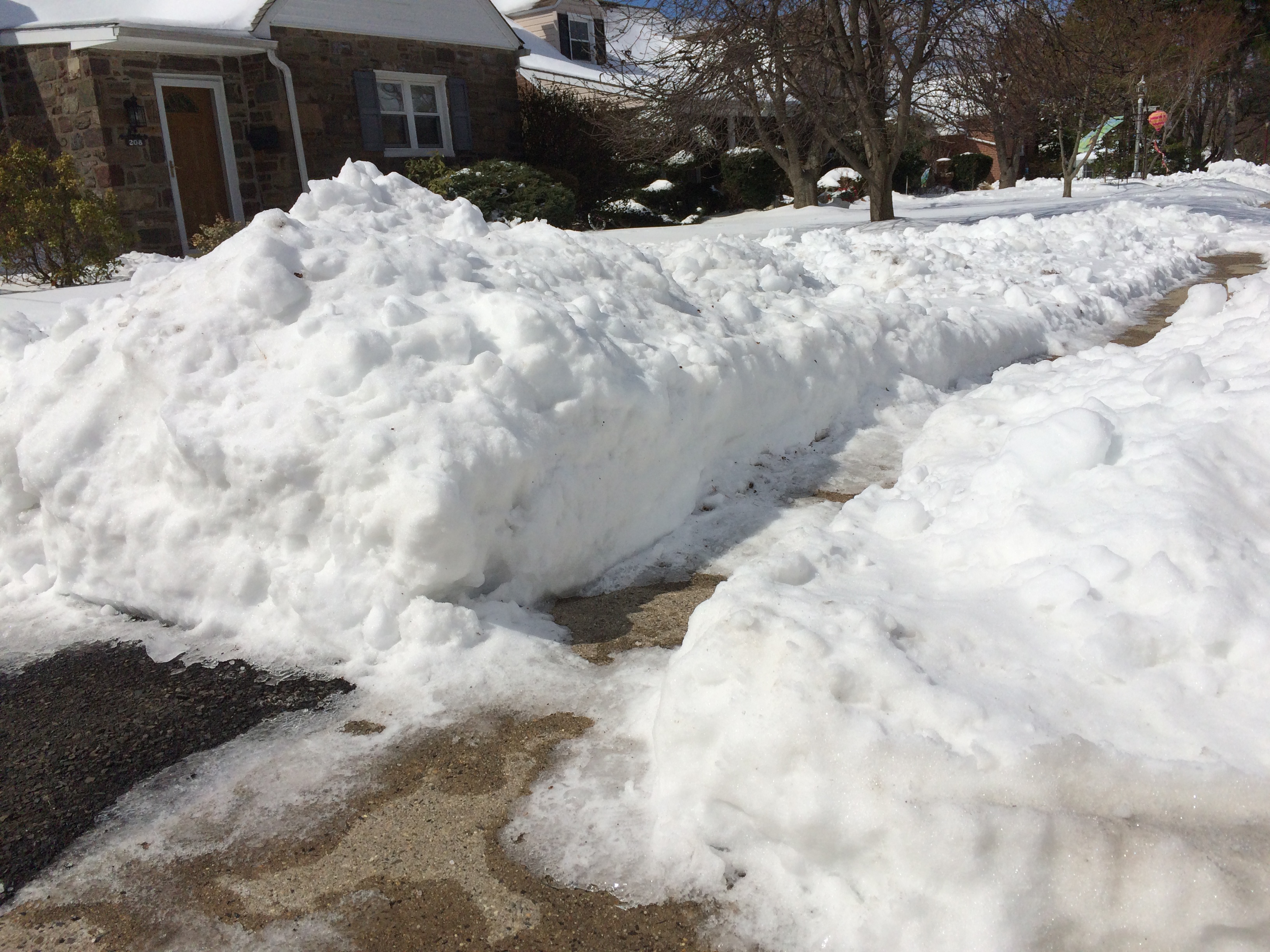
Well, here I am at my writing post on the afternoon of the Ides of March. That’s a date that proved to be a real bad one for  Julius Caesar but hopefully will be benign for yours truly. It’s cold outside, as in 23°F, and my suburban community is weighed down with billions of tons of icy snow that fell from the heavens yesterday. This white stuff is so dense it won’t be going away anytime soon. There’s nothing like a late winter storm to disrupt gleeful thoughts of approaching springtime. Yippee-yi-o-ki-yay, baby.

Earlier today I published one of the oddball stories that, if I had any degree of fame, I would be famous for. Or maybe infamous. Anyway, it partly was about the dilemmas that confront me and surely a fair number of other scribes when it comes to figuring out what in the world to write about. Happily, I am not conflicted about the direction that the present essay shall take. After I kicked around several bushels-worth of slippery notions, things fairly quickly coalesced. Meaning, I have decided to spend some words on a song that is good for cold, ice-laden days such as today. This tune is good for any day, really. It is among my fave recordings of all time, and I think it will elevate my mood as I press forward with this narrative. The song of which I speak is California Stars, a joint production of Billy Bragg, the band Wilco and the late singer and songwriter Woody Guthrie. A better companion I could not hope for. Here it is:

California Stars came out in 1998 on the Bragg/Wilco album titled Mermaid Avenue. Mermaid Avenue is the result of a project that Nora Guthrie (Woody Guthrie’s daughter and Arlo’s sister) put into motion. Her father, who bid adieu to Planet Earth in 1967, had left behind scads of completed lyrics that he hadn’t gotten around to recording. Their accompanying music might have existed in Woody’s head, but those melodies and harmonies never will be known, as Woody was unable to notate music. Nora asked Billy Bragg, a British singer-songwriter, to sift through the lyrics, pick those that wowed him and put them to music. Bragg brought the Wilco fellows aboard to help with the composing, playing and recording processes.

Now, the entirety of Mermaid Avenue is great. I was left kind of breathless when I first spun the CD soon after its release. But one song in particular of its 15 went straight to my heart. California Stars, of course. And I tell the truth when I say that every time I’ve heard California Stars since then, and that’s probably close to 100 times, its effect has been the same.

To me it is a perfect creation. Woody’s lyrics are sweet and simple. In two verses they tell the tale of a discontented someone, likely Woody, who pines for a more idyllic life with his female mate. The California stars of which he writes are the beautiful things that, along with her touch, might help soften his woes. Here’s the second verse:

I’d like to dream my troubles all away
On a bed of California stars.
Jump up from my star bed and make another day
Underneath my California stars.
They hang like grapes on vines that shine
And warm the lovers glass like friendly wine.
So, I’d give this world just to dream a dream with you
On our bed of California stars.

Gorgeous, Woody, gorgeous. But to be honest, I’m certain that Mr. G would have been unable to put his words to music as lovely and endearing as that composed by two of the Wilco boys, Jeff Tweedy and the late Jay Bennett (he passed away in 2009). Clearly captivated by Guthrie’s images, they found the essential combination of notes to encase the lyrics in. Seductively childlike, their work allows Woody’s poem to rise into the clouds and beyond.

And that’s where the song takes me whenever I pay it a visit. A short while ago, in the name of research for this piece, I listened five times to California Stars. Talk about multiple pleasures. And, as if the lyrics and music aren’t fine enough, I began to think that the song’s arrangement and instrumentation and Jeff Tweedy’s lead vocals are the keys to its star power. That’s a discussion that undoubtedly would go on for days, maybe eternally, among the song’s devotees.

I mean, Jeff Tweedy was born to sing this song. He’s a salt of the Earth kind of guy who quietly burrows inside lyrics, finding their core — loneliness or optimism or whatever the case may be. He does this straightforwardly, unaffectedly, an approach that in his hands is right on target. In California Stars, loneliness and optimism are entwined in Guthrie’s vision. Tweedy does the words proud.

Looking down at my star bed this afternoon I flowed with Tweedy’s calm voice. And I rode the gentle waves formed by a yearning and shimmering lap steel guitar, a grinning piano and a bobbing electric bass guitar. And when a fiddle started fiddling joyfully for a few seconds after the second stating of the second verse, I drifted even higher. Miraculously, those instruments touch the skies more than they might have. The elemental drumming pattern that Ken Coomer sagely locked himself into saw to that — a steady and unbroken string of thud-thuds never sounded so good. Sometimes things come together in mysteriously ideal ways. That is the story with California Stars.

Whenever California Stars draws to its close, as it inevitably must, it takes me a few moments to gather myself. I open my eyes (they’d been shut, you dig, the better to float) and begin my return to what passes for reality. And as this story too now nears its conclusion I’ll add another thought about endings: When I’m on my way out, breathing my last, I’d like to be serenaded with California Stars. The Mermaid Avenue version, needless to say, as there have been others in its wake. That’s the way to go.


(Notes: Wilco has seen musicians come and go over the years. Of its six current members, only two remain from the Mermaid Avenue days — Jeff Tweedy and bass player John Stirratt. As for Billy Bragg, his career is going strong. Ditto for Wilco’s.)

Guilty As Charged!

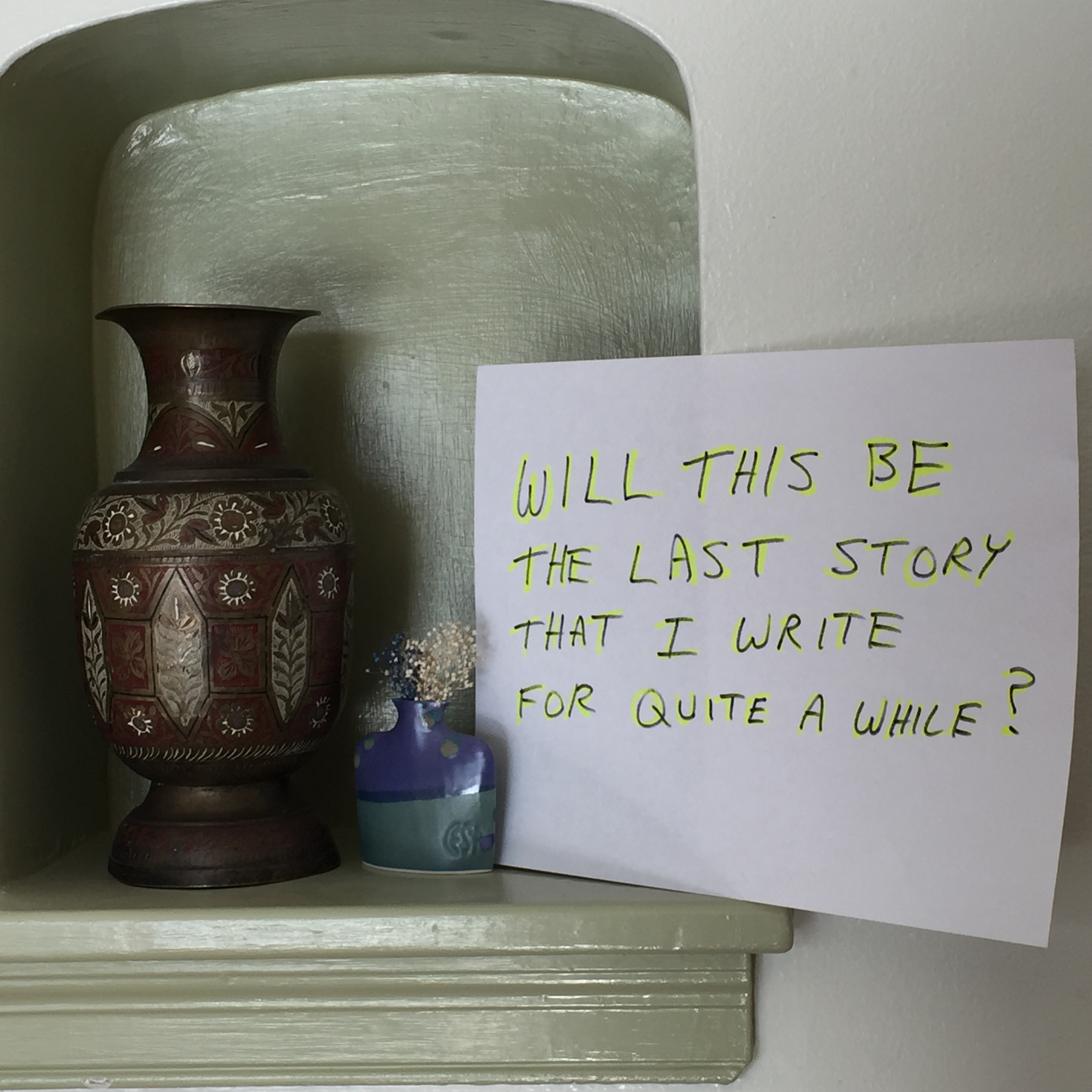
It’s rough out here in the blogging world. I tell you, it’s rough. After what happened to me this past Friday I think I might have had enough. Possibly this will be the last story I compose for quite a while. I can’t say for sure. But this I do know: My nerves are badly shaken. Yours would be too if you had been rigorously reprimanded and questioned, as I was, by the president of BAFFF (Blogging Ain’t For Fools, Fool).

Friday began quietly and propitiously before turning nasty. After breakfast I retired to the living room where, deep in dreamland on the sofa, I made the most of the next several hours. I was ridding The States of zombies and vampires when suddenly I was awakened at 11:30 AM by a series of powerful, rapid knocks on the front door. “Open up, Neil, at once! This is Mal Practiss, president of BAFFF. I’m here to give you a good talking to.”

I opened the door and let Mal in. As a card-carrying member of BAFFF I had no choice but to do so. Silently, I took his coat and led him to the dining room table. There, we took seats.

“Neil,” Mal said, looking straight into my eyes, “I’m certain you realize that, as a blogger, you are expected to meet stringent standards. One of BAFFF’s purposes is to monitor all of America’s bloggers, making sure they write when they should be writing and that they are telling the stories that cyberspace needs to be filled with.”

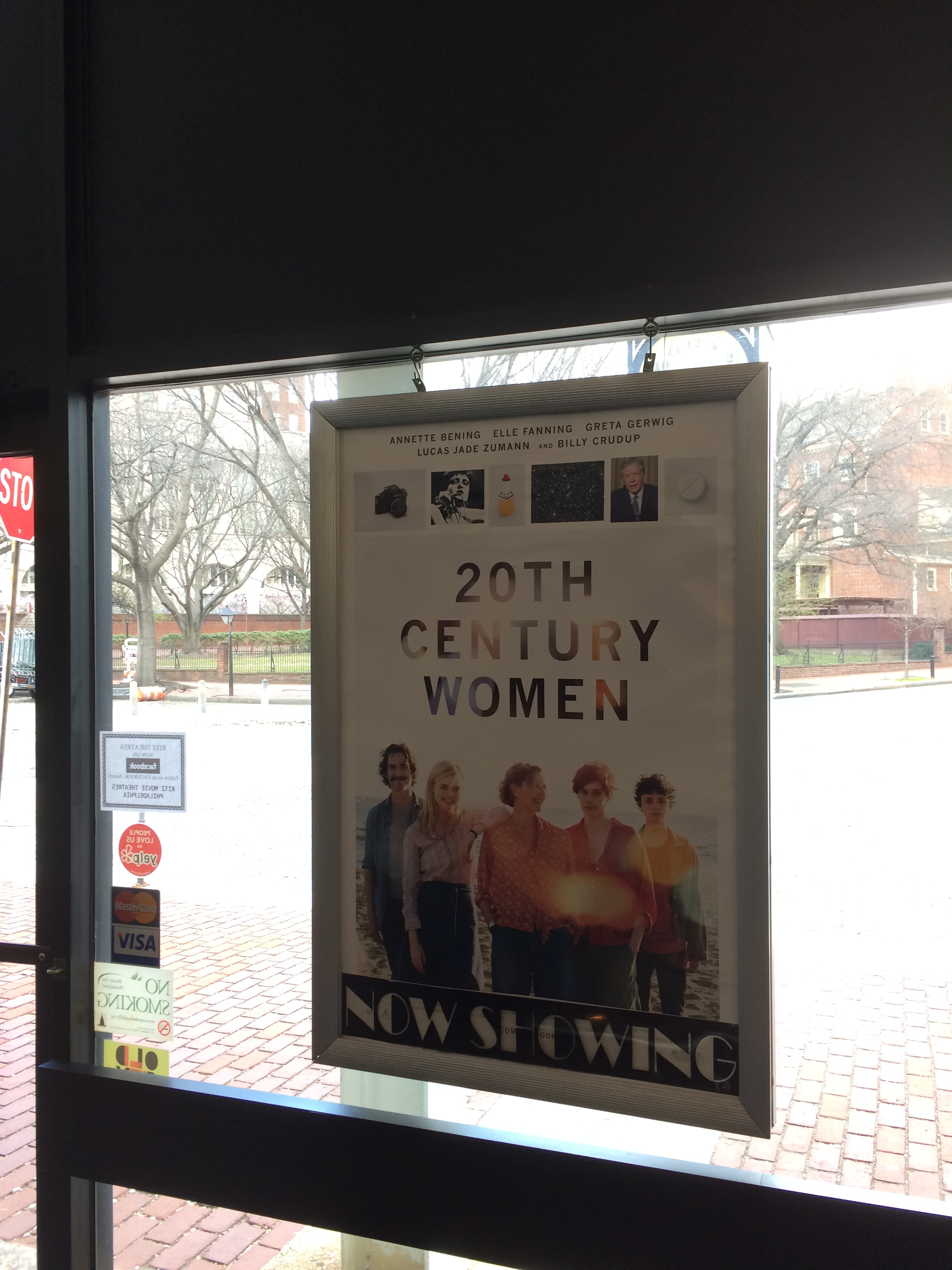
“Neil, it has come to my attention that twice — I say twice — in the past two weeks you failed to pen articles that would have fit your blog’s pages like the finest of gloves. Like most of your output, they would have described somewhat accurately your barely second-rate mini-adventures in life. First, you and your wife Sandy went to Philadelphia to see the movie 20th Century Women and followed it up with dinner at Panorama, an acclaimed restaurant located in a part of town that dates back to when Ben Franklin and Thomas Jefferson strode manfully through the streets. Wasn’t there a story in all of that?”

“And nine days later you and Sandy went to a house concert in Media, Pennsylvania to hear Ben Vaughn and his group. Ben Vaughn is a talented songwriter and musician who has been doing his offbeat thing for decades, and house concerts are intimate gatherings that the majority of your handful of readers probably don’t know a thing about. Neil, as with the first instance, it is unacceptable that you failed to commit a blog piece to that night out. Sir, and I use that term loosely, you better have good reasons for your neglect. If not, your blogging privileges are in jeopardy.”

“Humma, humma, humma,” I stammered admirably. A few moments later I finally was able to ask the obvious questions. “Mal,” I said, “how in the world do you know about all of this? Are you related to Kreskin?”

“Kreskin? Are you kidding? The evidence was there for me to see. I know you saw 20th Century Women because the photos you took at the theater are up on the iCloud, which needless to say I have full access to. And my access extends to OpenTable’s database, on which your Panorama reservation resides. As for The Ben Vaughn Quintet’s concert, luckily somebody videotaped the first number they performed that night and put it on FaceBook. The back of your goofy head, three feet away from the accordion player’s left elbow, is unmistakable in that video. Are my answers sufficient?”

I reluctantly nodded my goofy head yes.

“Good,” said Mal Practiss. “Now, explain yourself.”

I gathered my thoughts as best I could and took a deep breath. “Mal,” I then said, “I fully expected to write about the movie and dinner. But 20th Century Women disappointed me so much. I was sure I was going to like it, but uh-uh. It was slow and seemed almost like a hodgepodge of scenes sewn together. And I couldn’t have cared less about any of the five main characters. They were dull. Anyway, when the movie ended I didn’t see the point of writing about it.”

“Yeah, maybe I should have written a report about Panorama,” I went on. “It’s a real good restaurant. The food tastes and looks terrific. But it’s a given that any blog story about a restaurant should be stuffed with photos, and Panorama isn’t the kind of place where you whip out your phone and snap pictures of each dish. I’d have felt like an idiot doing that. What can I say?”

Mal nodded his head in sympathy, or so I thought. Then he said, “That’s unacceptable, Neil. A good story was there for you to mold, and you left it lying on the table. Let’s move on. Talk about Ben Vaughn.”

“Mal,” I said softly, “this is a different situation. I had no intention to write about that show. I’d have felt stupid sitting there jotting down notes on the music and taking photos. I mean, house concerts are special affairs — a small crowd pays to see a show in someone’s home, for crying out loud — and I didn’t want to disturb anyone sitting around me.”

“But, Mal, I’ll say this. The Ben Vaughn Quintet was really good. Vaughn’s songs are wry and understated. The band played maybe 25 tunes, including nearly every one from their new album, Pièce De Résistance, which is a winner. Ben’s a good singer and guitar picker. And how many rock bands include both a saxophonist and an accordion player? Hardly any, that’s for sure. The band was cool.”

There was little more I could add. Fortunately, a few seconds after my speech ended Sandy entered the room. Mal’s expression softened when he saw her. “Mal, Sandy. Sandy, Mal,” I brilliantly stated.

Mal sent a subdued but warm smile Sandy’s way. “Sandy,” he said, “as I imagine you know, your husband’s judgment leaves, shall we say, much to be desired. He doesn’t seem to understand the basics of blogging protocol. But I’m a reasonable man. I came here expecting to put a temporary or permanent stop to Neil’s blog. But I won’t. As long as he wises up in the future, that is. Neil, do you agree that you insulted the standards of the blogging community with your recent inactions?”

“Mal, I’m guilty as charged.”

“Yes, you are. This has been an unpleasant meeting for you and me. And it’s almost time for me to leave. Before I do, though, let me remind you that your BAFFF membership is due for renewal. It’s $500 for the upcoming 12 months, as you know. And worth every penny of it. Get your checkbook. I’ll wait.”


Click here for Panorama’s website.

Click here to watch The Ben Vaughn Quintet perform at the house concert.

Click here for Concerts At Sixth Street’s website.

Click here for Ben Vaughn’s website.

You can listen to The Ben Vaughn Quintet’s new album by hitting the Play button below:


(Don’t be shy about adding your comments or about sharing this article with others)

Philadelphia, Here We Come Again

Some days begin badly and then turn out fine and dandy. A week ago Friday, for instance, I spent several hours pouting and moping after realizing that there weren’t any fresh blueberries in the house to dump into my breakfast bowl of Wheaties. I’m certain I’m not alone when I say that Wheaties sans blueberries ain’t no Breakfast Of Champions. I might have continued bemoaning my fate until who knows when were it not for the deserved and perfectly aimed slap upside my head that my wife Sandy administered. “Snap out of it, you fool!” she urged me for the umpteenth time this young year, adding “let’s go to Philadelphia and have some fun.” Right as rain once again, I looked through the arts and entertainment listings in the Philadelphia Inquirer’s weekend section and assembled a plan. Before long we found ourselves on a train heading from the burbs into the big city. Arriving in Philadelphia’s central section around 3 PM, we embarked on our expedition of discovery.

Now, Philadelphia’s a cool place in a lot of ways. For starters, it’s swimming with good restaurants and swell arts establishments and nifty Colonial era streets and gorgeous public parks. You can walk for miles and miles taking in the sights. Or, as Sandy and I did on the Friday in question, you can confine yourself to a small chunk of territory and do just fine. Everything we did took place between two blocks on the east-west axis (11th to 13th Streets), and four blocks on the perpendicular plane (Arch to Sansom Streets). We spent five hours within that rectangle before hopping a train back home.

img_1464It was a Friday defined by art, music and food and drink. My kind of day, in other words. First stop was Fabric Workshop And Museum, a non-profit arts institution that has been on the scene since 1977. I’ve been aware of FWM for nearly all of its life, but didn’t get around to scratching it off my to-be-visited list until the other day. Mister Right-On-Top-Of-Things strikes again!

img_1423img_1435FWM is a busy organization, with various arts-making and educational programs going on behind the scenes (click here to find the official website). Its more public face is the galleries where changing exhibits of, natch, art are displayed throughout the year. The items in the first floor gallery didn’t grab me. But I got big kicks from the handmade textiles that set the huge, warehouse-like eighth floor space aflame with colors. There, mounted side by side in four long rows, were large and beautiful silkscreened fabrics produced over the last few years by teens and young adults in FWM’s Apprentice Training Program. Half of the works stuck strictly to blacks and whites, while the rest went crazy with other members of the palette. Black and white . . . multi-colored . . . I couldn’t decide which family I liked best. Hell, why bother deciding? Both approaches were A-OK.

img_1451img_1455Bright, jubilant  colors, though, were destined to take precedence over their more dignified siblings as the afternoon segued into evening. From Fabric Workshop And Museum, Sandy and I ducked into a neighboring building and rode the elevator up to Fleischer/Ollman Gallery where we spent 20 minutes getting drenched by rocking blues, reds, yellows, you name it. Man, I started feeling dizzy from the wild vibes at FOG, and I liked that. “Yo,” I almost said to Sandy, “it’s time to add some life to our frigging living room. I’m going to buy that one and that one.” By which I meant Marc Zajack’s loopily loveable oil titled Stoned Bust and Nadine Beauhamois’ Circus Escapee, a plaster/wire/papier mâché beast in eye-popping hues. But I didn’t take out my wallet. I think I should have. And maybe I yet will.

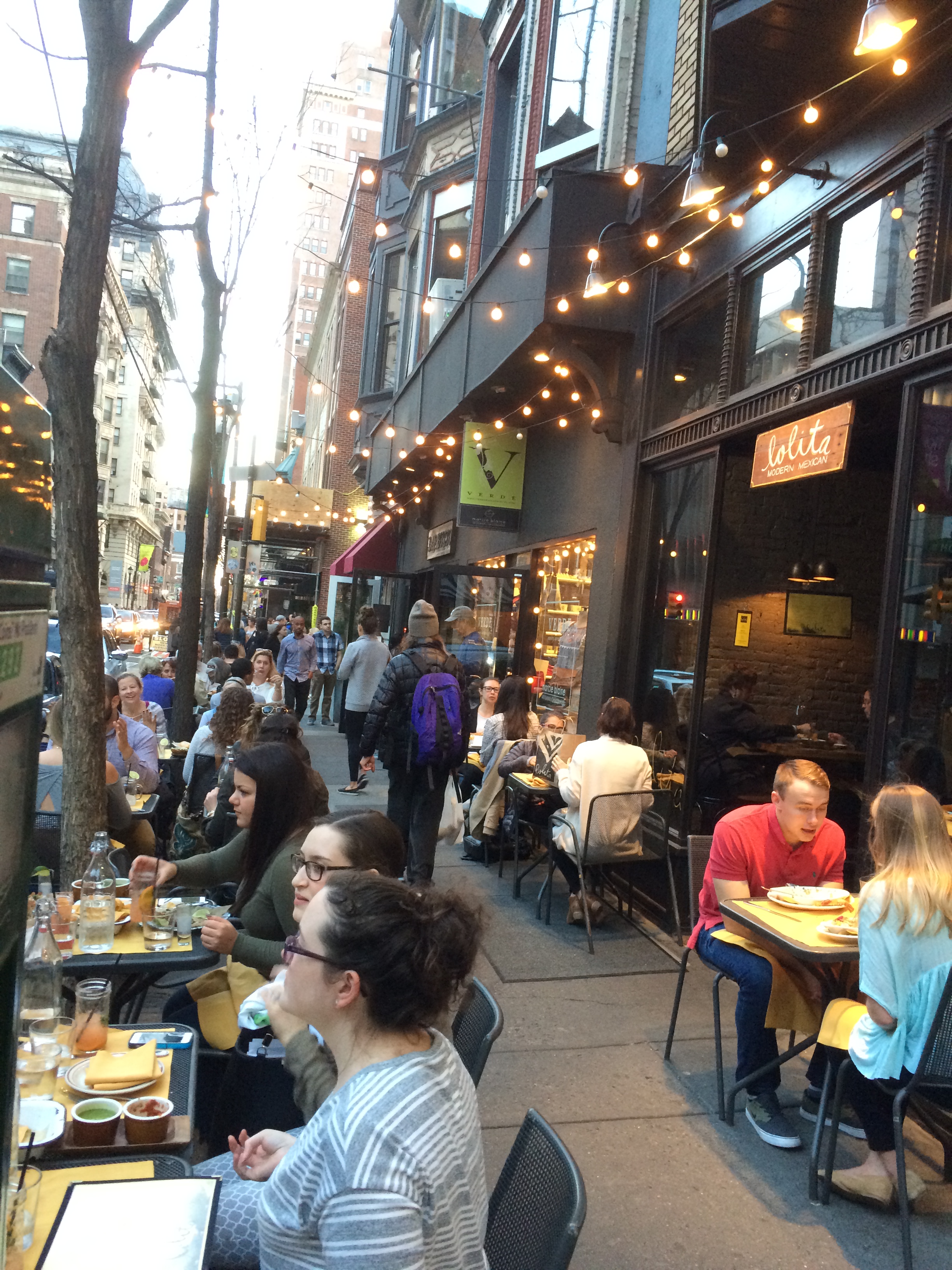
img_1472On we marched, our final destination to be Fergie’s Pub, a two story joint where you go when you’re in the mood for bohemian funkiness and friendliness. The air outside was incredibly warm for a February 24, about 72° F, which enhanced Sandy’s and my good spirits. It also resulted in an unusual sight — slews of jacketless diners chowing down at sidewalk tables strung all along a stretch of 13th Street, one of The Little Apple’s restaurant rows. Cool. I mean, warm.


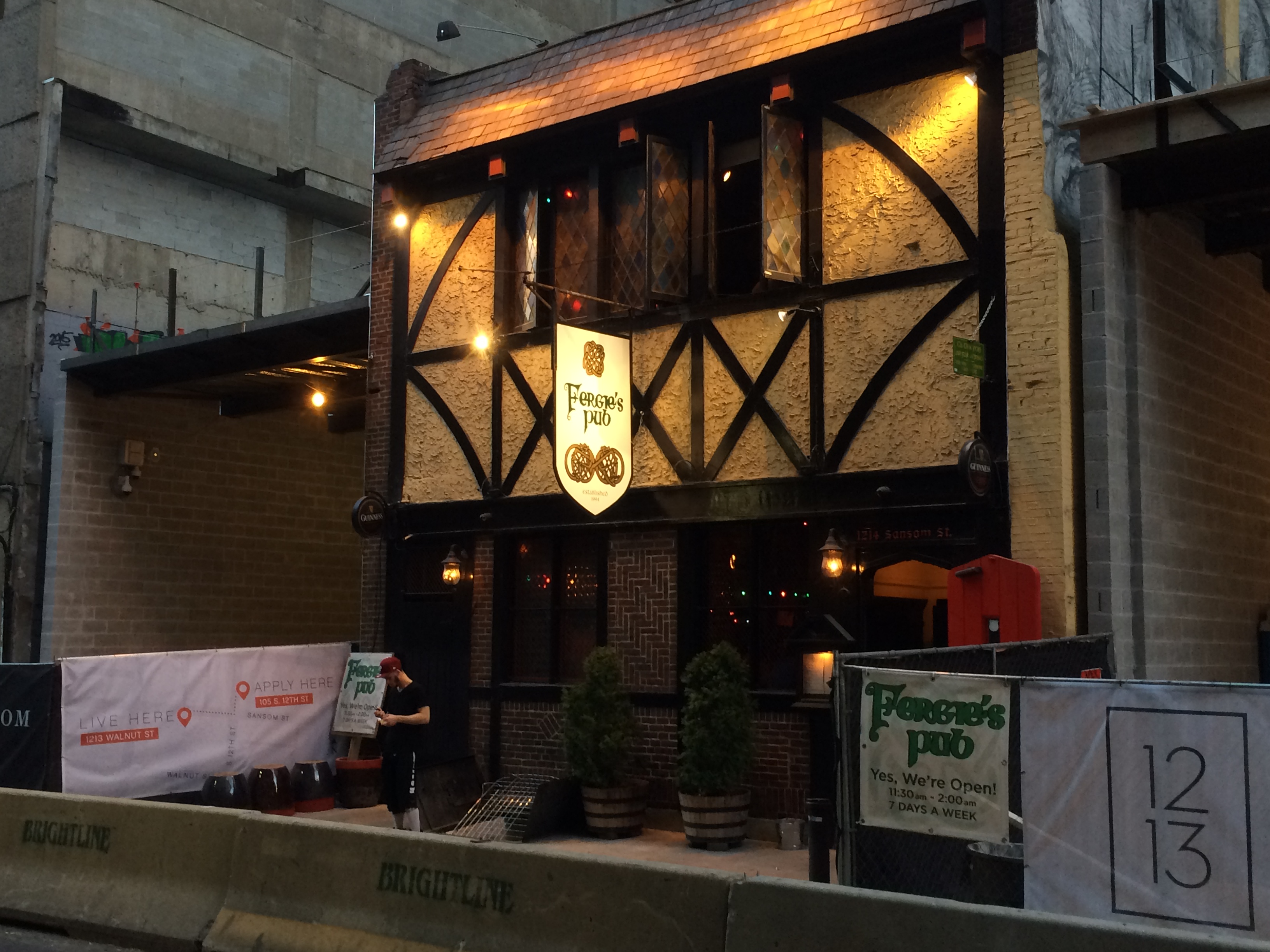
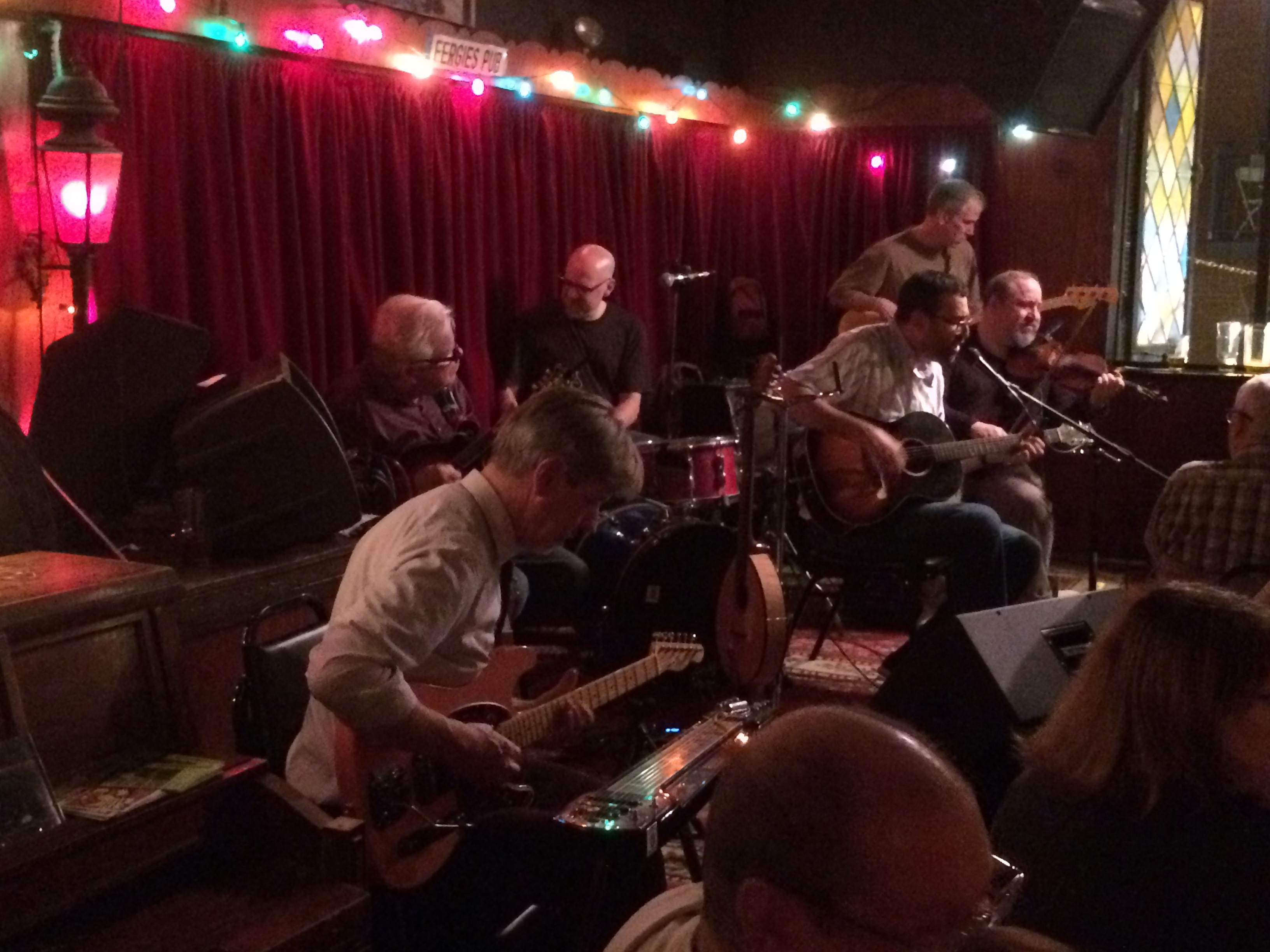
img_1475img_1478Ah, yes, Fergie’s Pub, a spot that totally agrees with me. Sandy and I had been there four or five times before, but not in the past two years. It’s a good place. The food is straightforward, tasty and fresh. The beers flow like wine, and vice versa. And on some Fridays, starting at 6 PM, a tight and soothingly rocking country-and-folk-flavored band that goes by the unlikely name John Train holds sway (click here if you’d like to be directed to JT’s website). John Train played two sets, each about 45 minutes in length, and had the jam-packed second floor room eating out of the palms of its sweaty hands. The group delivered a bunch of original tunes and some by Bob Dylan, Woody Guthrie, Hank Williams and the like (click here to watch a John Train performance at Fergie’s from earlier this year). The repertoire was powered by drummer Mark Schreiber’s low key but insistent beats and flourishes, and sent soaring by the wistful sounds flowing from Mark Tucker’s steel guitar and guest member Jay Ansill’s fiddle.

John Train is led by lead vocalist Jon Houlon, who sounds like a cross between Jerry Garcia and Arlo Guthrie, and who can banter with and throw goofy barbs at audience members like nobody’s business. The guy is a natural riot. He told a joke that I feel obligated to pass on to my readers. Between songs near the end of the second set, as Sandy and I finished up our turkey burgers, suds and vino, Jon Houlon said this to the audience: “You know The Rolling Stones song Get Off Of My Cloud?  . . . ‘Hey! You! Get off of my cloud’ . . . Well, did you ever hear the Scottish version? . . . ‘Hey! McCloud! Get off of my ewe.'” In my book, that’s a very good one.

You know, I’ve been dancing and prancing in Philadelphia for over four decades, which is most of my adult life, and I’ve yet to get tired of the routine. The day may come when I will, but I’ll worry about it then.

(Don’t be shy about adding your comments or about sharing this article with others. Or about signing up to follow this blog. Thanks.)
(If you click on any photo a larger image will open in a separate window)

Girl-Watching (A Philadelphia Museum Story)

It can take me forever to get around to tackling projects and situations, big or small. Half the time I never — and I mean never — place them in the completed bin. Hell, probably that’s the way a hefty percentage of us humans roll. I take comfort in believing that I’m far, far from being alone in excelling at procrastination.

Which is my four-sentence preface to announcing that I finally am getting around to knocking a certain something off my to-do list that has been sitting there for nearly two years. I began this blog in April 2015 and almost from the start had it in mind to write a story about La Salle University Art Museum, a little-known institution in Philadelphia on the cute campus of La Salle University. Man, my psychotherapist will be so proud of me for bringing this story idea to fruition. “Neil,” he said at our most recent session, “sometimes I think you enjoy being stuck in cement.” I pondered that for a second and then said, “You’re oh so right, Doctor Cortecks. And, believe it or not, my wife figured that out on the day we met. Which is why she nicknamed me Jimmy. As in Hoffa.” Doctor Cortecks liked that crack so much he waived the session fee.

Anyway, returning to reality, a week ago Tuesday, on a most unseasonably balmy afternoon, I decided that a visit to LSUAM was in order. I hadn’t been there in several years and was in the mood for staring at attractive objects. So, into my car I climbed and headed south from my suburban abode, pretty quickly reaching the nothing-special section of Philadelphia in which La Salle University occupies space and time.

img_1366As I mentioned, La Salle’s campus is cute. And as I walked through sections of it on my way to the museum I had my eyes open for cute girls, girl-watching being one of my fave activities despite my certified status as a semi-ancient geezer. Sadly, I saw only one or two, as the grounds were strangely low on people of either gender. But that was OK, because my plan was to check out the ladies at the art museum . . . those on display, that is. It seemed like not the worst idea in the world to take long looks at the paintings and sculptures of females, and to breeze past all the others. And that’s exactly what I did.

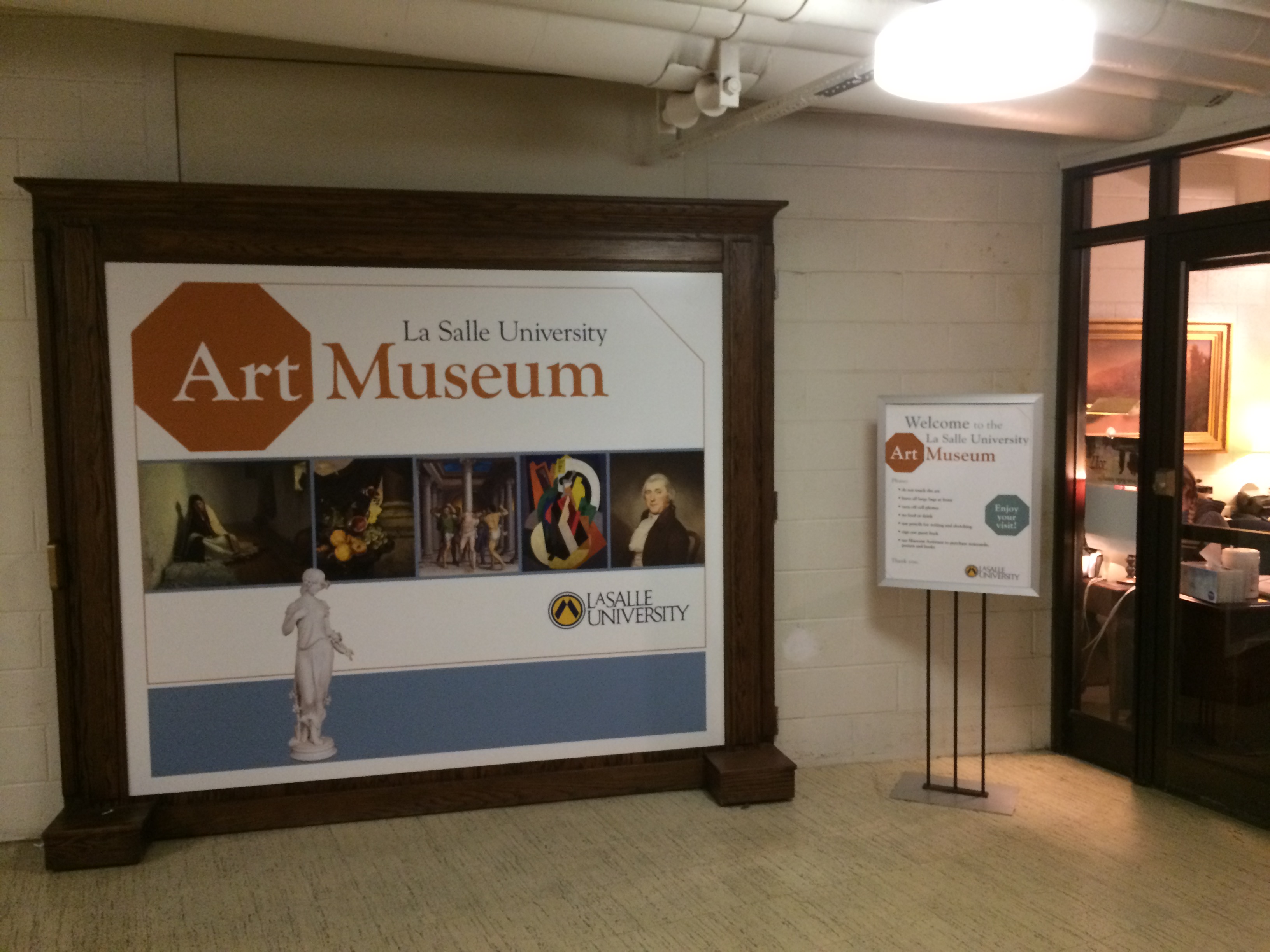
img_1370La Salle University Art Museum is tucked away in the basement of a nondescript building primarily filled with classrooms. The museum is small, seven or eight modestly-sized rooms and a couple of hallways, and its contents are quite good. Me, I like museums of this sort where you don’t have to spend half your life examining the wares. To art lovers in the Philadelphia region I recommend a visit. You’ll get to see beautiful stuff, from ancient times to the present, by famous folks (Tintoretto, the Renaissance great, for crying out loud; Jacob van Ruisdael; Henry Ossawa Tanner; Alex Katz) and lots of equally fine pieces by artists you’ve probably never heard of (click here to find the museum’s website).

I suppose I gazed upon 50 or 60 artworks depicting females. And as I gave some thought to my story theme afterwards, four of those depicted women tapped me on the shoulder and suggested I write a few words about them. I’m often eager to please, so I’ll take them up on it.

img_1379To begin, I was wowed by the natural charm and beauty of Father’s Return, painted around 1850 by Harriet Cany Peale, a Pennsylvanian. In the painting, two kids are excited as can be by the sight of their dad walking towards the homestead. He has been away on business or whatever, probably for several or more days. His wife, though, isn’t looking at him. Instead, her eyes are focused on and dripping with love for her young daughter held in her arms. Hey, hubby can wait! Peale swamped the painting with browns and muted greens. There’s nothing flashy except for the little girl’s orange dress and the mother’s bright lips. Amidst all of that, though, it was the mother’s eyes, nothing more than large, dark dots, that I found myself drawn to. They say a lot.

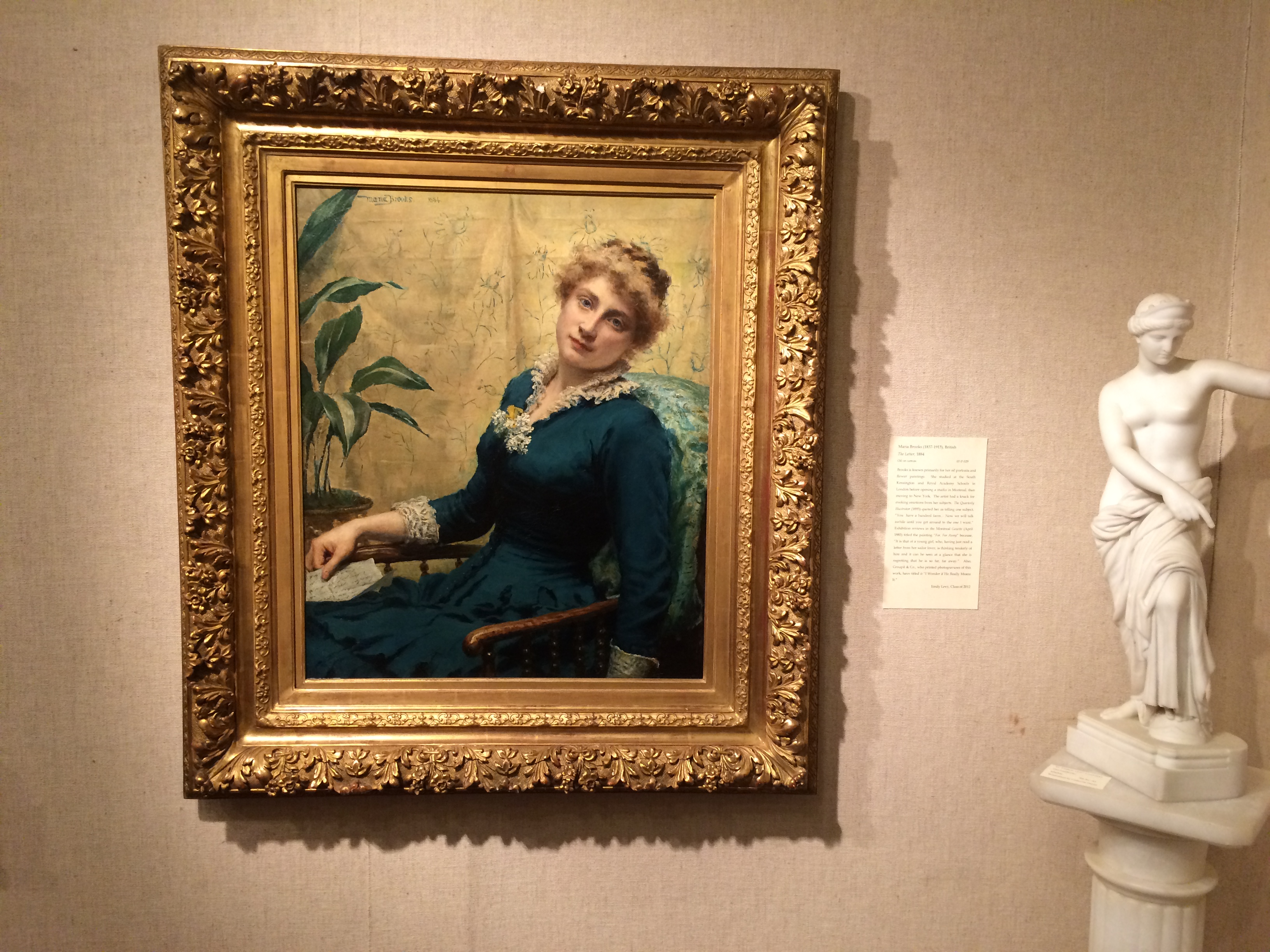
img_1384The lady featured in Maria Brooks’ The Letter shows us a gaze of another sort. Brooks, a Brit, painted her in 1884.  As the story goes, the woman in question has just read a letter from her seafaring sweetheart. And she misses him plenty, as the aching numbness in her eyes makes most clear. This to me is a really lovely painting. Its tight framing, the limited choice of colors, the way the letter reader’s faintly pink skin melds into her surroundings, are parts of an excellent balancing act. The picture made me feel kind of wistful, which is what I’m sure Brooks meant it to do.

Gazes, eyes and lips . . . we’ll wind up these proceedings with some more comments about them, because I was struck by similarities between two works, a painting from about 1930 by the American modernist Alfred Maurer, and a small wooden sculpture made at an unknown point during the 1900s by an uncredited artist in Africa’s Ivory Coast.

img_1407img_1420

Maurer’s oil, titled Woman In A Window, is heavily in debt to Cubism, the fractured take on things pioneered by Pablo Picasso and Georges Braque in the early 1900s. Sure, this lady ain’t about to win any beauty contests, but I found her loveable. She’s a happy individual. Just look at those big, smiling eyes and the lips giving out an ooh. I’m going to guess that she’s looking through the window at a fun event, maybe a parade, maybe a bunch of children playing games. And, in my view anyway, the window lady has a close relative at the museum, a sister. Needless to say that’s the woman of the African sculpture, who displays not quite but almost the same expressions as Maurer’s heroine. I saw amazement in her eyes and wonder on her lips. She’s not showing her inner feelings as much as Maurer’s gazer, but she is no less enthralled by whatever it is she’s looking at.

Well, there’s plenty to be said for spending time with works of art. They are open to all sorts of interpretations. They can make you think, make you feel swell, not so swell and everything in between. I drove home from La Salle University Art Museum with more than a few notions and emotions skipping around in my little ol’ head.


(Don’t be shy about adding your comments or about sharing this piece with others. Thanks.)

(If you click on any photo a larger image will open in a separate window)