You Gotta Have Fun: A Cannoli Story

My wife Sandy and I go out to dinner most Friday and Saturday nights. We’ve been doing this for years, and know that we’re fortunate as hell to be able to indulge ourselves in this way. The majority of those meals take place in the suburbs of Philadelphia, Pennsylvania, USA, which isn’t surprising, since we reside in those burbs. And once or twice each month we head into Philadelphia, a city with many fine aspects, including a pulsating restaurant scene that, like the universe, keeps expanding. Each of our Philly visits includes dining in a restaurant or pub. The abundance of good eateries is one of the reasons why I’m a major fan of The City Of Brotherly Love.

Sandy and I consider dining out to be a form of entertainment. It’s fun. Two Fridays ago (November 7th), in the burbs, we chowed down at a restaurant we’ve been to a lot: Anthony’s Coal-Fired Pizza. The Italian salad we ordered was A-OK, and the pizza that followed it earned, on my scale, a 6.8 out of 10. That’s pretty high praise from me, because I’m a pizza snob.

The salad and pizza filled us up quite nicely. There was no room for dessert, certainly not for cannoli, a not-on-the-light-side Italian pastry, which Sandy, almost in passing, mentioned was on the dessert menu. Cannoli — crispy, tubular shells of dough stuffed with one variation or another of a ricotta cheese filling — can be scrumptious. When the word cannoli left Sandy’s mouth, my mind lit up, and I found myself reliving a sublime gastronomic experience. Namely, the cannoli I’d swooned over a year or so previously, for they were perfection, at Little Nonna’s, an Italian restaurant in downtown Philly that’s hard to get into unless you’ve reserved a table at least several days in advance. I hadn’t eaten any cannoli since then. But the signs were clear. It was imperative that I interact with Little Nonna’s cannoli again. And soon. Damn soon. The next night, in fact, would be ideal.

Thus, as we were preparing to pay the bill, I said to Sandy that, when we got home, I was going to see if Little Nonna’s, by some miracle, had a table available for the following evening. The odds were low, but miracles, I hear, have been known to occur. The cannoli gods were with me. Back at the house, I couldn’t believe my eyes when Litte Nonna’s online reservation service offered a table for 7:00 PM on Saturday. I nabbed it. Cannoli, here I come!

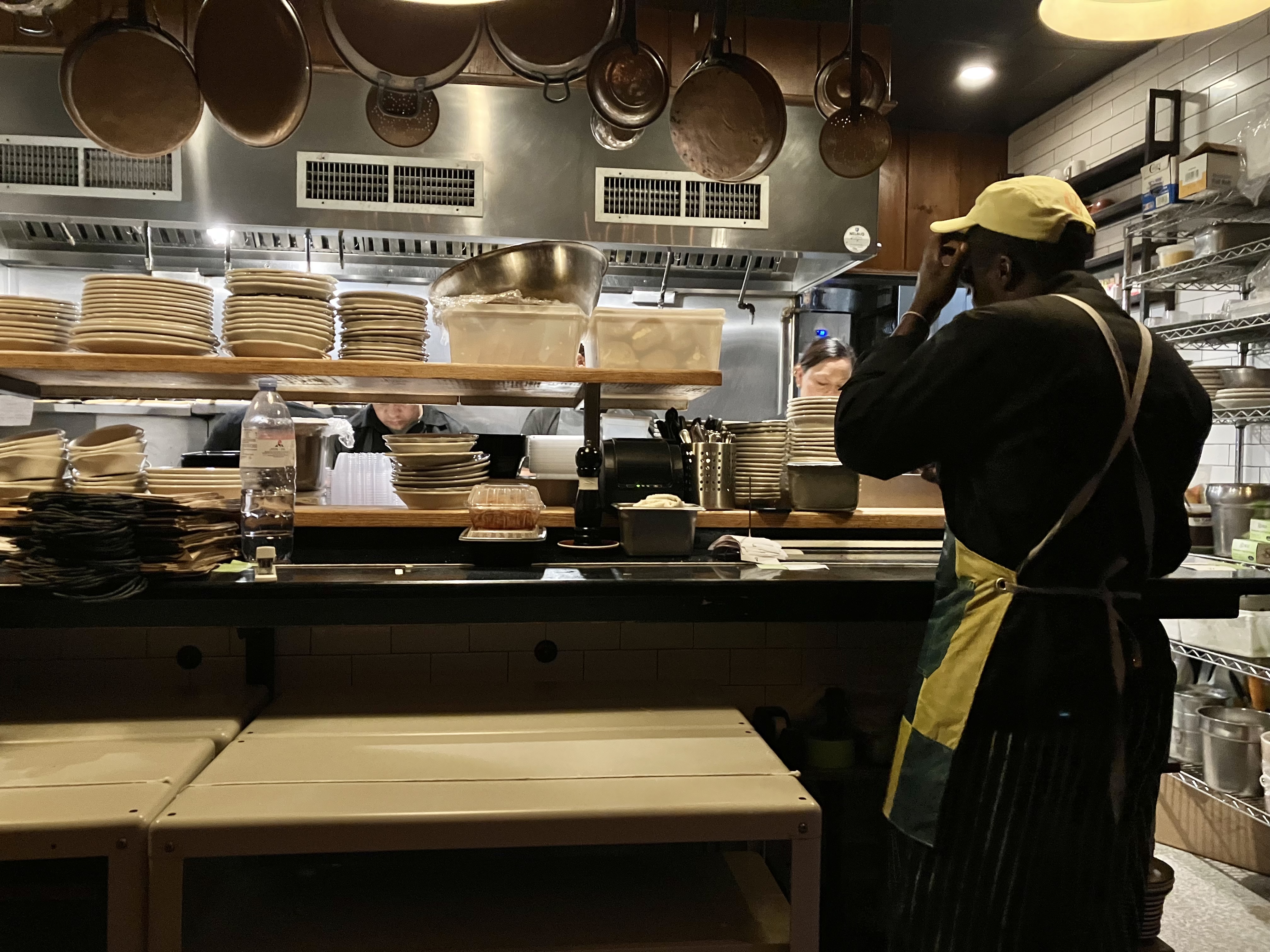
Little Nonna’s
Little Nonna’s

We arrived at Little Nonna’s from a Philadelphia movie theater, where we’d seen Blue Moon, a literate and really good drama about Lorenz Hart, the brilliant but troubled lyricist whose songwriting partner was the composer Richard Rodgers. Little Nonna’s is a cool place. Dimly lit, casual and full of life. Sandy and I enjoyed the heck out of the salad we shared. Ditto for our entrees. The chefs there know what they’re doing.

Cannoli at Little Nonna’s

One hour into the meal, the long-anticipated moment was at hand, as a plate holding two cannoli was placed before us. They were a vision and also deelish. The hazelnut bits, chocolate sauce and powdered sugar saw to that. But were the cannoli fully as good as those on the previous occasion? You better believe it! My idea to revisit Little Nonna’s was one of the best I’d had in a long while.

As we all know all too well, our lives zoom by. That’s why it’s important to have fun on at least a fairly regular basis. Anything less than that means we’re not in the best of shape. If I hadn’t followed through on my goofy cannoli-related impulse, I’d have missed out on a fun-filled mini adventure. Which would have been a shame. For most of my adult life, I’ve been a frequent fun-pursuer and a usually successful fun-attainer. I have no plans to change.

It’s A Wonderful Life . . . Or Is It?

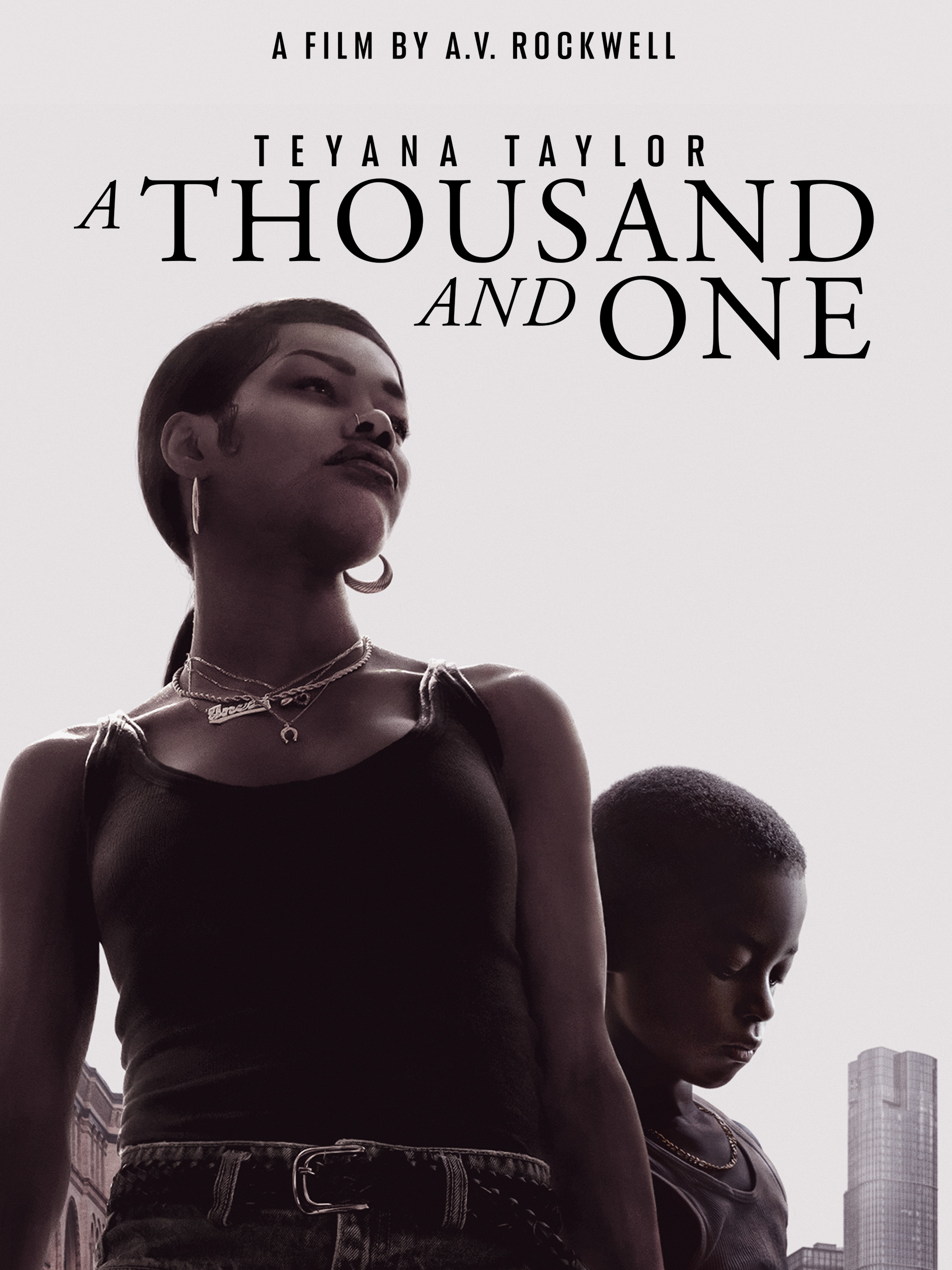
My better half and I jointly watch an hour or more of television fare five or six evenings each week. Mostly we dial up series, with the occasional movie thrown into the mix. During the second half of December, however, we went movie-crazy, by our standards, what with five flicks passing before our eyes. In chronological order, they were: A Thousand And One; A Million Miles Away; Maestro; Rustin; It’s A Wonderful Life. All came out last year, excepting It’s A Wonderful Life, which, since its release in 1946, has ascended to an exalted status reached by few films. I’m now going to devote a few words to it and to A Thousand And One, as they, unlike the others on the list, seem to be in no hurry to fade from my mind. They made a strong impression on me and got me thinking.

I’d seen It’s A Wonderful Life once or twice before, but not in ages. Not blessed with the world’s finest memory, I might as well have been viewing it for the first time last month, so few of the scenes did I recall. Well, all I can say is, “Wow!” IAWL deserves its immense popularity and the high esteem millions of folks hold it in. This is a great movie, one that pulls at your heartstrings and does its darnedest to make you believe in the basic goodness of humankind. Hats off to that.

Frank Capra, also of Mr. Smith Goes To Washington and It Happened One Night fame, directed It’s A Wonderful Life. For those of you who haven’t seen the film, be aware that spoilers lie ahead. I’m confident they won’t lessen your enjoyment should you choose to view it.

IAWL tells the tale of George Bailey (played flawlessly by James Stewart), a generous, caring individual who discovers that his company, through no fault of his own, suddenly is on the verge of bankruptcy. Distraught, and finding no way to right the sinking ship, he decides to put an end to his earthly existence. The money his wife Mary (the superb Donna Reed) then would collect from his life insurance policy would keep her and their children sheltered and fed for a long while.

Moments before George is about to carry out his plan, a heavenly force — Clarence, a low-level guardian angel trying to earn his wings — intervenes. Clarence’s efforts, and those of Mary, save the day. George learns that his importance to his family and community is immeasurable, and that his many friends truly love him. Anyone whose heart is not encased in granite will find themselves tearing up at It’s A Wonderful Life’s happy ending, an ending that implies that never again will George allow despair to conquer him. George will be okay.

But will Terry, a main character in A Thousand And One, be okay? That’s a worrisome unknown in the powerhouse drama written and directed by A.V. Rockwell.

We first meet Terry (played by three actors, one for each time period the movie covers) in the mid-1990s. He’s six years old at that time, a foster-care child lonely for his absent mother Inez. Portrayed with swagger by Teyana Taylor, Inez is armed with eyes that don’t miss a thing.  She is barely into her twenties and always has lived on society’s edges. Inez re-enters Terry’s life after being released from prison, soon taking him, illegally, from his foster parents. For the next eleven years she tries as best she can to raise him. Ultimately, however, circumstances catch up with them big-time.

A Thousand And One pulls no punches. Set mostly in New York City’s Harlem section, it often is as gritty as a sandstorm. I’ve given away much of the ending of It’s A Wonderful Life. I won’t do the same with A Thousand And One, whose concluding scenes I didn’t see coming. Those scenes left me concerned, not for street-savvy Inez’s prospects, but for those of shy and gentle Terry. For the most part, I’ve led a stable and comfortable life. A Thousand And One has me counting my lucky stars.

What a world we live in. So much poverty and inequality. So much violence and emotional trauma. So much intolerance, indifference and deception. That’s the way things always have been. And, I believe, always will be. There also is beauty in our world, of course. And love and joy and kindness. It can’t be denied, though, that life is a very rocky road for multitudes of people. Too many Terrys, and other unfortunates, are out there. If only it were otherwise.

A Love Story

A few weeks ago I published a piece that for the most part was a meditation on joy, a commodity without which our lives, to put it mildly, would blow. Seeing that I’m a f*cking softie at heart, I’ve decided to turn my thoughts now to another precious emotion, the greatest of them all, for it sustains and usually nourishes life, giving us reason to go on. I’m talking, of course, about love. Sure, The Beatles overstated things when they sang “all you need is love.” But they weren’t too far off the mark, as there is no doubt that the following is true: If an individual doesn’t feel love for at least one other human being (or pet, I hasten to add), they are in a most unenviable position.

Now, I’m not exactly an expert when it comes to matters of the heart. I know that for a fact because nobody in my seven-plus decades of residing above ground ever has asked my advice on the subject. Come to think of it, just about nobody ever has asked my advice on any topic or situation. Man, I should start an advice column called Maybe Neil Sort Of Knows, So Give It A Shot And Ask Him. That would show ’em how deep my font of quasi-wisdom is!

Anyway, getting back on track, what else might I say about love? Well, it’s innate, in most cases blossoming automatically between parents and their children, to mention one obvious example. But it sure doesn’t blossom automatically between everybody. That’s a main reason why it can be so difficult to make true friends, to find a partner to spend your life with, and to keep the fires burning with said partner after you’ve found them. Yup, love is a powerful force, but cultivating it properly requires skills that many do not master adequately, if at all. When we allow love to bubble within us consistently, though, our lives are much the better for that.

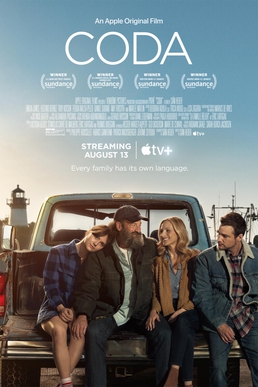
Love probably wouldn’t be on my mind so much were it not for the movie CODA, which my wife Sandy and I saw at a cinema early this month a few days after it grabbed the Oscar for Best Picture. It’s still in some theaters, by the way, and is streaming on Apple TV+ too.

CODA is a tale that revolves around Ruby, a high school senior who is the only hearing member of a family of four. She is devoted to her parents and brother and, in addition to attending school, spends mucho hours each week working on the fishing boat that her dad and sibling operate in order to put bread on the table. Whew! This girl, who also sometimes acts as an intermediary between her deaf kin and outside parties, has a whole, whole lot on her plate. Ruby’s life becomes even more complex when she is encouraged at school to develop her vocal skills and pursue a music career. This new element becomes the movie’s fulcrum.

Sandy loved CODA, which is an acronym for child of deaf adults. She thinks it’s very great. Although I found CODA too formulaic to be placed on a pedestal, I enjoyed the hell out of it. It’s an old-fashioned sort of story that I’m certain would move anyone whose heart is not fashioned from stone. Why? Because CODA, at its core, is all about love, the kind of love that holds steady, not wavering even for a moment. What’s more, there’s nothing sappy about the love on display in CODA. A tight screenplay by Sian Heder, who also directed the flick, and four actors who tap into genuine places within themselves, see to that. Hats off, then, to Emilia Jones, who plays Ruby, to Marlee Matlin and Troy Kotsur (Ruby’s parents), and to Eugenio Derbez (Ruby’s music teacher).

I’ll close this love-centric essay on the right note, by presenting Beyond, a love song sung and co-written by Leon Bridges. Sweet and sultry as you could hope for, Beyond very well might put you in the mood to . . . yo, I don’t need to tell you where this sentence is headed. I accept your thanks in advance!

A Movie, Dinner, And A Walk On Darkened Streets

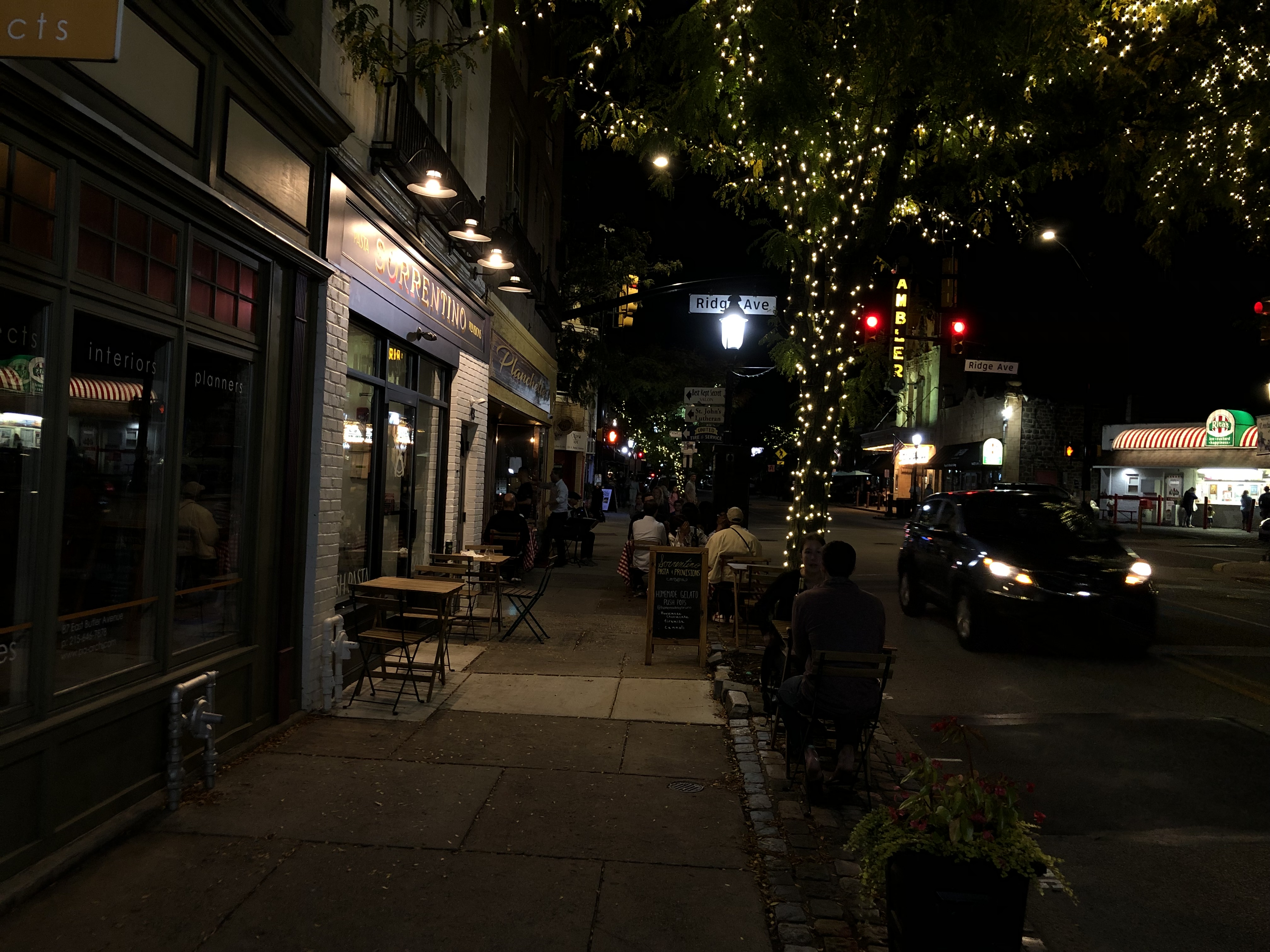
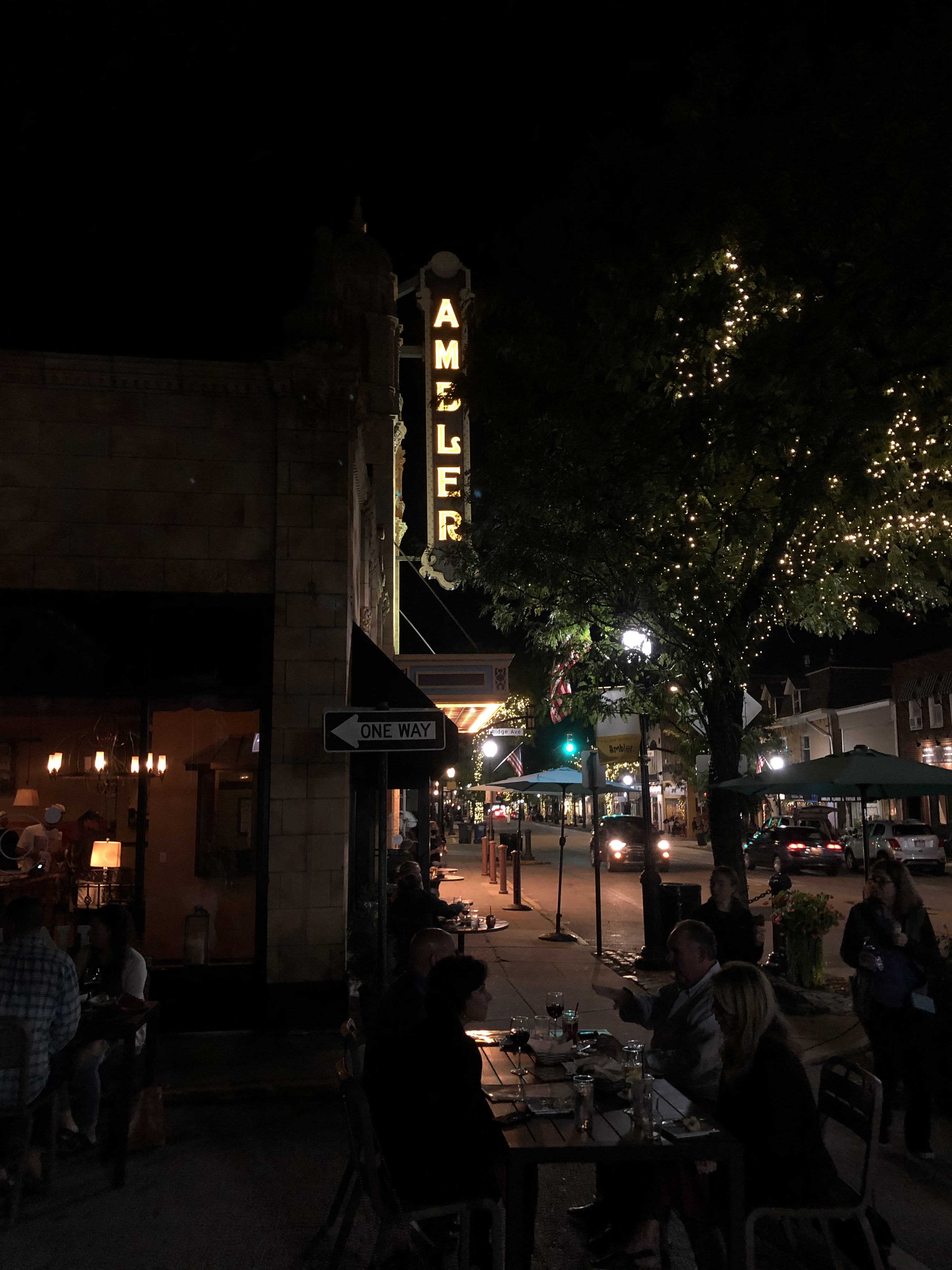
There we were last month (we being my wife Sandy and myself) in Ambler, Pennsylvania for a late-afternoon movie followed by an early-evening dinner. Ambler, a cute town in the Philadelphia burbs, suits us just fine. We’ve dropped in dozens and dozens of times over the years because its Ambler Theater, an art house cinema, books plenty of films that we want to see, and eateries galore are strung along its blocks. Yeah, Ambler is right up our artsy and gastronomical alleys.

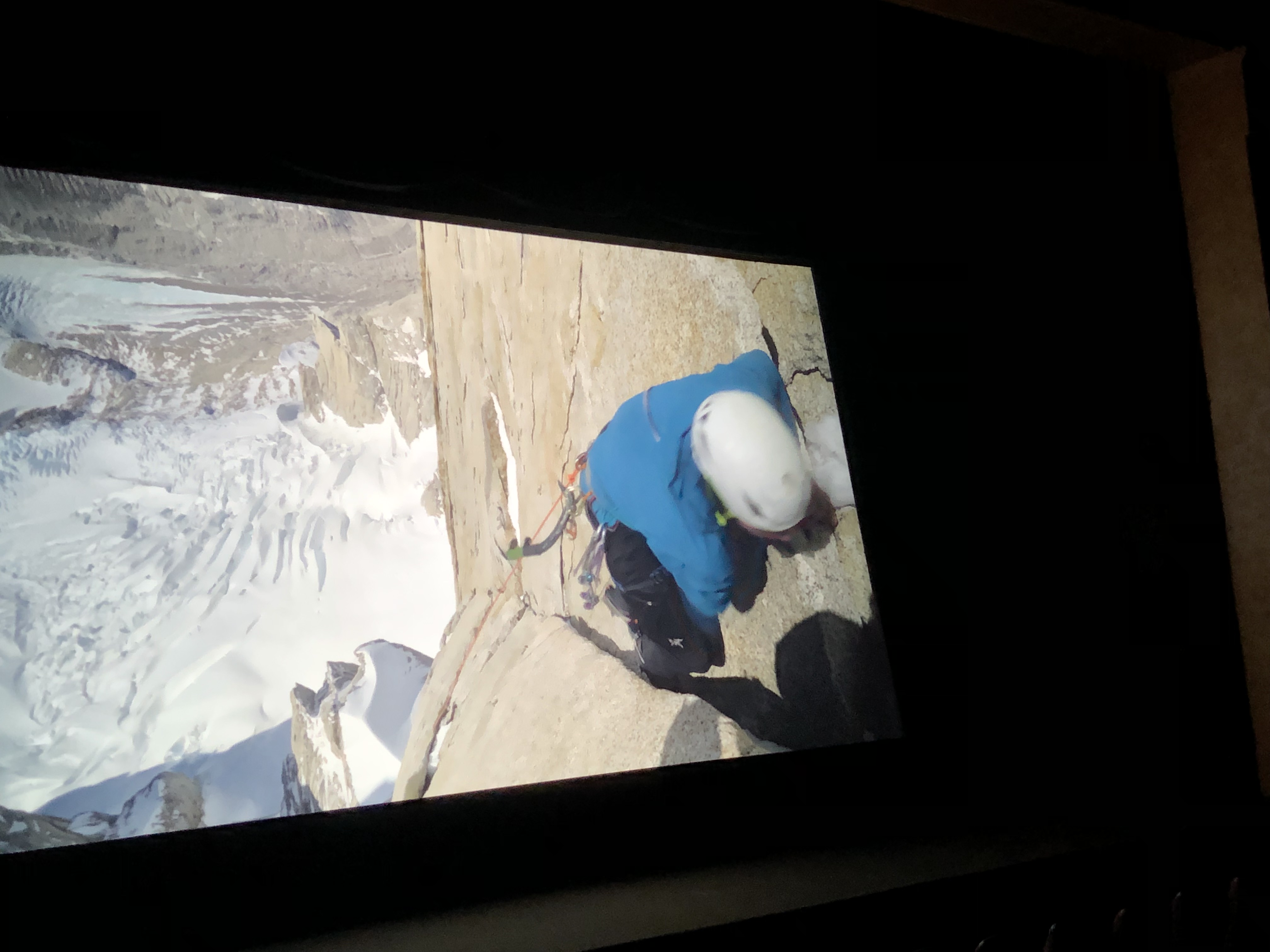
A scene from The Alpinist

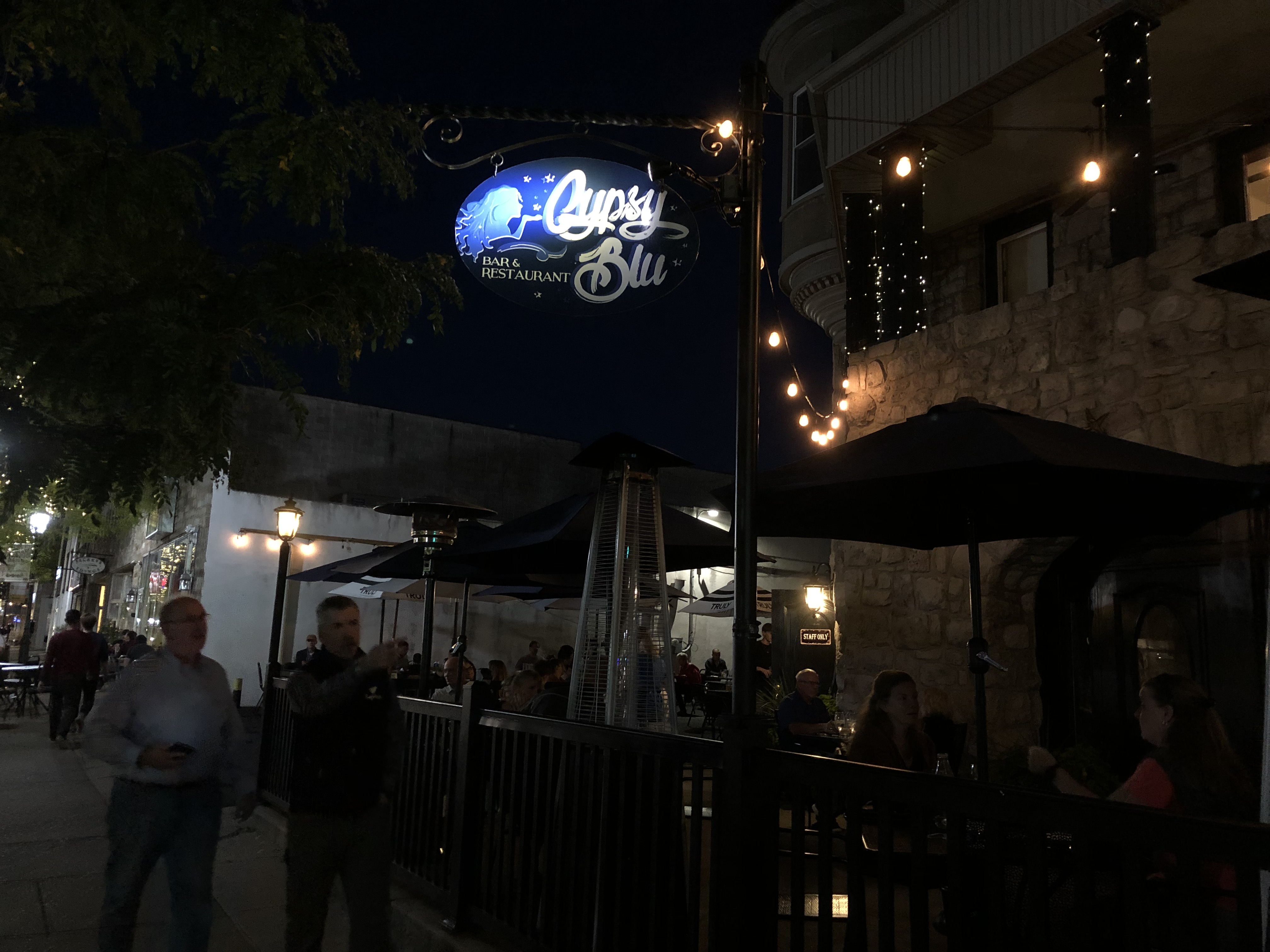
Well, the movie, a documentary about Marc-André LeClerc, a publicity-shy mountaineer, is damn good. It’s called The Alpinist (alpinists attack mountains with gusto, rather than using the more traditional methodical approach). Dinner, indoors at Gypsy Blu, a venue with enough variety on its menu to please the curmudgeons among us, hit the spot too. I had a beer and an eggplant parm sandwich, Sandy a glass of wine and a turkey burger. I bow down to the junk-food gods for the addictive house-made chips that came with each plate.

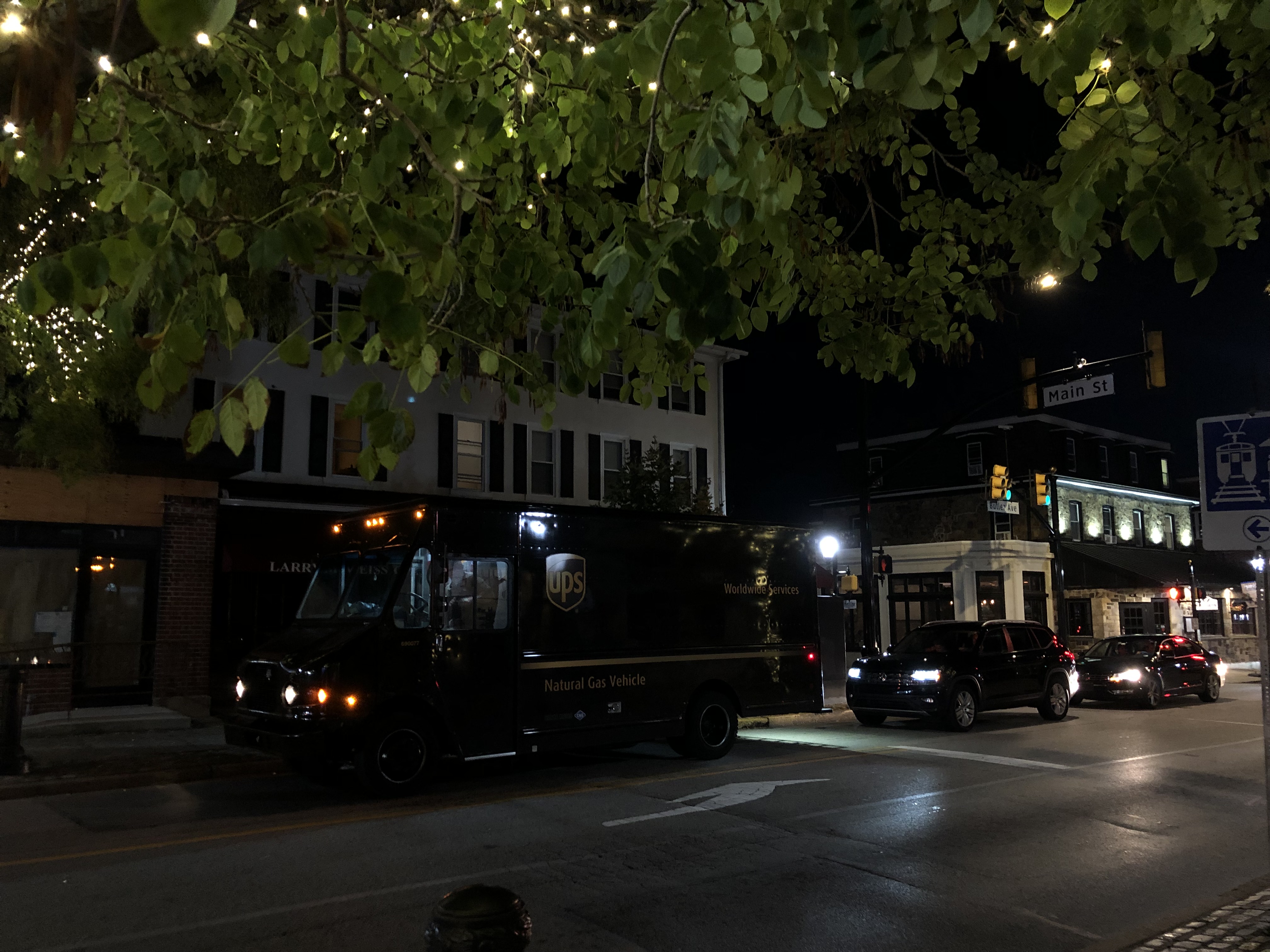
Butler Avenue, which is Ambler’s main drag

What awaited us after dinner was a walk around town in the dark, something I’d suggested doing before we’d departed for Ambler. When we exited Gypsy Blu, though, Sandy almost at once recognized that she wasn’t dressed warmly enough for the evening’s chilly, and falling, temperatures. So, she headed back to our car and waited there. I wasn’t exactly bundled up either. However, being a man’s man, in my dreams if nowhere else, I forged ahead.

Butler Avenue
A view from a side street

Now, it’s not as though I never go for walks at night. I ring up 20 or thereabouts nocturnal strolls each year, I suppose. That Friday night in Ambler, however, seemed on the special side to me. The town’s main drag, Butler Avenue, on which most of the restaurants and bistros are found, took on the aura of a movie set, the darkness atmospherically softened here and there by restaurant and store lighting, street lamps and headlights. The movie set extended into the couple of side streets that I visited, where the wattage was even lower than on Butler. Gliding upon Ambler’s sidewalks, I felt as if I were the star of the scenes, an unobtrusive observer of the evening’s goings-on.

Butler Avenue
Butler Avenue

Unlike the side streets, Butler Ave. was buzzing. A whole lot of people were seated at the tables that, as a result of the pandemic, the town’s authorities had allowed restaurants to set up on sidewalks and in alleys. And most of the establishments were doing good business at their indoor tables too. The outdoor-diners’ energy was palpable, impossible not to absorb. My strides increased as I drank it in. Man, after a while I almost was floating. For sure, starring in a movie agreed with me. Watch out Hollywood! This wrinkled, age-spotted f*cker has his mind set on conquering you.

Getting back to a movie that actually is in distribution, I’ll say a bit more about The Alpinist, but only a bit, as having too much advance information about this flick isn’t a good idea, in my opinion, for anyone thinking of watching it. Here’s my main thought about The Alpinist: successfully scaling the unimaginably daunting structures that Leclerc is photographed tackling, especially the snow-and-ice-wrapped bad boys, is completely beyond belief!

Yet, of course, Leclerc was born to pull off one superhuman feat after another. Is there anything to be learned from his exploits? One truth, I think, is that, throughout history, nerves that are stronger than steel, and focus and talents that are totally off the charts, have been distributed to only a relative few.

The Alpinist possibly is in a theater near you. And, undoubtedly, it will make its way to a TV network or streaming service one day fairly soon. This movie blew my mind. It likely would blow yours too.

(Please don’t be shy about adding your comments. I thank you.)

TV, I Bow Before Thee!

Like everyone, I’m anxiously awaiting the day when a vaccine is created that puts an end to the pandemic that has sent us into the twilight zone. It will be fabulous to ditch the f*cking masks and gloves that make us look like weirdo safe crackers. Better yet, getting together with friends and relatives will be back on our agendas, and the outlook will be fair or better for those businesses that were able to survive the dark times. Until that day arrives though, the overall picture, I believe, will continue to be anything but pretty.

Fortunately, life has been okay for me and my wife Sandy since coronavirus struck our part of the USA in March (we live near Philadelphia). Nowhere near as okay as it used to be, but okay enough. You adapt as best you can, after all, and try to deal with reality decently.

Among other things, the pandemic has forced me to make major adjustments to time allocation, as many of what had been my normal, much-enjoyed activities are only memories right now. That’s because, for health and safety reasons, my volunteer jobs were suspended and most of the usual outside-the-home entertainment choices that Sandy and I indulged in (socializing, cinemas, music venues, restaurants, museums) are unavailable, for now anyway.

So, how have I, a lazy septuagenarian, been filling the 16 or so hours of freed-up time each week? Well, for one thing, the living room sofa and I see more of each other than ever before. Upon its sensuous cushions I while away the time, alternating between scratching my balls and twirling the five strands of hair that remain on the crown of my head. Yes, I’m proud to report that my fellas are hanging in there okay, considering my advanced age, and that the strands of hair look damn studly. Thanks for asking!

Now, the scratching and twirling account for about nine of the 16 hours, and largely are confined to mornings and afternoons. What about the other seven hours? In a word, television. You see, in early April I really began to miss the kicks I’d been getting for ages at concerts, cinemas, etc. This ol’ boy needed to get entertainment from somewhere. And I wanted to do that with Sandy, my partner in kicks-experiencing for lo these many years. Television was the obvious outlet.

It’s not that I’m a stranger to the tube. In fact, I once was a highly dedicated viewer. But that ended about 12 years ago. Since then I’ve watched TV mostly in shortish sessions and mostly late at night, compulsively and expertly flipping channels. That pattern now has expanded. Yeah, I’ve retained the late night regimen. But, in addition, several evenings a week at around 8:30 or 9:00, Sandy and I head upstairs to our bedroom, which contains the bigger and better of the two TV sets in our home. We then proceed to lose ourselves for an hour or more. Doing so is nothing new for Sandy, who always has racked up admirable numbers of evening hours in front of the home screen. But, as noted, it’s been more than a while for me.

And you know what? I love it! Laughing, gasping, oohing and aahing together has been fun. Together, of course, is the operative word.

And what have we watched? Good movies, such as The Two Popes, The Wizard Of Oz, Saving Mr. Banks,  and Standing In The Shadows Of Motown. And a not-so-good one, Roma, which won an Oscar as 2018’s best foreign language film but which left me blank.

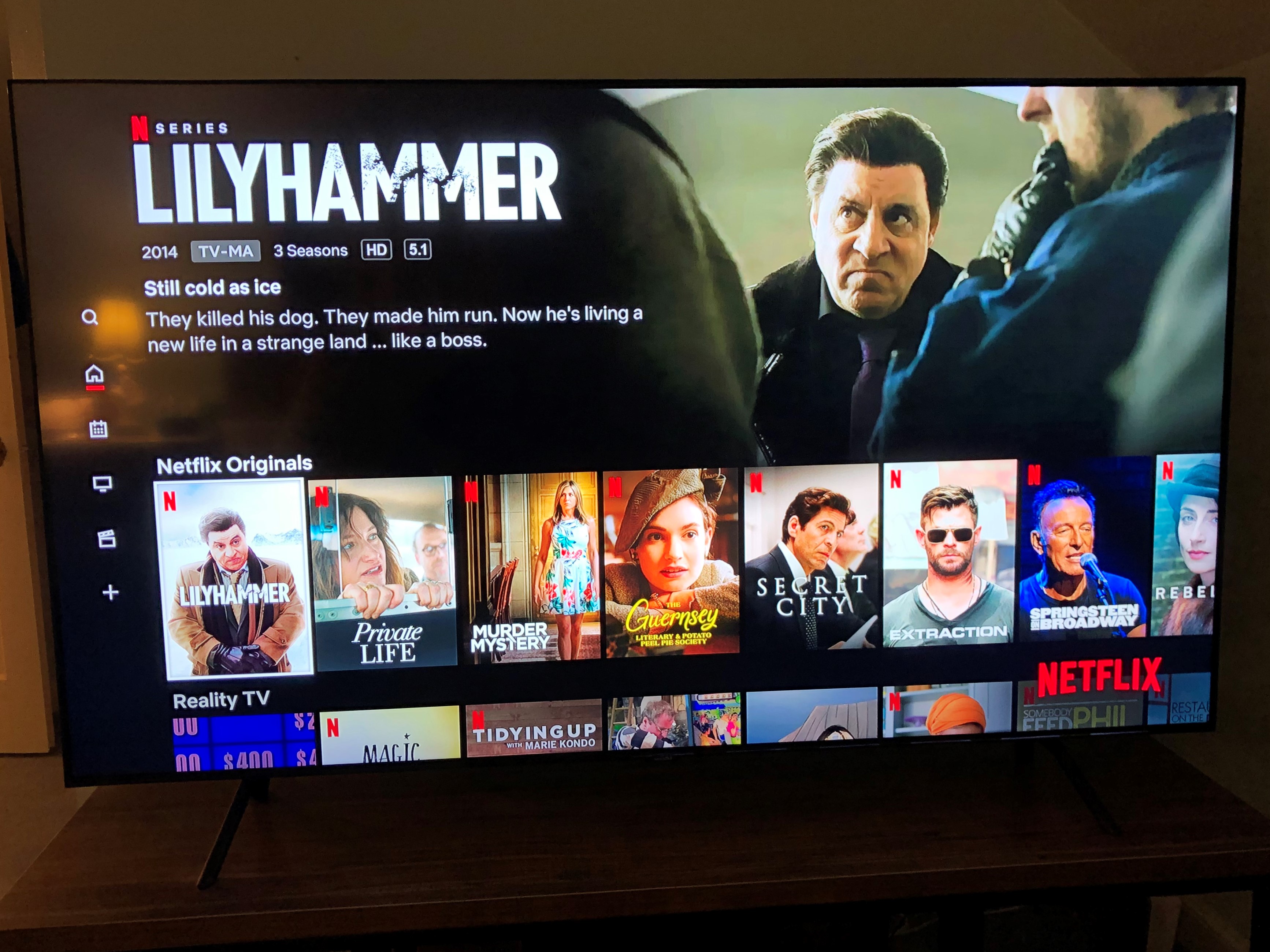
And entertaining series, two of them (Modern Family and Curb Your Enthusiasm) on network and premium-channel television. The others (Sherlock; Lilyhammer; After Life) were on Netflix, which has become one of my greatest pals. Man, we tore through the Netflix series zestfully, usually chowing down two episodes per sitting (no binge-watching for us, though. Maybe Sandy has the energy for that, but I don’t). And we’ve only scratched the surface of what the Netflix library holds.

Yes, without a doubt we’ll keep watching TV together till outside-the-house entertainment opens up, and probably not stop even then. I’ve learned that there’s a whole lot to be said for TV togetherness. I used to know that, but had forgotten. So, at least one positive development has come out of the pandemic.

Girls and boys, in conclusion let me say this: The last few months have been disorienting to most, probably all, of us. What adjustments have you needed to make as a result of coronavirus’ far reach? How do you spend the extra hours that you might have found yourself with? Finally, which shows and movies have you been watching on TV? I’d be glad to hear your thoughts about any or all of these items.

I’ve Got A Few Recommendations. How About You?

During our vacation on Cape Cod in October, my wife and I poked around the cute town of Chatham one fine, sunny afternoon. While my much better half busied herself in the aisles of a store or two, I went into the Chatham Orpheum Theater to try and find out which films would grace its screens in the upcoming weeks. Thumbing through the theater’s brochures at the ticket counter, I overheard a conversation taking place between the guy behind that counter and a patron. They were discussing literature, and one of them mentioned Cacciato. Man, I’d heard of Cacciato, so I opened my trap and said so.

“Are you talking about Going After Cacciato, the novel by Tim O’Brien?” I asked them. The ticket seller gave me what I interpreted as one of those Huh, this asshole knows about Cacciato? looks, but I wasn’t offended. Anyway, it turns out that the two fellows mostly had been gushing over another of O’Brien’s works, The Things They Carried. They briefly told me about the book, which came out in 1990 and, like Going After Cacciato, was inspired by the time that O’Brien spent in 1969 and 1970 as a soldier in Vietnam. It sounded intriguing. “Do you want me to write down the name for you?” the ticket seller asked. Indeed I did, and so he did. Into my wallet the slip of paper went.

Not long after I got back from vacation I borrowed The Things They Carried from a local library. I finished it last week. And I have to say that the gents were right. A series of interconnected, semi-fictional stories about the Vietnam War (pre, during and post), the work impressed me. It doesn’t glorify war, doesn’t dwell on battles. What it mainly does is lay on the table the emotions and mindsets of people attempting to deal with potential, immediate and imaginary dangers. You’ll find the good, the bad and the ugly in this book. And also the mysterious and the truly touching. In the best of the stories, O’Brien’s words come at you like the blows of a patient, precise boxer. Clearly, I recommend The Things They Carried.

Recommendations. There are a few other new ones kicking around inside me. And there’s no way I can contain them, so desperate are they to meet and greet cyberspace. With no further ado then, here they are.

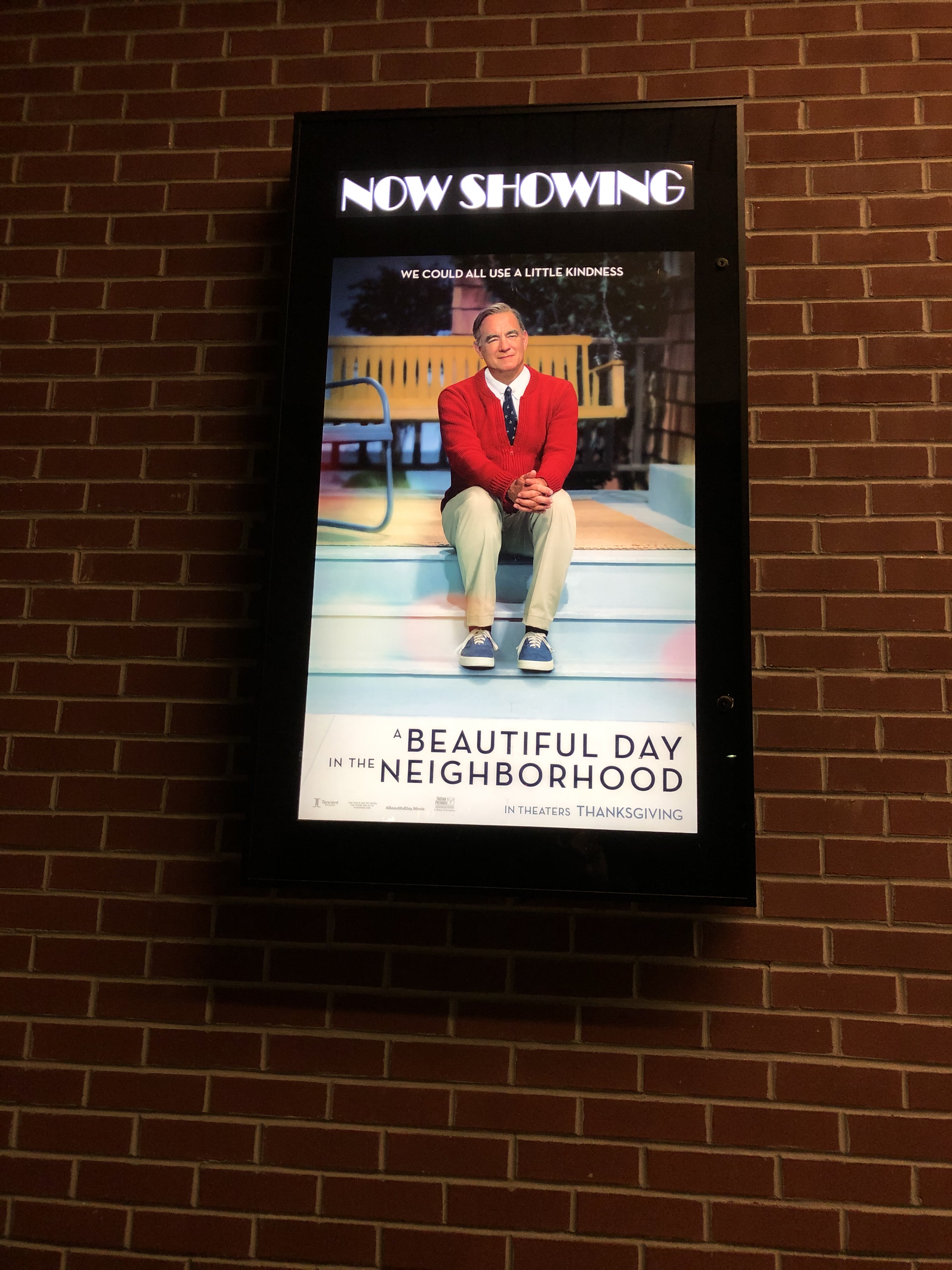
A biopic of sorts about the late Fred Rogers, host of the legendary kids’ show Mister Rogers’ Neighborhood, has just come out. A Beautiful Day In The Neighborhood is its name, and it stars Tom Hanks as Rogers. Now, I know that Fred was a strong force for decency and love. But his nasally voice, his sloooow talking pace, and his unnervingly calm manner never appealed to me. Nevertheless, my wife and I went to see the film a handful of moons ago. And I loved it. Having read no reviews in advance, I was happy to discover that it is not a typical biopic. Instead, it’s an imagined examination of the relationship between Fred and a cynical journalist named Lloyd Vogel, who is assigned, in 1998, to interview and profile Fred for Esquire magazine (the movie is drawn from the friendship that developed between real-life journalist Tom Junod and Fred).

A Beautiful Day rings very true. Hanks is Fred. And decency and love are largely what the movie is all about. Will Lloyd Vogel come to believe in the powers of Fred? I ain’t saying. Will Fred start talking faster and become the type of guy I’d want to discuss sports, music, food and girls with? Nah, but that’s more than okay. A Beautiful Day In The Neighborhood flirts with sappiness here and there, sure, but it got to me anyway. That’s because it gently aims for the heart and doesn’t miss.

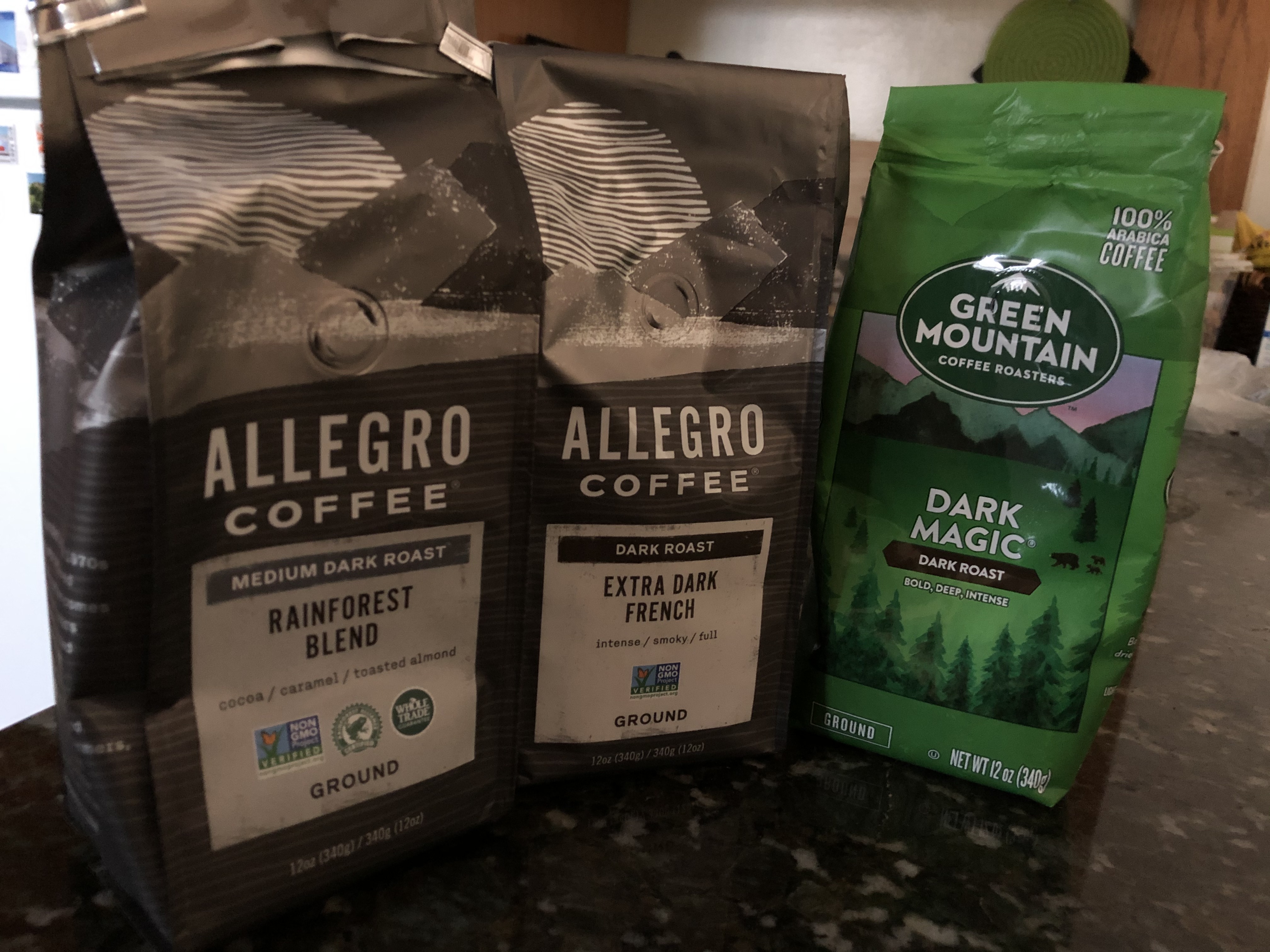
Hey, it’s almost dinner time in my household, so I’ve got to wrap this up. You know what else is good? Beers from Magic Hat and New Belgium breweries, that’s what. In November I bought variety packs of their robust, soul-satisfying ales. And I’m going to apply those same adjectives (robust; soul-satisfying) to the coffees that Allegro and Green Mountain coffee companies turn out. My wife and I are hooked on several of their roasts. I’m tempted to use the adjectives also to describe myself, but I’d be lying out my ass if I did. So, I won’t.

The ball is now in your court. What’s been ringing your chimes recently? Down below is a section where you can enter your comments.

Before I go, though, I have to mention and recommend a golden oldie — Bernadette —  that has been stuck in my head for a few weeks. I’ve heard it dozens of times in my life and always dug it. But when the tune came on the radio not long ago it walloped me like never before. Bernadette, by The Four Tops, was released in 1967. And it’s never gone away. Such a great song. The desperation in lead singer Levi Stubbs’ voice sends chills up and down my ol’ spine. I don’t like having earworms. But if I’ve got to have one, this is an excellent choice. Bernadette!

When Martin Scorsese Asked For My Help, I Obliged!: A Cinematic Story Of Sorts

Martin Scorsese (Photo by Jeff Vespa; copyright WireImage.com)

“Neil! It’s Marty. Do you got a minute? I really need your help,” Martin Scorsese, the titanic film director, said to me a few days ago. He was calling from his production studios in Manhattan, where he’s putting the finishing touches on The Irishman, a crime drama with an all-star cast that includes Robert De Niro, Al Pacino and Joe Pesci.

Yeah, yeah, yeah, I know what you’re thinking: How can a schlub like me be friends with a luminary like Scorsese? Maybe I’ll go into the details in a future article. For now, let me merely say that Marty and I first met, a few years ago, in a dream (click here to access that dream). Our relationship evolved and deepened organically from there into a real-life friendship.

Leonardo DiCaprio (photo credit: NASA/Goddard/Rebecca Roth)

“Listen, Neil,” Marty went on, “here’s why I’m calling. You know Leo, right? Leonardo DiCaprio? He’s been in a bunch of my films.”

“Sure, everybody knows who he is. But I never met him, if that’s what you mean.”

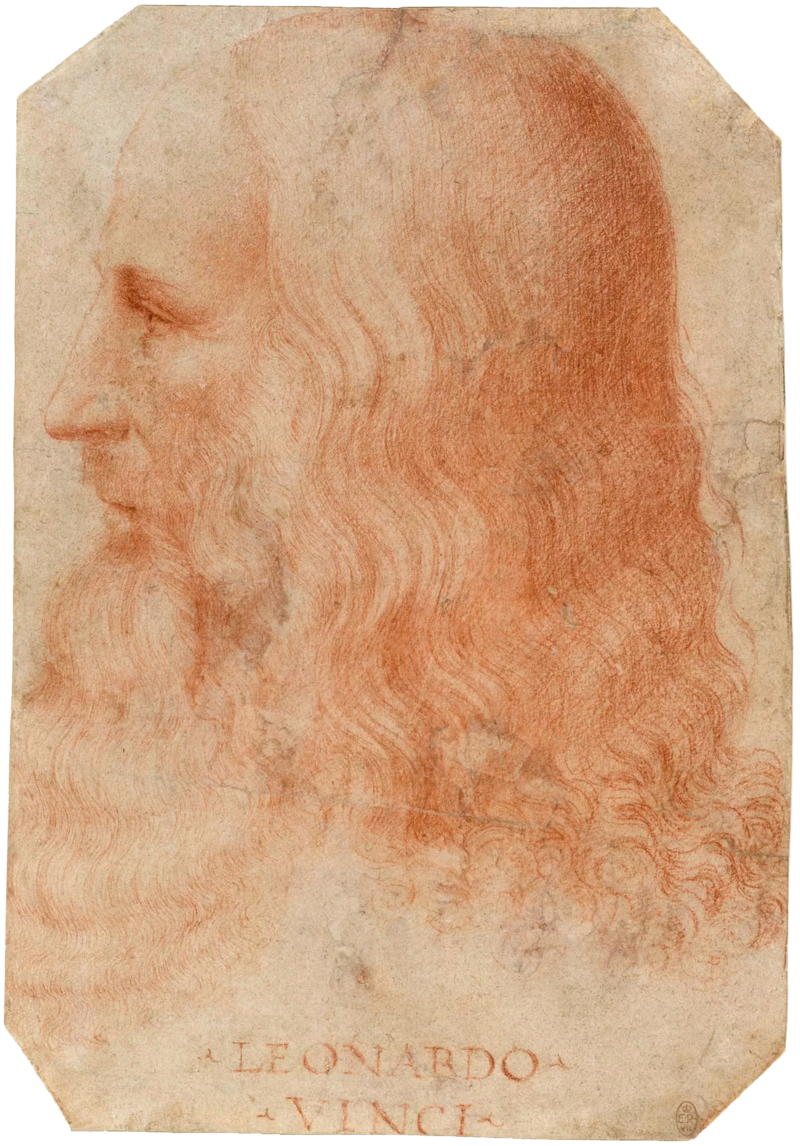
Portrait of Leonardo da Vinci (attributed to Francesco Melzi)

“Leo’s a great guy,” Marty went on. “Talented as hell. Smart as hell too, a genius in fact. That’s why, I suppose, I came up with this fabulous idea: DiCaprio should portray Leonardo da Vinci in a movie. One genius playing another genius. One Leonardo playing another Leonardo. Could anything be cooler than that? I love it, man! It can’t miss . . . except that I’m having trouble figuring out what angle the movie ought to take, what it should be about. A straight drama? Forget it. I’ve done enough of those. A comedy? Definitely could work. Picture this: Da Vinci would be a bumbler in the film, stumbling from one misadventure to another. The running gag would be da Vinci getting his humongous beard caught in a door wherever he goes. ‘Get me out of this hairy situation, I beg you! The f*cking door is stuck!’ would be his catchphrase.”

“Marty, that’s good. You can’t go wrong with a comedy. But you know what’s even better? A superhero movie, Marty, a superhero movie. Da Vinci was gifted as hell. He was a painter, an inventor, a scientist, a mathematician, a you-name-it. Shit, there was nothing that old boy couldn’t do. He was the Renaissance man of all Renaissance men.”

Marty cut me off. “I’m listening, Neil. And I like where I think you’re going with this. Tell me more.”

“Well, only the greatest Renaissance man of them all has what it takes to save the hub of the Renaissance — Florence, Italy — from two potentially catastrophic invasions. The first assault is by aliens, the second by zombies.”

“When the aliens, looking for all the world like seven-foot tall ants, descend upon Florence from a distant galaxy, in 1505, the city’s residents are thrown into a panic,” I continued. “But Leonardo da Vinci, a Florentine, stays cool, immediately putting his scientific know-how into use. Within an hour he invents a chemical spray that anything resembling an ant will be powerless against. Then he disguises himself with a Mona Lisa mask, whose enigmatic smile stops the invaders in their tracks. They’ve never seen such a smile before, and are nearly hypnotized by it. Spray bottles in hand, da Vinci now advances on the creatures, systematically killing them one by one.”

David, by Michelangelo (photo credit: Jorg Bittner Unna)

“‘All we wanted to do was steal Michelangelo’s statue of David from your city and bring it back to our planet,’ the alien leader says to da Vinci with its final breaths. ‘David’s hung like a horse, after all. Most impressive! The statue would have sat majestically in our supreme ruler’s palace. He’d have gazed at it admiringly and enviously, sometimes bemoaning the less-than-daunting size of his own genitalia.'”

“You’re on a roll, Neil,” Marty said. “What’s next?”

“Well, only one week after da Vinci dispatches the aliens, Florence is confronted with an untold number of zombies. Those f*ckers seemingly came from out of nowhere. But they don’t stand a chance, not with our Renaissance man on the scene. He dons his signature mask, whose smile has the same effect on the zombies as it did on the aliens. That’s when da Vinci whips out the hammer and chisel that he’s borrowed from Michelangelo — the very same tools that Michelangelo used to carve the David statue — and bashes the living crap out of the baddies. Problem solved! Case closed!”

“Yes, this is the best!” Marty exclaimed. “Mega-sance Man, short for Mega Renaissance Man, is what we’ll call da Vinci’s alter ego. And that’ll be the name of the film too. Neil, I can tell that this will be the most popular movie I’ve ever made, an absolute blockbuster. I’m going to hang up now. I’ve got to call DiCaprio and tell him about your genius ideas. For years he’s been itching to play a guy who saves the world. Thank you, Neil, thank you. You’ll receive a screenwriter credit, of course, and hefty payments for your contributions.”

“Marty, in your hands Mega-sance Man will be stunning. Leonardo da Vinci, if he were alive, would be flattered and proud.”

(Please don’t be shy about adding your comments or about sharing this story on social media. Mucho gracias.)

The Call Of The New: A Curious Story

Let it be known that I’m not too much the self-analytical type, which means I usually don’t give a lot of thought to what I do or why. Shit, basically I wake up in the morning and try to make a go of the day. But recently a certain aspect of my behavior became clear to me. And the more I thought about this aspect, I realized that it’s part of everybody’s makeup, that it reaches back to our baby years. It’s part of human nature, in other words. This innate need cools down for most of us as we get older, for sure, but it remains a force, one that makes our life journeys interesting and productive.

“Yo, Neil,” I hear a chorus of voices exclaiming, “time is precious and our attention spans are shorter than your dick. Give us some pertinent facts, guy. Tell us what the hell you’re talking about already!

Woe to those who ignore a chorus of voices. Here goes.

The mid-morning hours of the 20th day of April, a Saturday, found me, as usual, upon the living room sofa. The radio was tuned to Sleepy Hollow, a weekend show of peaceful music on WXPN, a Philadelphia station. I was only half-listening to the tunes being played, though alert to the possibility that a few might mesh beautifully with my inner tunings. And, as always, I was hoping to meet some music that I’d never heard before. Around 9:30 one number that met both criteria floated out of the stereo’s speakers. The song was Bird, by the singer-songwriter Azniv Korkejian, who is known professionally as Bedouine.

Bird is good. Really good. It’s about loving someone so much, you’re willing to let them go when freedom is what they require. I’ve listened to Bird several times since the Saturday in question, feeling it wash over me and into me. This song’s got power!

Bedouine, who is fairly new to the music scene, sings in a resignation-tinged voice, her words coming across in almost an offhand manner, though she probably worked on them religiously. Bird is a quiet emotional outpouring. It will remind you of introspective songs by Joni Mitchell.

https://www.youtube.com/watch?v=tWBL_8MpMVo

Yes indeed, I’d been open to hearing something that was new to me. And very luckily, the haunting Bird came my way.

The day progressed. I could have stayed home, doing any number of things that are part of my routine. Lawn mowing, laundry, grocery shopping, etc. Invisible strings, however, were pulling on me to get out of the house and meet up with something that I hadn’t crossed paths with before.

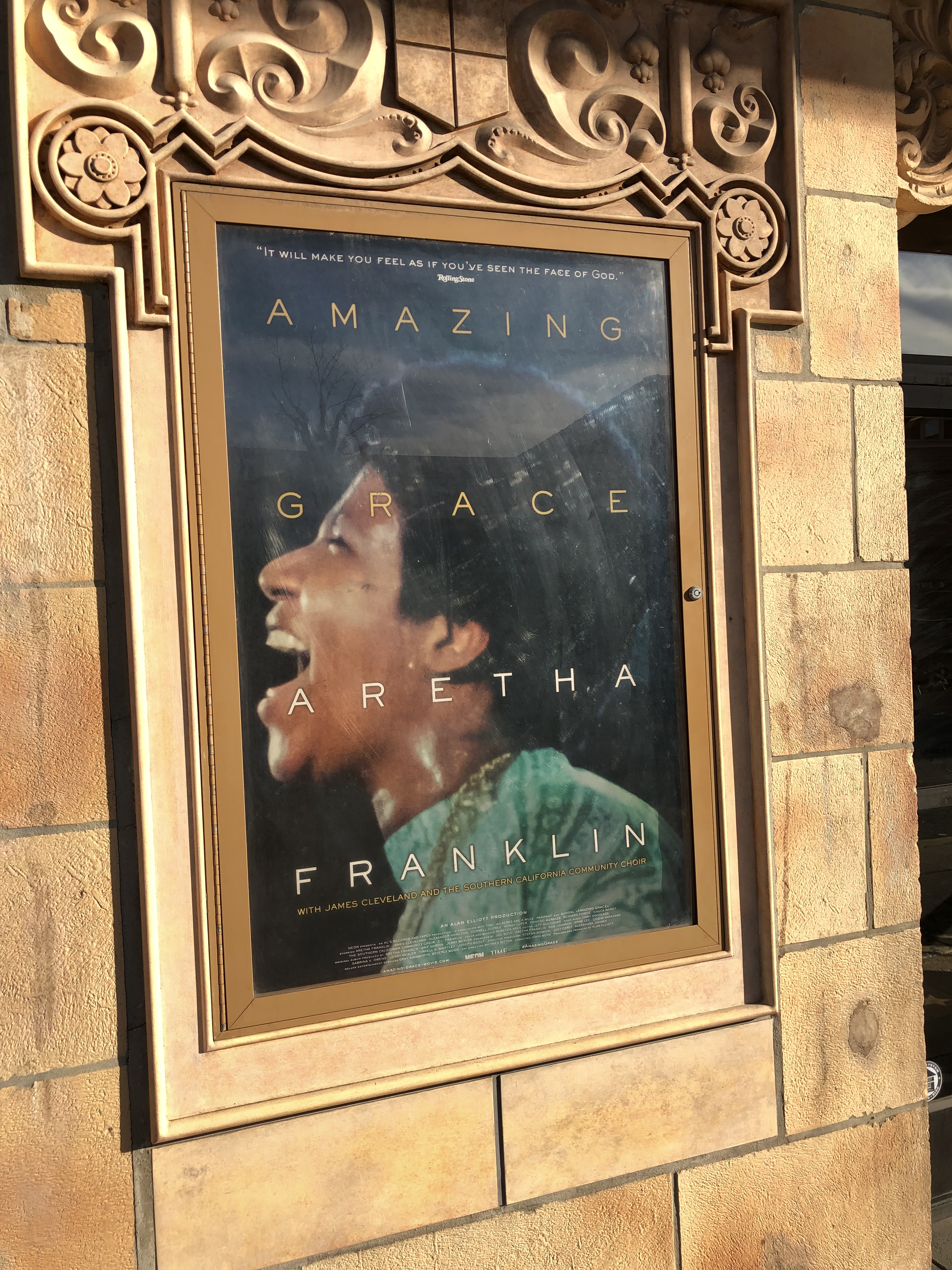
And so, in late afternoon my wife Sandy and I went to the nearby Ambler Theater to see Amazing Grace, a documentary about the making of an Aretha Franklin gospel album in 1972. The album was recorded in a Los Angeles Baptist church, its pews filled with music lovers (the faithful and non-faithful alike), and the performances and behind-the-scenes moments were faithfully filmed. The movie was intended for release, but for various reasons sat on a shelf for lo these many years. Clap your hands, sisters and brothers, rejoicing in the undeniable truth that Amazing Grace has seen the light of day! It’s great.

Chalk another one up for following the call of the new.

And at Deterra, a good restaurant across the street from the movie house, without consciously realizing what I was doing I searched the menu for clever dishes that I hadn’t previously encountered anywhere. And I found them. Potato gnocchi, with mushrooms and fava beans and a froth of parmesan cheese, brought a big smile to my face. So did pappardelle (wide pasta noodles) served with sautéed shrimp and pesto sauce. Yowza, yowza, yowza!

The next day is when it dawned on me that what I’d done on April 20th is what I’ve been doing for as long as I can remember: I hear the call of the new and I move on it. Not obsessively. Not even every day. But regularly. Acting like this is to a large extent who I am. Partly I follow this path to keep boredom away from my door. But it’s far more than that. I seek new experiences because many of them turn out to be enlightening and inspiring. I wouldn’t want to live any other way.

And the pattern is nothing more than one that began in my early years. The world is new and intriguing to little kids, after all. They want to know. They want to explore. “What’s this? What’s that? Look at this! Look at that!” is their mantra, their engines’ fuel.

It all boils down to curiosity. Humans are born curious. And we retain our curiosity, though some far more than others. Hell, does anybody want to sit around day after day doing the same old, same old? I don’t think so. We like to shake things up, at least a little, and add interesting spices to the stew. We can’t help ourselves. I mean, where would we be without curiosity? Stalled, man, stalled, in the pre-civilization eras.

And, come to think of it, that would be okay. Sure, our fair species’ prodigious achievements over the last 10,000 or so years have resulted, in part anyway, from the curiosity genes populating our cells. That’s because curiosity is one of the mothers of invention. But in the process, Planet Earth has been brought to its knees since the start of the Industrial Revolution. Carbon dioxide emissions, depletion of resources and pollution of the waters have done an excellent job of that. Oy vey, to say the least!

Hey, this essay has taken a turn that I wasn’t expecting. Writing can be funny that way. Seeing that I ain’t in the mood for bumming myself out, I’m now going to remove my digits from the keyboard. It’s a bright, sunny morning as I type this paragraph. My lawn needs mowing, and I hear its call.

(Please don’t be shy about adding your comments or about sharing this article. I thank you.)

To The Moon And Beyond!?

It was appropriate that my pal Mike and I, with my wife Sandy, recently went together to a cinema in the Philadelphia suburbs to see the excellent documentary Apollo 11. I mean, a few months short of 50 years ago Mike and I took a road trip through parts of New England and Canada soon after our college graduations, a trip during which the Apollo 11 mission was very much on our minds and before our eyes.

Mike suggested the journey to me in Roslyn, the Long Island town where we grew up and still lived (Long Island is near New York City). There, in a pizzeria, we bumped into each other after being out of touch during our college days. “Sure, let’s do it,” I said, because, clueless and planless when it came to life’s bigger pictures, there was nothing on my agenda, socially or work-wise, to interfere.

And so, a couple of weeks later off we went in Mike’s bright red Ford Mustang convertible. We had a blast, happily taking in the gorgeous landscapes and seascapes that we encountered. And, as the Mustang racked up the miles, time after time we sang along to Bad Moon Rising, The Israelite, and Spinning Wheel, songs that were glued into heavy rotation on radio stations everywhere that summer.

When July 16, 1969 arrived, somewhere in the province of Quebec we watched Apollo 11 begin its journey. Five days later, at another Quebec location that’s faded from memory, we, along with just about everyone else in the world, saw Neil Armstrong and, some minutes later, Edwin “Buzz” Aldrin step out of their lunar module, becoming the first homo sapiens to set foot on the lunar surface. While they did their thing, Michael Collins remained in orbit around the Moon in a command module, awaiting his mates’ return.

Yeah, it’s pretty cool that, half a century later, those two former Long Island boys live a mere 15 miles apart from one another in the Philadelphia burbs, are still tight, and in one another’s company got to think about and talk about their glorious Moon-enhanced road trip from the distant past.

Apollo 11 isn’t your typical documentary. There are no reminiscences by Aldrin and Collins, the mission’s surviving astronauts, nor commentary by other talking heads. What we have here, aside from a few newly-made graphics that demonstrate some of the expedition’s technical aspects, are video and film clips and photographs shot during the mission’s duration by earthbound NASA camera operators (NASA is the American space agency), by cameras attached to the command module and to the lunar module, and by the astronauts themselves. And there’s earlier footage, from 1962, of a speech by John F. Kennedy in which he explains why he thinks that the USA must, and will, go to the Moon.

Todd Douglas Miller, the film’s editor and director, did a hell of a job selecting and piecing together the oceanic amount of material at his disposal. Want to feel as though you’re climbing aboard a rocket, then blasting off, and then cruising along on your way to our cousin in the sky? Not to mention inching around gingerly on the Moon’s granular top layer? Right, who doesn’t? Which is why catching Apollo 11 is a good idea.

Lunar module returning from the Moon to command module.
Photo credit: NASA

I thought that one sequence alone was worth the price of admission. The footage, filmed from the command module, shows the lunar module on its way back from the Moon. The LM’s aim was to dock with the command module which, after jettisoning the LM, would transport the three space travelers the rest of the way back home. A softie, watching the Armstrong-and-Aldrin-inhabited craft draw nearer and nearer to Collins’ vehicle made me go limp with wonder. With the stark and stoic Moon as its backdrop, those hard-to-believe images are more dramatic and beautiful than any ever created for a sci-fi flick.

In all, six space missions placed men on the Moon, the last one in 1972. After a while, I think that people became kind of blasé about them though. Lunar overkill, if you will. Still, the accomplishments were undeniably remarkable. But were they necessary? I lean toward the nay side on that. We’re an inquisitive species, and our brains are big, so we always need to push the envelope, investigating and exploring our asses off. It’s what we do and always have done. Hey, it’s human nature.

And I guess that’s fine where Planet Earth is concerned. But is there really any point to traipsing around elsewhere? Hell, it’s not as if we learned the secrets of the universe by going to the Moon. And we sure as shit won’t learn them by visiting or establishing colonies on Mars, goals that are on the drawing boards for several nations and at least one private company. What’s more, people are people. Meaning, we’re highly emotional creatures with more than our share of less-than-stellar instincts. If Mars were colonized by earthlings, it wouldn’t take long before frustrations, hurt feelings and greediness morphed into feuds and armed conflicts (“Hasta la vista, motherf*cker!” I can hear one good ol’ boy saying to another, 100 years from now. “There ain’t enough room on this miserable red planet for the two of us. Which of these roomy craters do you want to be buried in?”). Can there be any doubt?

None of which is to say that I’m not an admirer of the heavens near and far. I am, and in a pretty big way. I love sitting outside on a clear night, staring up at the Moon, the stars, the planets. A little while ago, taking a break from writing this story, I grabbed a look at the night sky (it’s 10:30 PM on March 27 as I type. Publication date remains up in the air, however). It was magnificent. But, wouldn’t you know? The Moon wasn’t in sight. A tad of googling revealed that it won’t rise till almost 2 AM, by which time I’ll have been snoring away for over an hour. As usual, the universe didn’t consult with me when drawing up its schedule.

(Please don’t be shy about adding your comments or about sharing this story. Gracias.)

The Best Movie Of 2018 Is . . .

I speak nothing but the truth when I say that I’ve never paid much attention to the Golden Globe Awards, which are honors bestowed upon the film and television industries. (I’m not anti-awards shows, by the way, being a lifelong Oscars devotee.) However, two news flashes are in order in regard to that opening sentence: 1) Hardly anybody gives a shit about what I do or don’t pay attention to, which is entirely as it should be. 2) Many millions of people pay a good deal of attention to the Golden Globe Awards, which may or may not be as it should be.

Recently, though, for the first time ever I did spend a few minutes looking online at the nominees and winners from the Golden Globes event held on January 6. That’s because I was curious about how much overlap there would be between my choices for 2018’s best flicks and the choices of the folks who vote for the GGs.

There wasn’t a ton of overlap. The Globes nominated 20 films (five nominees in each of four categories: drama; musical or comedy; animated; foreign language). I saw only six of them, of which I thought highly of three (A Star Is Born; BlacKkKlansman; Isle Of Dogs). And as for the winners, I caught but one: Green Book, good but not special in my estimation, won in the musical or comedy division, though in my view it isn’t a member of either of those genres. It’s a drama with light comedic brushstrokes. Whatever.

Also bringing home the bacon at the GGs were Bohemian Rhapsody (drama), Spider-Man: Into The Spider-Verse (animated), and Roma (foreign language). I have a feeling that I’m going to love Roma when I see it. As for the latest Spidey affair, there’s almost zero chance that I’ll fit it into my schedule during my remaining time on Planet Earth. Bohemian Rhapsody, though, definitely is on my radar screen.

So much for the Golden Globe Awards, then. The time now has arrived for me to pen some thoughts about my nominees for best picture and about why my winner from that pool captured the top spot. Caveat: Even though I’ve seen a lot of movies — 32 — that were released in the USA during 2018, there’s no question that numerous good ones didn’t pass before my eyes. But you can’t see everything. Away we go.

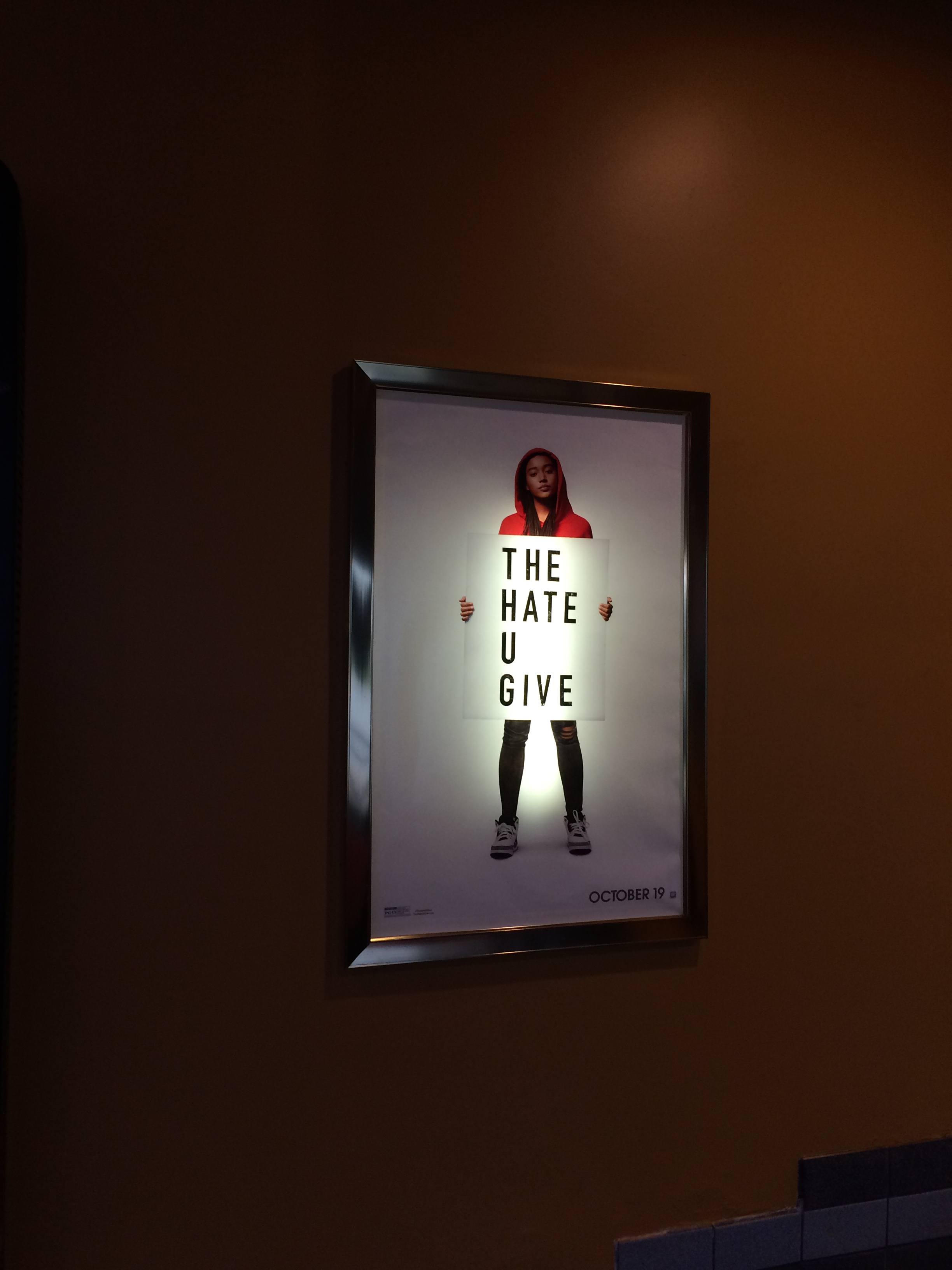
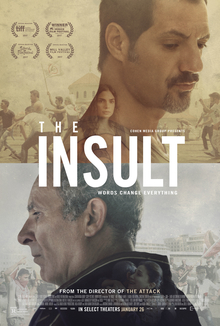
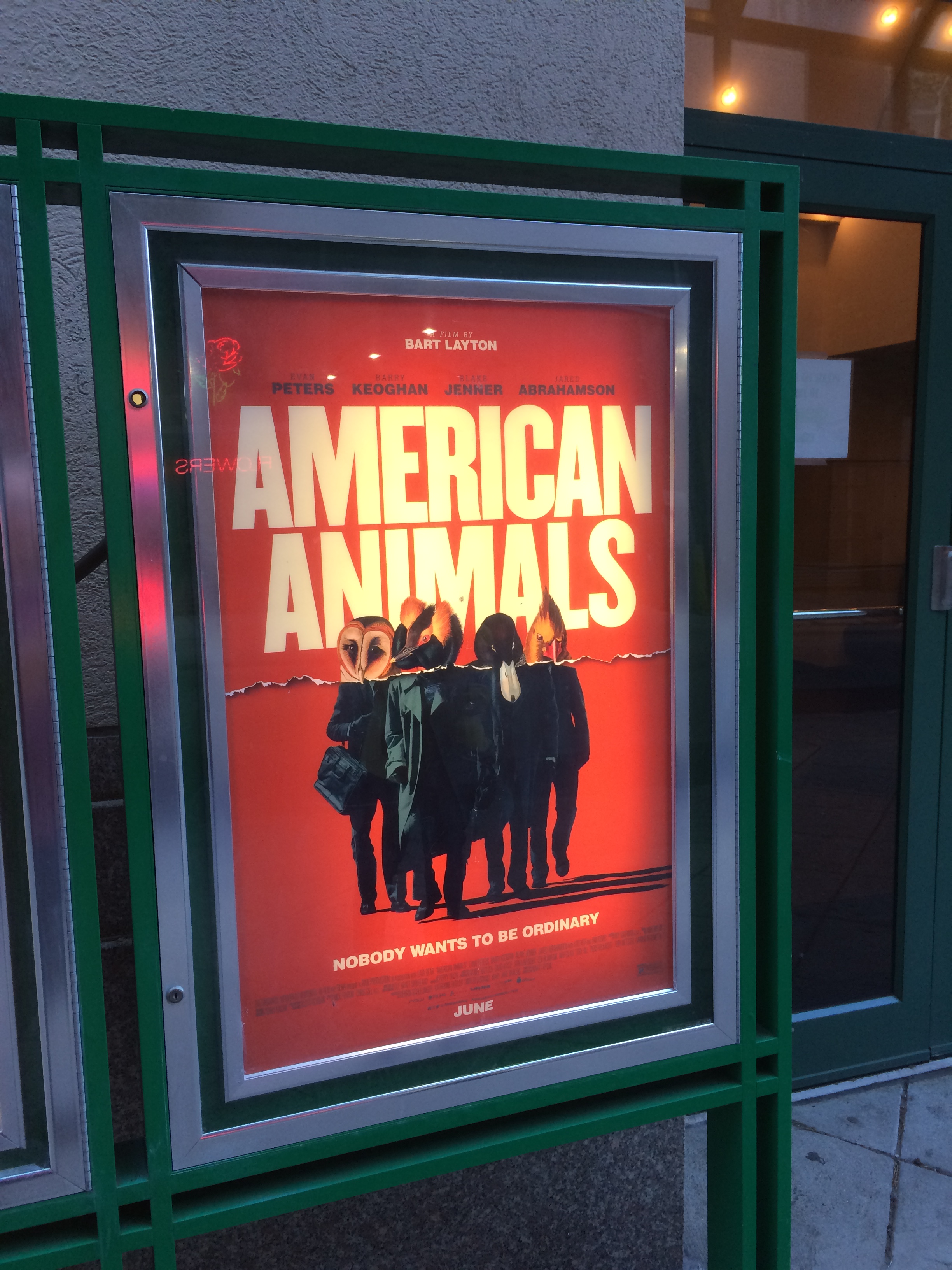
Of the 32, a few, such as The Death Of Stalin and On Chesil Beach, stunk up the joint mightily, in my modest opinion. But most of the others were enjoyable, some remarkably so. And a small group were not only highly enjoyable but thought-provoking and poignant too. It’s those three characteristics that elevate them into my Best Films Of 2018 category. Here they are: The Hate U Give; The Insult; American Animals; BlacKkKlansman; The Rider; Leave No Trace. Three others (Eighth Grade; First Man; Can You Ever Forgive Me?) came awfully close to making my list, but six is more than enough for me to deal with.

That sextet is a very fine group. I mean, these are thoughtful, carefully-crafted movies. The Insult, filmed in Lebanon and subtitled, peers at the societal and familial ramifications brought about by two men’s stubbornness and unchecked emotions. BlacKkKlansman and The Hate U Give throw American racism right smack into your face. American Animals, about which I’ve previously written (click here), is a depiction of screwy, exciting people on a crazy quest. Their quest kept me nervous as hell.

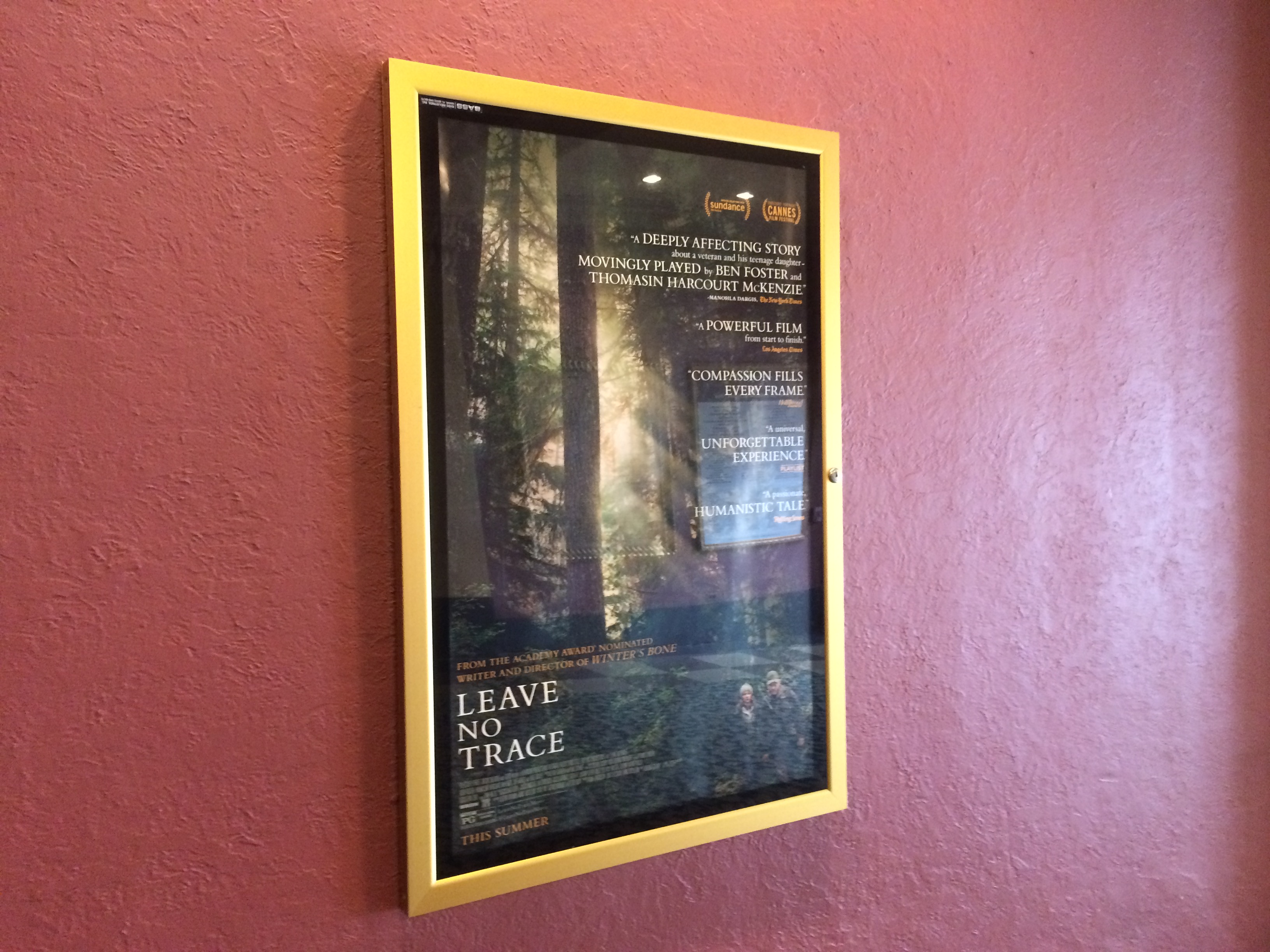
The final two flicks, unlike the four just mentioned, are enveloped with calmer vibes. A quiet, contemporary tale set among Native American cowboys, The Rider matter-of-factly and movingly presents tragedy and love in equal measures. And what about Leave No Trace (click here to read my earlier comments about it), in which a father and his teenage daughter, living off the grid, eventually have to decide how far into society they will venture? Well, among other things, it absolutely broke my heart.

When I began tossing around ideas for this article, I thought it would be difficult for me to select a winner. Turns out it wasn’t. Only one of the nominees has popped into my mind semi-regularly since I watched it. And although each of the six got to me in one or more meaningful ways, the depth to which Leave No Trace penetrated leaves no doubt that crowning any other movie would be oh so wrong. Leave No Trace, I bow before your powers.

At the start of Leave No Trace, directed and co-written by Debra Granik (who notched those same credits for 2010’s excellent Winter’s Bone), dad Will (played by Ben Foster) and daughter Tom (played by Thomasin Harcourt McKenzie) are doing their best to keep away from organized society. They live in a makeshift campsite deep within an Oregon public forest, where they forage and hunt. Will, an emotionally and psychologically damaged war vet (he probably served in Iraq and/or Afghanistan, though we never find out), has chosen this life for them. But he’s not a hopeless case, not when it comes to Tom, who is the apple of his eye and for whom he’d do just about anything. And Tom’s feelings for her father are as deep as his are for her.

As might be expected, though, time and the legal and social welfare systems catch up with the duo. After evaluations by social workers, Will and Tom are placed into a soft corner of the real world. The second half of the movie is an elegant laying out of their responses to their new circumstances. The movie’s end, sad and profound, yet life-affirming in a sense, just might break your heart as much as it did mine.

Okay, I’m about to bid you adieu, but first I have to state the obvious. Namely, it’s as clear as a bright, sunny day that no one movie is the best of 2018, or of any year. Everyone has their own opinions. The Golden Globes picked their 2018 winners, and I’ve picked Leave No Trace. I’d be very interested to know which films, from 2018, you think stand out from the rest, or any other thoughts you have about movies. So, please don’t be shy about adding your comments. Gracias. Goodbye till next time!